La tua Soundboard
 Home
Home Nuovi
Nuovi Topics
 Di tendenza
 Più popolare
 Video
Video Anime e Manga
 Giochi
 Meme
Meme Film
Film Musica
 Politica
 Scherzi
 Reazioni
 Effetti sonori
 Sport
Sport Televisione
 Tendenze TikTok
 Virale
 Audio di WhatsApp
 Termini di utilizzo
 Informativa sulla privacy
 Politica sul copyright DMCA
 Contattaci
 Chi siamo
Beyond the Beat: Unpacking the Psychology of Viral Audio
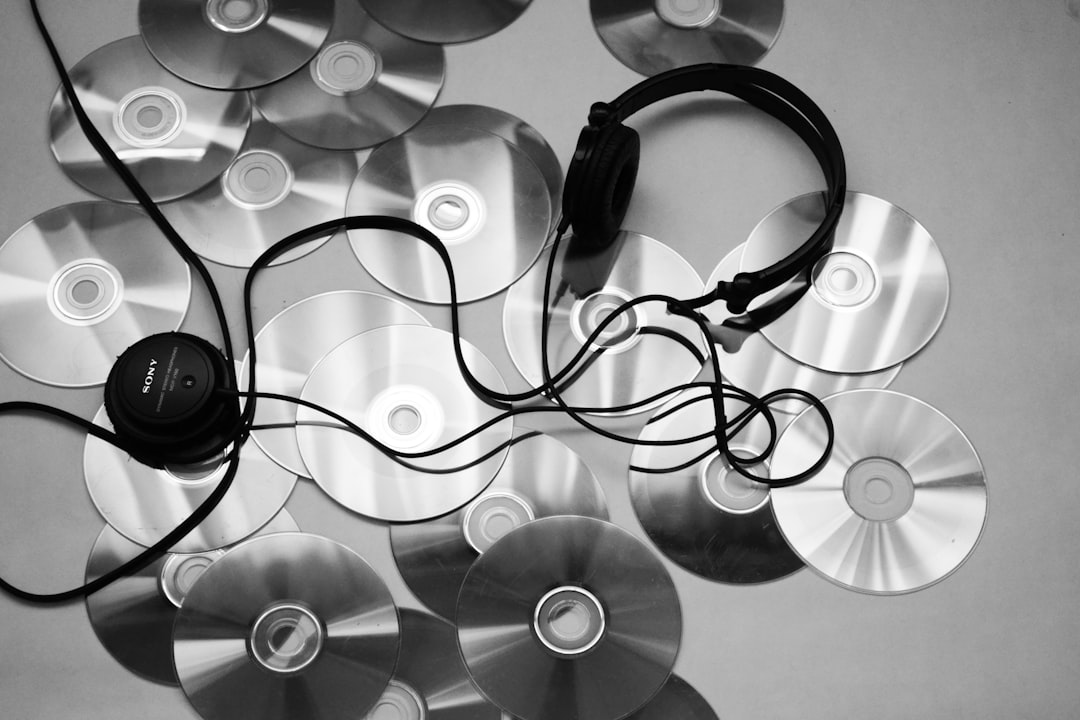
Explore how diverse sounds, from nostalgic tunes to gaming effects, tap into audience psychology, driving engagement and shaping digital trends.
In the fast-paced world of digital content, a soundbite can be more than just an audio clip; it's a psychological trigger, a cultural shorthand, and a powerful tool for engagement. As senior digital media strategists, we understand that viral audio isn't accidental—it's often a blend of nostalgia, relatability, and algorithmic resonance. This article delves into the diverse world of viral sounds, examining how everything from classic song snippets to iconic gaming effects captures attention and influences audience behavior. We'll uncover the underlying psychology that makes these sounds stick, providing creators with the insights needed to craft content that not only trends but also deeply connects with viewers. Prepare to master the art of auditory persuasion.
About this sound
The iconic chorus from Haddaway's "What Is Love" has transcended its 90s dance anthem status to become a timeless meme sound, instantly recognizable for its nostalgic appeal and comedic versatility. Its resurgence in digital culture is a testament to the power of retro sounds to evoke shared memories and create ironic humor. This sound often accompanies head-bobbing animations or dramatic reveals, much like the enduring popularity of the Coffin Dance Meme or the classic Shooting Stars meme. It's a sound that effortlessly bridges generational gaps through its infectious rhythm and memorable lyrics.
Creators utilize "Whats Love Baby Don't Hurt Me" to inject a dose of playful nostalgia, set a comedic tone, or punctuate moments of dramatic irony. Its upbeat tempo often contrasts humorously with visual content, creating an unexpected comedic effect. On platforms like TikTok and Reels, it's a go-to for dance challenges, transformation videos, or any content aiming for a lighthearted, engaging vibe. Its ability to instantly uplift a scene is similar to the cheerful energy of the Happy Happy Happy sound or the celebratory feel of the Victory Fanfare. It's a sound that promises fun and delivers on engagement.
- Create a nostalgic dance challenge.
- Punctuate a comedic transformation video.
- Add ironic humor to a dramatic situation.
- Use as background music for a lighthearted montage.
A: Its strong nostalgic appeal, infectious beat, and versatility for comedic and ironic uses keep it relevant.
A: Combine it with modern visual trends or ironic twists to introduce its retro charm in a fresh, relatable way.
A: It's best for lighthearted, comedic, or nostalgic content. Avoid in serious or somber contexts unless used for very specific ironic effect.
About this sound
The "I like turtles troll" sound originates from a classic viral video featuring a young boy's unexpected and endearing declaration during a news interview. This soundbite became an instant internet sensation due to its innocent absurdity and the sheer unexpectedness of the response. It embodies a type of wholesome, yet slightly off-kilter, humor that resonates deeply within meme culture. Its enduring charm is akin to other unexpectedly viral phrases like Yeet or the simple yet effective Oof sound, proving that genuine, unscripted moments often make the best memes.
Digital creators deploy "I like turtles troll" to introduce a moment of innocent confusion, a non-sequitur, or to playfully troll their audience with an unexpected answer. It's particularly effective in content where a sudden shift in tone or a moment of charming awkwardness is desired. This sound can disarm viewers with its unexpected sweetness, making it a unique tool for comedic timing. Its impact is similar to using the Awkward Cricket sound for uncomfortable silences or the Confused Screaming sound for a moment of bewildered humor, but with a distinctly wholesome twist. It's a sound that brings a smile through its pure, unadulterated charm.
- Respond to a serious question with a non-sequitur.
- Introduce a quirky or innocent character.
- Create a moment of charming awkwardness.
- Playfully troll viewers with an unexpected answer.
A: It comes from a viral news interview where a child unexpectedly declared "I like turtles."
A: By using it to create unexpected, innocent, or slightly awkward comedic moments, often as a non-sequitur.
A: Yes, its wholesome and innocent nature makes it suitable for a very broad audience, including family-friendly content.
About this sound
The "super mario 64 twomp" sound effect, instantly recognizable from the classic Nintendo 64 game, evokes a powerful sense of nostalgia for gamers and a clear auditory cue for impact or sudden descent. The sound of the Thwomp character crashing down has become a universal shorthand for heavy impact, surprise, or even comedic failure. Its enduring appeal in meme culture is comparable to other iconic gaming sounds like the Zelda Item Get fanfare or the Mario Coin sound, instantly transporting listeners back to their gaming roots and signaling a specific, universally understood event.
Digital creators frequently employ the "super mario 64 twomp" sound to punctuate moments of sudden impact, comedic drops, or to emphasize a heavy, decisive action. It's particularly effective in short-form videos where visual gags benefit from a strong auditory reinforcement. Whether it's a character falling, an object dropping, or a metaphorical "thwomp" of realization, this sound adds a layer of playful, yet impactful, emphasis. Its usage is similar to how the Bonk Sound Effect delivers a quick, sharp hit or how the Fail Sound signals a comedic mishap, but with a distinct, weighty resonance. It's a sound that delivers a satisfying auditory punch.
- Punctuate a character's heavy landing.
- Emphasize an object dropping with force.
- Add comedic impact to a sudden fall.
- Use in gaming montages for impactful moments.
A: It comes from the Nintendo 64 game Super Mario 64, specifically the sound made by the Thwomp enemies.
A: It provides strong auditory reinforcement for impacts, drops, or heavy actions, making visual gags more effective.
A: While originating from gaming, its universal association with impact makes it versatile for any content needing a strong, sudden auditory cue.
About this sound
The "I’m on that good KUSH" soundbite, often accompanied by the full phrase "I’m on that good KUSH and ALCOHOL," became a viral sensation for its raw, unfiltered energy and its association with a carefree, slightly rebellious attitude. Originating from a memorable vocal sample, it quickly found its niche in content celebrating indulgence, humorously depicting altered states, or simply adding a bold, confident declaration. Its virality stems from its distinct vocal delivery and its ability to instantly convey a specific mood, much like the assertive tone of Let's Go or the confident swagger of Money Ain't a Thang. It's a sound that demands attention and makes a statement.
Creators utilize "I’m on that good KUSH" to inject a moment of audacious humor, to signify a relaxed or altered state, or to simply add a bold, memorable punchline to their content. It's particularly effective in short-form videos where a quick, impactful vocal snippet can define the entire comedic premise. This sound can be used ironically to contrast with mundane situations or genuinely to amplify a celebratory mood. Its application is similar to how the Snoop Dogg Smoke sound sets a chill vibe or how the Rick Ross Grunt adds a touch of confident flair, making it a versatile tool for expressing a range of bold emotions. It's a sound that adds an undeniable edge.
- Punctuate a humorous moment of indulgence.
- Add a confident, rebellious declaration to a scene.
- Use ironically to contrast with mundane activities.
- Emphasize a relaxed or carefree mood.
A: It comes from a viral vocal sample, often associated with the full phrase "I’m on that good KUSH and ALCOHOL."
A: By using it to exaggerate indulgence, create ironic contrasts, or deliver a bold, unexpected punchline.
A: Due to its explicit nature, it's best suited for mature audiences or content where such themes are contextually appropriate.
About this sound
The "Where is Jazzy Juice?" sound, often attributed to KingSammelot, became a viral meme through its distinctive vocal delivery and the inherent mystery of its question. This soundbite is a prime example of how a simple, seemingly innocuous phrase can capture the internet's imagination, leading to countless parodies and remixes. Its virality is rooted in its ability to create an immediate sense of intrigue and a shared cultural reference, much like the enigmatic question of Who Let the Dogs Out? or the urgent query of Are You Winning, Son?. It's a sound that invites participation and speculation.
Digital creators deploy "Where is Jazzy Juice?" to introduce a moment of comedic confusion, to playfully search for something or someone, or to simply add a quirky, memorable vocal tag to their content. It's particularly effective in short-form videos where a quick, engaging question can hook viewers and encourage interaction. This sound can be used to set up a punchline, to express genuine bewilderment, or to create a running gag within a series of videos. Its application is similar to how the What Are Those?! sound creates an instant comedic reaction or how the Confused Math Lady meme expresses bewilderment, making it a versatile tool for engaging audiences through curiosity and humor.
- Introduce a comedic search for an object.
- Punctuate a moment of playful confusion.
- Create a running gag in a video series.
- Use as a quirky vocal tag for content.
A: It's often attributed to KingSammelot and gained viral traction through its distinctive vocal delivery and mysterious question.
A: By creating intrigue, setting up comedic searches, or encouraging audience participation in solving the "mystery."
A: It's best for comedic, lighthearted, or interactive content where a sense of playful mystery or confusion is desired.