Your Soundboard
 Home
Home New
New Topics
 Trending
 Most popular
 Anime & Manga
 Games
Games Memes
Memes Movies
 Music
Music Politics
 Pranks
 Reactions
 Sound Effects
 Sports
 Television
 TikTok Trends
 Viral
Viral Whatsapp Audios
 Term Of Use
 Privacy Policy
 DMCA Copyright Policy
 Contact Us
 About Us
The Soundtrack of the Small Screen: TV Moments Turned Viral Audio
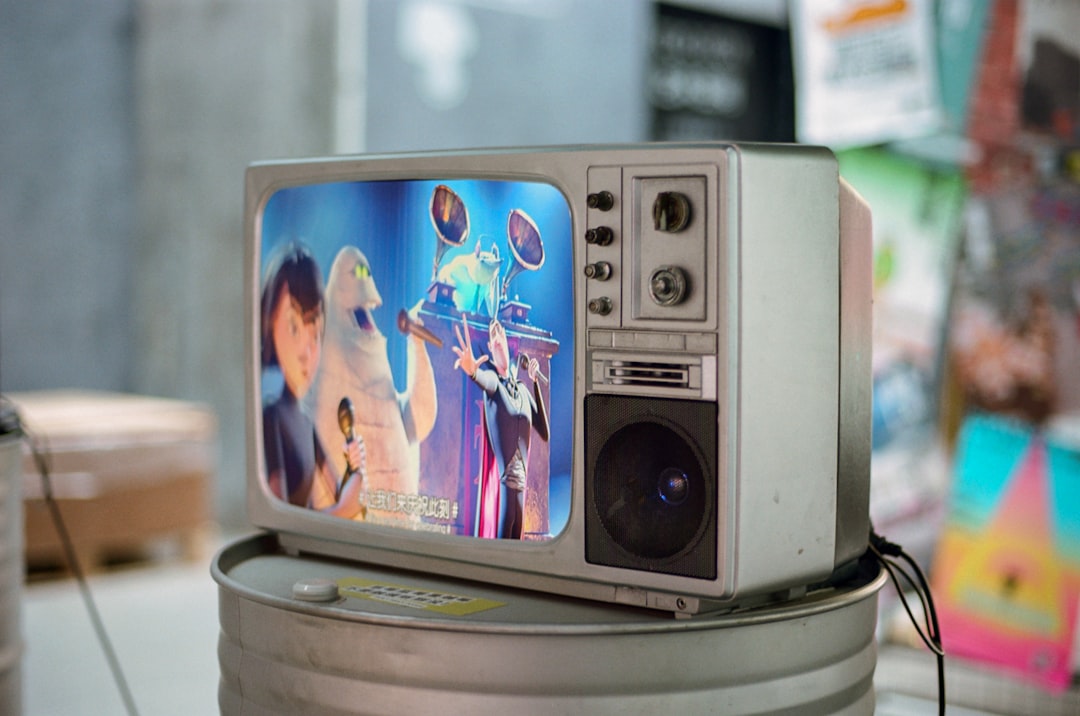
Discover how memorable television soundbites and jingles are repurposed into viral audio, shaping online humor and reactions.
Television has long been a wellspring of cultural touchstones, and in the digital age, its most memorable auditory moments find new life as viral meme sounds. From iconic character exclamations to distinctive jingles, these snippets are repurposed, remixed, and recontextualized across social media, becoming integral to online communication. This article explores five such sounds, tracing their journey from the small screen to global virality, and offers creators insights into harnessing their nostalgic and comedic power for algorithm-optimized content.
1. Larry David
About this sound
The "Larry David" sound refers to the iconic, often dissonant, musical cue that plays at moments of awkwardness, social faux pas, or ironic misfortune in the TV show "Curb Your Enthusiasm." Its origin is directly from the show's distinctive scoring, designed to punctuate Larry David's often cringe-worthy social interactions. The cultural context is deeply rooted in the show's brand of observational, uncomfortable humor, but its application has broadened to signify any moment of relatable awkwardness or a situation going subtly wrong. It went viral because of its immediate recognition and its ability to perfectly underscore moments of comedic discomfort, much like the subtle humor of a nice reaction or the dramatic build-up of Eminem - Wihoutme for an ironic twist.
Creators utilize the "Larry David" sound to punctuate moments of social awkwardness, ironic misfortune, or a situation taking an unexpected, slightly uncomfortable turn in their digital content. It's highly effective in short-form videos on platforms like TikTok and Reels, where its distinct musical cue can instantly set a tone of comedic discomfort. The sound is often used in reaction videos, to highlight relatable everyday fails, or to add a layer of self-aware, ironic humor to a situation. Its power lies in its immediate association with "Curb Your Enthusiasm's" unique comedic style, making content more sophisticated and subtly humorous. It's a go-to for creators wanting to add a touch of dry wit and a universally understood signal of "this is going badly, but it's funny," often contrasting with more chaotic sounds like Chicken screaming on a tree or the exaggerated Goofy laugh (very weird).
- For reaction videos to social faux pas.
- To punctuate a moment of ironic misfortune.
- In comedic skits highlighting awkward situations.
- To add a dry, witty commentary to a relatable fail.
A: It's the distinctive musical cue from "Curb Your Enthusiasm" that plays during awkward or unfortunate moments.
A: It's used to underscore moments of social awkwardness, ironic misfortune, or comedic discomfort.
A: No, its association with awkward humor is widely understood, even by those unfamiliar with "Curb Your Enthusiasm."
2. Janet bing
About this sound
The "Janet bing" sound is the distinctive, almost magical, chime that accompanies the appearance or summoning of Janet, the all-knowing artificial intelligence from the TV show "The Good Place." Its origin is directly from the show's sound design, crafted to signify Janet's unique, non-human presence. The cultural context is rooted in the show's clever blend of philosophy and comedy, but the sound itself has transcended its source to represent any sudden, almost miraculous, appearance or the arrival of crucial information. It went viral because of its pleasant yet impactful quality, making it perfect for comedic reveals or the sudden introduction of a helpful, albeit sometimes quirky, solution, often contrasting with the dramatic flair of Gojo 200% Hollow Purple/Hollow Nuke or the chaotic energy of Chicken screaming on a tree.
Creators utilize the "Janet bing" sound to punctuate moments of sudden appearance, the arrival of a solution, or a comedic reveal of crucial information in their digital content. It's highly effective in short-form videos on platforms like TikTok and Reels, where its distinct chime can instantly grab attention and signal a significant, often humorous, development. The sound is often used in reaction videos, to introduce a helpful tip, or to add a layer of whimsical, almost magical, intervention to a situation. Its power lies in its immediate association with a benevolent, all-knowing entity, making content feel more engaging and often leading to a satisfying resolution. It's a go-to for creators wanting to add a touch of cleverness and a universally understood signal of "help has arrived," often paired with a celebratory nice or a knowing nod, similar to the subtle humor of Larry David.
- For a sudden, helpful appearance in a skit.
- To punctuate the reveal of a clever solution.
- In reaction videos to unexpected assistance.
- To add a whimsical, magical touch to a transition.
A: Janet is an artificial intelligence who serves as a walking encyclopedia and assistant in the afterlife.
A: It's used to signify a sudden appearance, the arrival of a solution, or a helpful, often humorous, intervention.
A: While primarily lighthearted, its distinctness can be used for dramatic reveals in certain contexts.
3. alkis
About this sound
The "alkis" sound, which translates to "applause" in Turkish, is a generic yet highly versatile audio clip of an audience clapping. Its origin is universal, stemming from the common human expression of approval and celebration. The cultural context is broad, as applause is understood globally, but its specific viral usage often comes from its deployment in Turkish-speaking internet communities to punctuate moments of triumph, irony, or comedic exaggeration. It went viral because of its clear, celebratory nature and its ability to instantly convey approval or a sarcastic acknowledgment, making it perfect for comedic reveals or moments of mock triumph, often contrasting with the dramatic flair of Atangana or the serious tone of Мурат Абдилда.
Creators utilize the "alkis" sound to inject a moment of celebration, approval, or ironic acknowledgment into their digital content. It's highly effective in short-form videos on platforms like TikTok and Reels, where its clear, positive connotation can instantly resonate with viewers. The sound is often used to punctuate a successful outcome, a clever joke, or to sarcastically applaud a minor achievement or a humorous failure. Its power lies in its immediate communication of a collective reaction, making content feel more interactive and engaging. It's a go-to for creators wanting to add a touch of celebratory flair or a universally understood signal of "well done" (or "well... that happened"), often paired with a triumphant visual or a comedic slow-clap, similar to the subtle humor of Larry David or the playful mischief of HUE HUE HUE metal sonic plush.
- For celebrating a successful outcome in a video.
- To punctuate a clever joke or witty remark.
- For ironic applause after a humorous failure.
- To add a sense of audience reaction to a skit.
A: "Alkis" is Turkish for "applause."
A: It's used for celebration, approval, or ironic applause in response to various situations.
A: Yes, it's very commonly used ironically to highlight minor achievements or humorous failures.
4. Atangana
About this sound
The "Atangana" sound is a distinctive and energetic vocalization, famously associated with wrestling commentator Hugo Savinovich. Its origin is directly from his enthusiastic calls during wrestling matches, particularly when a dramatic or impactful move occurs. The cultural context is deeply rooted in the world of professional wrestling and its passionate fanbase, but the sound has transcended this niche to represent any moment of sudden, impactful action or a dramatic exclamation. It went viral because of its sheer energy and its ability to instantly elevate a moment to a grand, almost theatrical, scale, often used in conjunction with other dramatic sounds like Gojo 200% Hollow Purple/Hollow Nuke or the intense build-up of 3.2.1. Go.
Creators utilize the "Atangana" sound to inject a burst of dramatic energy, impactful exclamation, or a sense of heightened action into their digital content. It's highly effective in short-form videos on platforms like TikTok and Reels, where its distinct vocalization can instantly grab attention and signal a significant development. The sound is often used in gaming highlights, sports edits, or to punctuate a moment where something powerful or surprising occurs. Its power lies in its immediate association with high-stakes action and a dramatic reveal, making content feel more dynamic and exciting. It's a go-to for creators wanting to add a touch of theatrical flair and a universally understood signal of "wow, that just happened!" often contrasting with more subtle reactions like "Ehhh" Cute Anime Voice Sound Effect or the gentle chime of Janet bing.
- For dramatic wrestling or sports highlights.
- To punctuate a powerful impact in a video.
- In gaming montages after a decisive move.
- To add an energetic exclamation to a surprising event.
A: It's famously exclaimed by wrestling commentator Hugo Savinovich.
A: It signifies a dramatic impact, a powerful action, or an energetic exclamation of surprise.
A: Yes, it's often used ironically to exaggerate minor impacts or create humorous contrasts.
About this sound
The "Ну погоди заставка" (Nu Pogodi Zastavka) sound refers to the iconic opening theme music from the classic Soviet/Russian animated series "Nu, Pogodi!" (Well, Just You Wait!). Its origin is deeply embedded in the cultural memory of generations across Eastern Europe and beyond, serving as a nostalgic trigger for childhood and a simpler era of animation. The cultural context is rooted in the widespread popularity and enduring legacy of the cartoon, which features a wolf chasing a hare in a series of comedic escapades. It went viral because of its immediate recognition and its ability to evoke a sense of playful chase, mischievous intent, or nostalgic charm, often contrasting with more aggressive sounds like a Russian meme or the dramatic flair of Atangana.
Creators utilize the "Ну погоди заставка" sound to inject a moment of nostalgia, playful chase, or mischievous anticipation into their digital content. It's highly effective in short-form videos on platforms like TikTok and Reels, where its familiar melody can instantly resonate with a broad audience. The sound is often used in edits depicting a comedic pursuit, a playful rivalry, or to add a layer of retro charm to a modern scenario. Its power lies in its immediate association with a beloved cartoon and its ability to evoke a sense of lighthearted fun and timeless humor. It's a go-to for creators wanting to add a touch of cultural reference and a universally understood signal of "the chase is on!" often paired with fast-paced visuals or a comedic cat-and-mouse scenario, similar to the subtle humor of Larry David or the playful mischief of HUE HUE HUE metal sonic plush.
- For comedic chase scenes in skits.
- To introduce a playful rivalry between characters.
- As background music for nostalgic content.
- To add retro charm to modern meme edits.
A: It's a classic Soviet/Russian animated series featuring a wolf chasing a hare.
A: It's used to evoke nostalgia, signify a playful chase, or add mischievous anticipation.
A: It's particularly recognized in Eastern Europe but has gained broader appeal through internet culture and nostalgia.