Sua Soundboard
 Início
 Novos
Novos Topics
 Em alta
 Mais popular
 Anime e Mangá
 Jogos
Jogos Memes
Memes Filmes
 Música
 Política
 Pegadinhas
 Reações
 Efeitos sonoros
 Esportes
 Televisão
 Tendências do TikTok
 Viral
Viral Áudios do WhatsApp
 Termos de Uso
 Política de Privacidade
 Política de Direitos Autorais DMCA
 Fale Conosco
 Sobre nós
Global Echoes: Anime & International Sounds Dominating Feeds
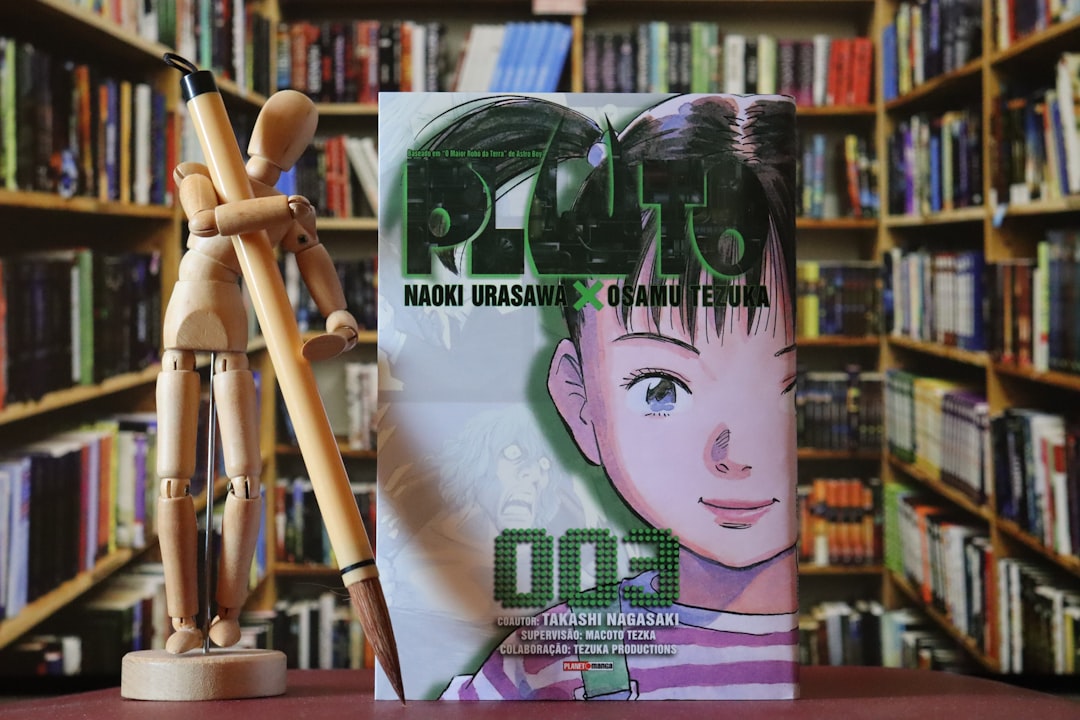
Unpack the cross-cultural appeal of anime voice lines and international meme sounds that capture attention across diverse digital landscapes.
The internet has flattened geographical boundaries, allowing sounds from diverse cultures and niche communities to achieve global virality. From the powerful incantations of anime characters to the rhythmic chants of international trends, these audio snippets resonate across languages and demographics. This article explores five such sounds, examining their cultural origins, their journey to viral status, and providing strategic advice for creators to leverage their unique appeal in algorithm-optimized content.
About this sound
The "Gojo 200% Hollow Purple/Hollow Nuke" sound is a powerful and iconic audio clip from the popular anime series, Jujutsu Kaisen. It features the dramatic incantation and subsequent explosive sound effect of Satoru Gojo's signature technique. Its origin is deeply embedded in the anime's narrative, representing a moment of immense power and spectacle. The cultural context extends beyond anime fandom, as the sound has become a shorthand for unleashing overwhelming force or a dramatic, impactful reveal. It went viral because of its inherent epic quality and its ability to instantly elevate any moment to a grand, destructive scale, often used in conjunction with other dramatic sounds like the Eminem - Wihoutme drop or the chaotic energy of a Russian meme.
Creators utilize the "Gojo 200% Hollow Purple/Hollow Nuke" sound to add a layer of epic drama, overwhelming power, or a climactic reveal to their digital content. It's highly effective in short-form videos on platforms like TikTok and Reels, where its intense build-up and explosive payoff can instantly grab attention. The sound is often used in gaming highlights, dramatic transformations, or to punctuate a moment where something incredibly powerful or destructive occurs. Its power lies in its immediate association with immense force and a definitive, impactful conclusion. It's a go-to for creators wanting to make a statement, ensuring their content leaves a lasting impression, often contrasting with more subtle reactions like "Ehhh" Cute Anime Voice Sound Effect or the playful chaos of Wao Que Huevo!.
- For epic gaming highlight reels.
- To punctuate a dramatic character transformation.
- In edits showcasing overwhelming power or destruction.
- As a climactic reveal in a comedic or serious video.
A: It's a powerful cursed technique used by Satoru Gojo, combining two opposing cursed energies.
A: It's used to signify overwhelming power, dramatic reveals, or impactful conclusions in various meme contexts.
A: Yes, it's often used ironically to exaggerate minor events or create a humorous contrast with mundane situations.
About this sound
The "Ehhh" Cute Anime Voice Sound Effect is a short, sweet, and slightly confused vocalization typical of many anime characters, particularly young female ones. Its origin is deeply rooted in the conventions of anime voice acting, designed to convey mild surprise, confusion, or a hesitant acknowledgment. The cultural context extends across anime fandom and into broader internet culture, where such sounds are recognized as shorthand for adorable bewilderment. It went viral because of its versatility in adding a touch of innocent charm or comedic uncertainty to various situations, often contrasting with more dramatic sounds like Gojo 200% Hollow Purple/Hollow Nuke or the boisterous Wao Que Huevo!.
Creators utilize the "Ehhh" Cute Anime Voice Sound Effect to inject a moment of adorable confusion, mild surprise, or hesitant acknowledgment into their digital content. It's highly effective in short-form videos on platforms like TikTok and Reels, where its gentle yet distinct quality can instantly add character. The sound is often used in reaction videos, to punctuate a moment of innocent misunderstanding, or to add a charming, slightly awkward pause. Its power lies in its ability to convey a nuanced emotion with brevity, making content more endearing and relatable. It's a go-to for creators wanting to add a touch of lightheartedness and charm, often contrasting with more intense or chaotic sounds like Зачаганск or the aggressive Russian meme, creating a diverse emotional palette for their narratives.
- For reaction videos expressing mild confusion.
- To punctuate a moment of innocent misunderstanding.
- In comedic skits for a charming, awkward pause.
- To add a cute, hesitant vocalization to a character.
A: It typically conveys mild surprise, confusion, hesitation, or adorable bewilderment.
A: While originating in anime, it's widely used in general meme culture for its versatile cute and confused tone.
A: Pair it with a subtle head tilt or a questioning facial expression in your visual content.
About this sound
The "Tung tung sahur" sound is a vibrant and rhythmic chant originating from Southeast Asian Ramadan traditions, specifically used to wake people for the pre-dawn meal (sahur). Its cultural context is deeply rooted in community and religious practice, but its infectious rhythm and unique vocalizations have propelled it into global meme culture. It went viral because of its catchy, repetitive nature and its ability to create a sense of rhythmic chaos or energetic anticipation. It's often used in brainrot memes for its looping quality, or to add an element of cultural flair to energetic edits, much like the unexpected burst of a Russian meme or the dramatic build-up of 3.2.1. Go.
Creators utilize the "Tung tung sahur" sound to inject a rhythmic, energetic, and often chaotic element into their digital content. It's highly effective in short-form videos on platforms like TikTok and Reels, where its repetitive nature can create hypnotic loops or build a sense of frenetic energy. The sound is often used in brainrot memes, for rhythmic transitions, or to add a unique cultural flavor to energetic montages. Its power lies in its infectious beat and its ability to instantly create a lively, engaging atmosphere. It's a go-to for creators wanting to add a distinct auditory texture and a sense of playful chaos, making their content stand out. It often appears in edits that embrace absurdity and rapid-fire cuts, sometimes contrasting with more straightforward reactions like nice or the focused intensity of a Valorant Kill Sound.
- For rhythmic transitions in fast-paced edits.
- In brainrot memes for its looping quality.
- To add cultural flair to energetic montages.
- As a background track for chaotic, humorous content.
A: It's a traditional Southeast Asian Ramadan chant used to wake people for the pre-dawn meal.
A: Its catchy rhythm and unique vocalizations led to its adoption in various online edits and brainrot memes.
A: Yes, focus on its rhythmic and energetic qualities for general meme use, avoiding misrepresentation of its cultural origin.
About this sound
The "eu não acredito não charlene" (I don't believe it, Charlene) sound is a highly expressive Portuguese phrase that has become a viral reaction meme. Its origin is likely from a candid, emotionally charged moment captured on video, where the speaker expresses disbelief and exasperation towards someone named Charlene. The cultural context is rooted in the universality of dramatic, relatable reactions to shocking or unbelievable events. It went viral because of its raw emotional delivery and its ability to perfectly punctuate moments of utter disbelief, making it ideal for comedic reveals or unexpected plot twists. It often appears alongside other dramatic reactions like the Зачаганск exclamation or the chaotic energy of a Russian meme, highlighting a spectrum of intense emotional responses.
Creators utilize the "eu não acredito não charlene" sound to inject a burst of dramatic disbelief, exasperation, or comedic shock into their digital content. It's highly effective in short-form videos on platforms like TikTok and Reels, where its clear emotional delivery can instantly grab attention. The sound is often used in reaction videos, to punctuate a moment of an unbelievable reveal, or to add a layer of exaggerated drama to a relatable situation. Its power lies in its immediate communication of a strong, relatable emotion, making content more engaging and shareable. It's a go-to for creators wanting to add a touch of dramatic flair and a universally understood sense of "I can't believe this!" often contrasting with more subtle reactions like "Ehhh" Cute Anime Voice Sound Effect or the playful chaos of Wao Que Huevo!.
- For reaction videos to unbelievable news.
- To punctuate a dramatic, unexpected plot twist.
- In comedic skits for an exaggerated expression of shock.
- To emphasize a moment of utter exasperation.
A: It's Portuguese for "I don't believe it, Charlene," used to express disbelief or exasperation.
A: No, its raw emotional delivery has given it broader appeal in global meme culture.
A: Pair it with a visual of someone looking utterly bewildered or a dramatic zoom-in on their face.
About this sound
The "Wao Que Huevo!" sound is a lively and enthusiastic Spanish exclamation, roughly translating to "Wow, what an egg!" or more colloquially, "Wow, what a nerve!" or "Wow, how bold!" Its origin is likely from a humorous or surprising moment captured on video, where the speaker reacts with genuine astonishment and a touch of playful admiration for someone's audacity. The cultural context is rooted in the expressive nature of Spanish-speaking internet communities and the joy of celebrating unexpected boldness. It went viral because of its energetic delivery and its ability to perfectly punctuate moments of surprising audacity or impressive, albeit sometimes cheeky, actions, often appearing alongside other expressive sounds like eu não acredito não charlene or the playful mischief of HUE HUE HUE metal sonic plush.
Creators utilize the "Wao Que Huevo!" sound to inject a burst of enthusiastic surprise, playful admiration, or comedic acknowledgment of audacity into their digital content. It's highly effective in short-form videos on platforms like TikTok and Reels, where its energetic vocalization can instantly grab attention. The sound is often used in reaction videos, to punctuate a moment of unexpected boldness, or to add a layer of lively humor to a situation where someone pulls off something impressive or cheeky. Its power lies in its immediate communication of a strong, positive, and slightly mischievous reaction, making content more engaging and shareable. It's a go-to for creators wanting to add a touch of vibrant personality and a universally understood sense of "You actually did that!" often contrasting with more subtle reactions like "Ehhh" Cute Anime Voice Sound Effect or the dramatic intensity of Gojo 200% Hollow Purple/Hollow Nuke.
- For reaction videos to audacious acts.
- To punctuate a moment of surprising boldness.
- In comedic skits for an enthusiastic acknowledgment.
- To add a lively, playful reaction to a cheeky stunt.
A: It's a Spanish exclamation meaning "Wow, what an egg!" or "Wow, how bold/audacious!"
A: It's used to express enthusiastic surprise, admiration for boldness, or a cheeky reaction to audacious acts.
A: Yes, it can be used ironically to react to a very minor or unimpressive act for comedic effect.