당신의 사운드보드
 홈
홈 새로운
새로운 Topics
 인기
인기 가장 인기 있는
 애니메 & 만화
 게임
게임 밈
밈 영화
영화 음악
음악 정치
정치 장난
장난 반응
반응 사운드 효과
 스포츠
스포츠 텔레비전
텔레비전 틱톡 트렌드
 바이럴
바이럴 WhatsApp 오디오
 이용 약관
이용 약관 개인정보 보호정책
 DMCA 저작권 정책
 문의하기
문의하기 회사 소개
회사 소개The Sonic Toolkit: Five Sounds to Define Your Digital Narrative
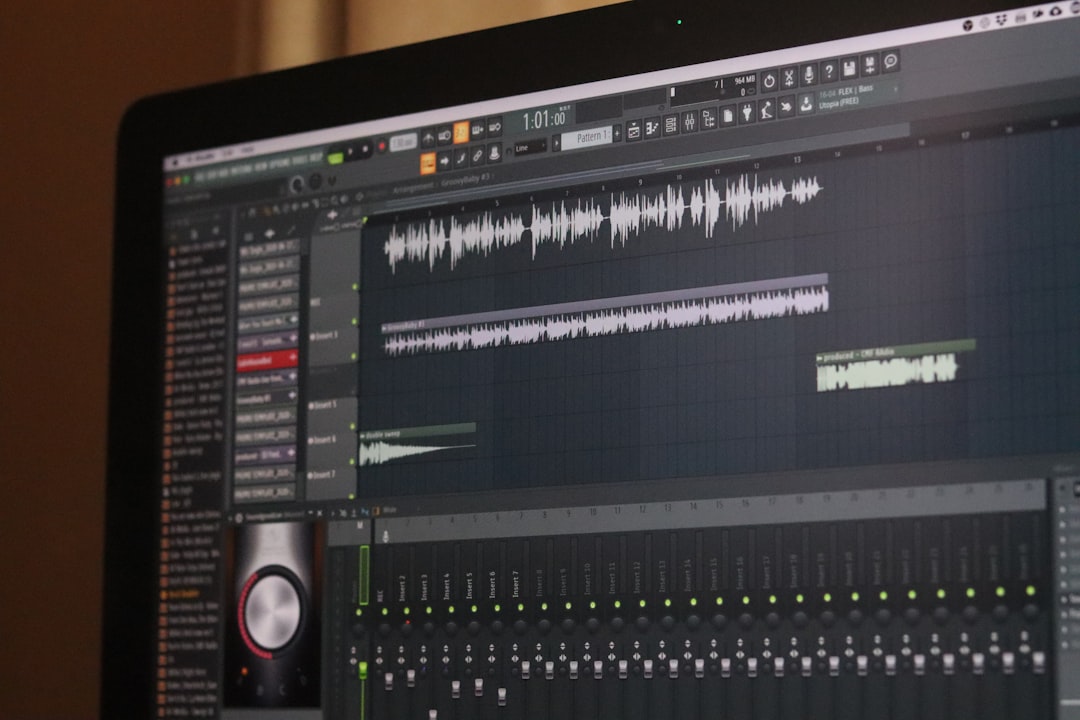
Explore five distinct meme sounds that offer unique narrative potential, from nostalgic alerts to chaotic vocalizations, shaping how creators tell stories online.
In the crowded digital landscape, sound is a creator's secret weapon. Beyond just background noise, carefully selected meme sounds can evoke nostalgia, amplify humor, or create instant recognition, defining your content's unique voice. This article delves into five diverse sounds that have carved out their own spaces in internet culture, offering insights into their psychological impact and practical applications for maximizing algorithmic reach. Learn how to wield these sonic tools to craft compelling narratives that resonate deeply with your audience.
About this sound
The "I just get so nervy funk" sound is a vibrant, rhythmic piece that often carries a sense of anticipation, slight unease, or a build-up to a dramatic moment, all wrapped in a funky, engaging beat. Its origin is typically found in electronic music or remixes that gain traction through TikTok and Reels, where its distinct groove makes it perfect for dynamic transitions or as a backdrop for energetic content. It's frequently used to signify a moment of heightened emotion or a playful struggle, much like the intense energy of Montagem HIKARI or the dramatic flair of yara phonk mi pan zu zu zu.
I just get so nervy funk is a powerful sound for creators looking to add a layer of dynamic tension or playful anxiety to their videos. Its driving beat and slightly apprehensive tone make it ideal for content involving challenges, suspenseful reveals, or comedic struggles. The sound's viral appeal lies in its ability to create an immediate emotional connection, drawing viewers into the narrative. From an algorithmic perspective, its engaging rhythm encourages longer watch times and re-plays, as users often enjoy the musicality alongside the visual content. It's a sound that keeps the audience on the edge of their seats, similar to how finn the human scream signals an abrupt, high-energy reaction.
- Soundtracking suspenseful comedic moments.
- Enhancing challenge or struggle videos.
- Creating dynamic transitions with a rhythmic pulse.
- Adding a playful, anxious undertone.
A: It's excellent for content that builds anticipation, features challenges, or portrays comedic struggles and energetic transitions.
A: Pair the sound with quick cuts, close-ups on expressions of mild panic or determination, and visual elements that convey a sense of urgency.
A: Absolutely! Its funky beat makes I just get so nervy funk a great choice for dance trends and rhythmic content, especially those with a slightly quirky or anxious theme.
About this sound
The "Escreve e apaga" sound, which translates from Portuguese to "write and erase," typically features a voice stating a phrase about writing and then erasing, often followed by a humorous or slightly provocative consequence. This sound gained immense popularity on TikTok, particularly in Brazil, for its relatable commentary on indecision, second thoughts, or the act of self-censorship in digital communication. It's a meta-commentary on online interaction, often used to highlight moments of regret or a change of heart, similar to the self-aware humor found with Ye le laude or the playful critique of SOLO GENTE QUE CULEE.
Escreve e apaga is a brilliant sound for creators who want to add a layer of self-aware humor and relatability to their content. It perfectly captures the digital age's common experience of drafting and deleting messages, making it highly resonant with audiences. Creators use it to highlight moments of hesitation, comedic backtracking, or to poke fun at overthinking. The viral success of Escreve e apaga on platforms like TikTok and Reels is a testament to its ability to tap into universal digital behaviors, driving high engagement rates as viewers see themselves in the content. It’s a sound that encourages interaction and shared understanding, much like the classic notification of ICQ - Uh Oh.
- Highlighting moments of indecision in texts.
- Adding humor to self-censorship scenarios.
- Reacting to awkward or regretted statements.
- Creating relatable content about online communication.
A: It humorously comments on the act of typing something out and then deleting it, often implying a change of mind or self-censorship.
A: While originating and gaining significant traction in Brazil, its relatable theme of online communication has allowed Escreve e apaga to spread globally within meme communities.
A: Timing is key. Use it when a character or text visually demonstrates the "write and erase" action, creating a perfect synergy between audio and visual.
3. ICQ - Uh Oh
About this sound
The iconic "ICQ - Uh Oh" sound is a potent blast from the past, instantly recognizable as the notification alert from the classic internet messenger service, ICQ. For many, it evokes deep nostalgia for early internet culture. In the modern meme landscape, this sound has been repurposed to signify a mistake, a sudden realization of error, or an awkward moment. Its distinct, almost cartoonish "uh oh" quality makes it perfect for comedic timing, often used to punctuate a digital mishap or a real-life blunder, much like the universal sign of trouble conveyed by CLAP BUTTON (when used ironically) or the sudden impact of Dandy’s World: Air Horn.
ICQ - Uh Oh is a powerful nostalgic trigger and a versatile comedic sound effect. Creators leverage its instant recognition to add a layer of retro charm or to signal a moment of impending doom or minor failure. Its effectiveness lies in its simplicity and its ability to convey a clear message: something has gone wrong, often comically so. From an algorithmic perspective, sounds with strong nostalgic ties like ICQ - Uh Oh tend to perform well, as they encourage comments and shares from viewers reminiscing about their own experiences. It's a sound that transcends generations, appealing to both those who remember ICQ and younger audiences who appreciate its inherent comedic value, similar to the timeless humor of HEHE MICHAEL JACKSON!!!!.
- Signaling a humorous mistake or error.
- Adding a nostalgic touch to tech-related content.
- Punctuation for awkward or embarrassing moments.
- Creating comedic anticipation of failure.
A: Its distinct, almost cartoonish sound instantly signals a mistake or awkward moment, and it carries a strong nostalgic value for many internet users.
A: While primarily comedic, ICQ - Uh Oh can be used ironically in serious content to highlight a critical error or a moment of dramatic realization, but use with caution.
A: Its instant recognition and comedic timing make viewers anticipate the punchline, encouraging them to watch through and often re-watch for the effect.
4. CLAP BUTTON
About this sound
The "CLAP BUTTON" sound is a straightforward yet incredibly versatile meme audio, typically featuring a distinct, often exaggerated clapping sound. Its origin is rooted in various sources, from literal applause sound effects to comedic skits where a "clap button" is pressed for emphasis. In meme culture, it's primarily used for ironic applause, sarcastic agreement, or to highlight a moment of obviousness or absurdity. It's a sound that can instantly shift the tone of a scene, adding a layer of dry humor or pointed commentary, much like the directness of N word spam loud version (though with entirely different connotations) or the abruptness of Jamaica stop.
CLAP BUTTON is a staple for creators who master the art of ironic humor. Its power lies in its ability to convey sarcasm or highlight the painfully obvious with a single, impactful sound. Creators frequently use it after a character makes a particularly foolish statement, or when a situation is so absurd it warrants an ironic round of applause. The viral success of CLAP BUTTON is driven by its universal understanding as a form of non-verbal commentary, making it highly shareable and effective in short-form content. From an algorithmic perspective, sounds that elicit a strong, immediate reaction, whether laughter or a knowing nod, tend to boost engagement and watch time, making it a valuable tool for creators, similar to the sharp, attention-grabbing quality of Dandy’s World: Air Horn.
- Adding ironic applause to foolish statements.
- Highlighting moments of extreme obviousness.
- Punctuation for sarcastic commentary.
- Creating comedic emphasis on absurd situations.
A: It's predominantly used for ironic applause, sarcastic commentary, or to highlight moments of obviousness or absurdity in a humorous way.
A: While possible, its meme context often implies irony. For genuine applause, a more traditional, less exaggerated sound effect might be more appropriate.
A: Its clear, direct message and comedic versatility make it highly engaging, often prompting viewers to react with laughter or agreement in the comments.
5. Jamaica stop
About this sound
The "Jamaica stop" sound is a short, abrupt vocalization that has gained significant traction in meme culture for its ability to halt a narrative or punctuate a moment of sudden realization or interruption. Its origin is often traced to specific viral videos where someone emphatically says "Jamaica, stop!" or a similar phrase, creating an instant comedic break. This sound is incredibly effective for creating a sense of comedic urgency, surprise, or to literally stop the flow of a scene for a humorous interjection. It functions similarly to other abrupt sounds like чего блять это че за хуйня or even the sudden notification of ICQ - Uh Oh, but with a distinct vocal flair.
Jamaica stop is a high-impact sound for creators who want to inject immediate comedic disruption into their content. Its abrupt nature is perfectly suited for short-form videos, where capturing attention quickly is paramount. Creators use it to halt a character's actions, interrupt a monologue, or signify a sudden, often humorous, change in direction. The viral appeal of Jamaica stop lies in its clear, decisive message and its ability to create an instant comedic beat. From an algorithmic perspective, sounds that create clear narrative breaks and unexpected twists tend to boost viewer retention and engagement, as they keep the audience guessing and entertained. It's a sound that demands attention and delivers a punch, much like the direct call-out of Ye le laude.
- Abruptly halting comedic narratives.
- Signaling a sudden, humorous interruption.
- Creating a sense of comedic urgency.
- Punctuation for unexpected plot twists.
A: Use it to abruptly cut off dialogue or action, creating a sudden, unexpected, and often hilarious narrative break.
A: The "Jamaica" part is often incidental to its viral origin; the key is the abrupt "stop" and the vocal delivery that makes it an effective comedic interjection.
A: Jamaica stop is excellent for controlling pacing, creating sudden shifts that keep the audience engaged and prevent monotony.