あなたのサウンドボード
 ホーム
ホーム 新着
新着 Topics
 トレンド
トレンド 最も人気
最も人気 アニメ・マンガ
 ゲーム
ゲーム ミーム
ミーム 映画
映画 音楽
音楽 政治
政治 いたずら
いたずら リアクション
 サウンドエフェクト
 スポーツ
スポーツ テレビ
テレビ TikTokトレンド
 バイラル
バイラル WhatsAppオーディオ
 利用規約
利用規約 プライバシーポリシー
 DMCA著作権ポリシー
 お問い合わせ
 私たちについて
Retro Resonance: How Classic Gaming Sounds Dominate Modern Memes
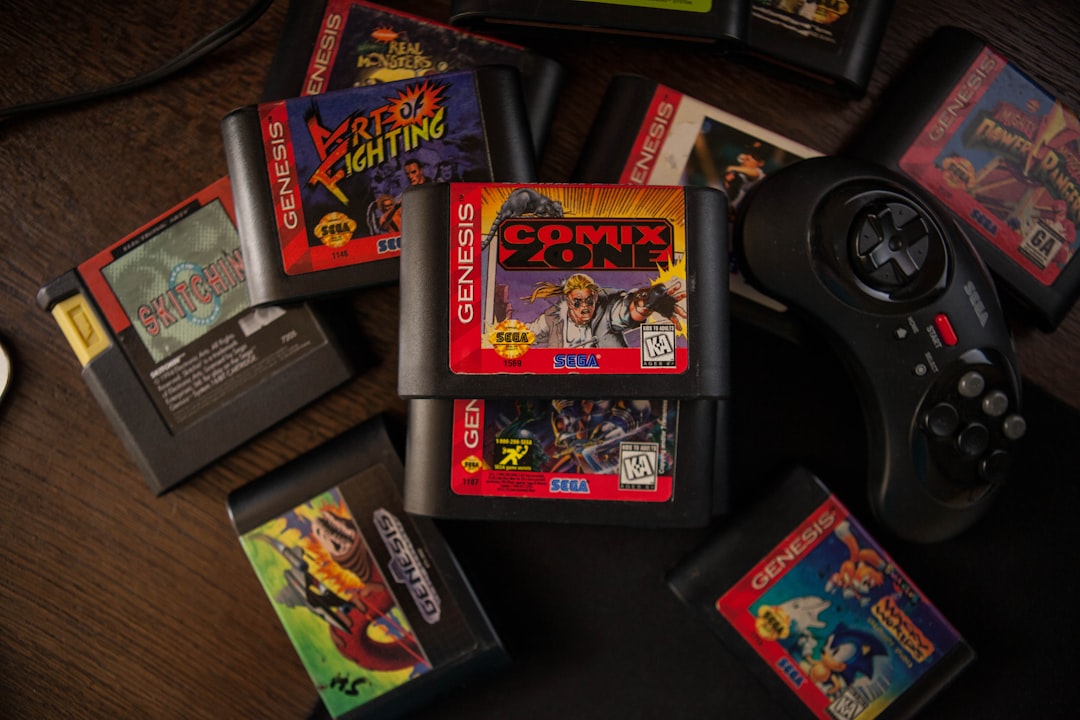
Explore the enduring appeal of vintage gaming sound effects in contemporary meme culture, analyzing how nostalgia and unique audio design drive their viral resurgence across digital platforms.
The digital landscape is a constant ebb and flow of trends, yet some sounds possess an evergreen quality that transcends generations. Among these are the iconic audio snippets from classic video games, which continue to find new life and viral fame in modern meme culture. This article delves into the phenomenon of "retro resonance," examining how nostalgia, combined with inherently effective sound design, propels these vintage gaming sounds into the contemporary spotlight. We'll analyze five distinct examples, exploring their origins, their surprising versatility in new contexts, and the psychological hooks that make them irresistible to digital creators and audiences alike. For strategists, understanding this enduring appeal is key to tapping into a rich vein of culturally significant and highly engaging content.
About this sound
The "AoE2 Taunt FR 20 - my granny" sound, translating to "Even my granny can do better!" from Age of Empires II, is a gem of comedic put-down. Its viral success stems from its universally understood sentiment of playful derision, delivered with a distinct French flair that adds to its charm. This taunt is a prime example of how game-specific audio, originally intended for in-game banter, can become a versatile meme for expressing mock disappointment or superiority. It stands out alongside other memorable Age of Empires II taunts like AOE2 EN Taunt 22 - Quit Touchin' Me!, and its direct, yet humorous, challenge makes it a favorite for creators looking to add a touch of playful arrogance or frustration to their content, much like the general air of playful exasperation found in Airhorn (Pod) when things don't go as planned.
Creators utilize "AoE2 Taunt FR 20 - my granny" to comically criticize poor performance, express mock disbelief, or playfully challenge others. Its clear, somewhat condescending tone, coupled with the nostalgic gaming origin, makes it highly effective in a variety of comedic scenarios. Imagine a creator showcasing a clumsy attempt at a task, followed by this taunt, perfectly encapsulating their self-deprecating humor. This sound thrives in gaming commentary, reaction videos, and skits where a character needs to deliver a humorous, yet cutting, remark. It's a powerful tool for driving engagement through relatable moments of frustration or playful competition, resonating with anyone who's ever felt someone could do better.
- Use to comically critique a bad play in a game or a failed attempt at a task.
- Integrate into reaction videos to express mock disappointment or disbelief.
- Employ in skits where a character is playfully challenging another's abilities.
- Layer over a visual of someone struggling with something simple for humorous effect.
A: It's a humorous taunt implying someone's performance is very poor.
A: No, its universal message of playful criticism makes it versatile for various comedic scenarios.
A: By pairing it with exaggerated visuals of failure or mock superiority.
About this sound
The "airhorn big and loud" sound is another powerful variant in the airhorn family, specifically designed to deliver a massive auditory punch. Its virality is rooted in its ability to create an immediate, undeniable impact, making it a go-to for creators who need to punctuate moments with extreme emphasis. This sound is a testament to the effectiveness of sheer volume and presence in meme culture, distinguishing it from a more subtle Airhorn (Pod). It's often used for comedic exaggeration, dramatic reveals, or to signal a significant event in a way that cannot be ignored, much like the abruptness of AOE2 EN Taunt 22 - Quit Touchin' Me!, ensuring maximum audience attention and engagement.
Creators strategically deploy "airhorn big and loud" to create sudden, overwhelming moments in their content. It's perfect for comedic jump scares, exaggerated reactions, or to mark a pivotal moment with an undeniable auditory exclamation. Imagine a quiet, tense scene suddenly erupting with the "airhorn big and loud," instantly breaking the tension and jolting the audience. This sound thrives in reaction videos, gaming streams, and comedic skits where an immediate and powerful auditory statement is required. Its strength lies in its ability to disrupt, surprise, and amplify, making it an indispensable tool for creators aiming for high-impact, attention-grabbing content that leaves a memorable impression on viewers.
- Use for comedic jump scares in reaction videos or horror parodies.
- Integrate to dramatically emphasize a surprising reveal or a plot twist.
- Employ in gaming content to celebrate an epic win or a clutch moment.
- Layer over a visual of something exploding or a sudden, chaotic event.
A: To create maximum auditory impact and grab immediate attention with significant volume.
A: Yes, its intensity means it's best used judiciously to avoid audience fatigue and maintain its punch.
A: Absolutely, its exaggerated volume makes it excellent for comedic emphasis and surprises.
About this sound
The "AOE2 EN Taunt 22 - Quit Touchin' Me!" is another iconic English taunt from Age of Empires II, known for its distinct, slightly exasperated delivery. Its viral appeal lies in its versatility to express annoyance, discomfort, or a playful demand for personal space, making it highly relatable in various comedic contexts. This sound is a classic example of how specific game audio can transcend its original purpose to become a meme, much like the French counterpart, AoE2 Taunt FR 20 - my granny. Its direct, yet humorous, plea for personal boundaries makes it a favorite for creators looking to add a touch of playful irritation or a demand for attention to their content, similar to the general sense of playful interruption found in airhorn big and loud.
Creators utilize "AOE2 EN Taunt 22 - Quit Touchin' Me!" to comically express annoyance, discomfort, or a demand to be left alone. Its short, punchy delivery makes it perfect for quick reaction videos or as a humorous interjection. Imagine a creator being bothered by something off-screen, and this sound plays, perfectly encapsulating their playful irritation. This sound thrives in gaming commentary, reaction videos, and skits where a character needs to assert their boundaries in a comically emphatic way. It's a powerful tool for driving engagement through relatable moments of personal space invasion or playful frustration, resonating with anyone who's ever wanted to tell someone to back off, but with a humorous twist.
- Use to comically react to an unwanted touch or invasion of personal space.
- Integrate into gaming montages to highlight moments of being harassed by opponents.
- Employ in reaction videos to express playful annoyance at a comment or action.
- Layer over a visual of someone trying to avoid an awkward social situation.
A: It's an English taunt from the classic real-time strategy game, Age of Empires II.
A: Absolutely, its universal message of wanting personal space makes it versatile for various comedic scenarios.
A: By pairing it with exaggerated visuals of discomfort or playful attempts to escape.
About this sound
The "Airhorn (Pod)" sound offers a slightly different flavor of the classic airhorn, often characterized by a more muffled or contained sound, as if emanating from a specific device or environment. Its virality lies in its ability to provide a familiar yet distinct auditory cue, often used for comedic emphasis in a slightly less aggressive manner than its louder counterparts. This sound is a testament to the subtle variations that can make a meme unique, distinguishing it from the raw power of "airhorn big and loud" or the rhythmic "Airhorn Beat." It's a versatile tool for creators looking to add a touch of playful disruption or a subtle, yet noticeable, punctuation to their content, often used to signal a moment of playful exasperation or a minor, yet significant, event.
Creators utilize "Airhorn (Pod)" to add a layer of playful disruption or a subtle, yet noticeable, comedic punctuation to their videos. Its slightly softer, more contained sound makes it suitable for scenarios where a full-blown, ear-splitting airhorn might be too much. Imagine a creator making a small mistake, and the "Airhorn (Pod)" plays, comically highlighting their minor error. This sound thrives in vlogs, casual commentary, and skits where a gentle, yet present, auditory cue is needed to enhance a comedic moment. It's a powerful tool for driving engagement through relatable moments of minor mishaps or playful self-deprecation, making viewers feel a shared sense of lightheartedness.
- Use to comically highlight a minor error or a small, relatable mishap.
- Integrate into vlogs or casual commentary to punctuate lighthearted moments.
- Employ in skits where a character makes a small, humorous blunder.
- Layer over a visual of something slightly going wrong for comedic effect.
A: It often has a slightly muffled or contained sound, making it less aggressive.
A: Yes, its less intense nature makes it suitable for more nuanced comedic punctuation.
A: Less so than louder airhorns, but it can still signal a minor, yet significant, event.
About this sound
The "AoE2 Taunt FR 39 - ally" is a French taunt from Age of Empires II, often used to signal an alliance or a call for assistance. Its viral appeal stems from its clear, almost urgent, tone, making it versatile for both literal and ironic applications in meme culture. This sound is a prime example of how functional game audio can gain new life as a meme, much like other Age of Empires II taunts such as AoE2 Taunt FR 20 - my granny. Its distinct delivery makes it a favorite for creators looking to add a touch of playful camaraderie or a humorous plea for help to their content, similar to the general sense of seeking assistance or connection found in the discord notification sound.
Creators utilize "AoE2 Taunt FR 39 - ally" to comically signal a need for help, propose an alliance, or simply acknowledge a friendly presence. Its clear, concise delivery makes it perfect for quick reaction videos or as a humorous interjection. Imagine a creator struggling with a task, and this sound plays, comically calling for backup. This sound thrives in gaming commentary, collaborative content, and skits where a character needs to express a need for assistance or acknowledge a partner in a comically emphatic way. It's a powerful tool for driving engagement through relatable moments of teamwork or playful cries for help, resonating with anyone who's ever needed a friend in a pinch.
- Use to comically call for help during a difficult task or challenge.
- Integrate into collaborative gaming content to signal teamwork or a joint effort.
- Employ in reaction videos to acknowledge a supportive comment or action.
- Layer over a visual of two people working together or a moment of shared struggle.
A: It's a call to an ally, often used to request assistance or acknowledge partnership.
A: Yes, it's often used to comically request help for trivial matters.
A: No, its universal message of seeking help or alliance makes it versatile for various comedic scenarios.