Papan Suara Anda
 Beranda
 Baru
Baru Topics
 Tren
Tren Paling populer
 Anime & Manga
 Permainan
 Meme
Meme Film
Film Musik
Musik Politik
 Lelucon
 Reaksi
 Efek suara
 Olahraga
 Televisi
 Tren TikTok
 Viral
Viral Audio WhatsApp
 Syarat Penggunaan
 Kebijakan Privasi
 Kebijakan Hak Cipta DMCA
 Hubungi Kami
 Tentang Kami
The Art of the Auditory Punchline: Crafting Viral Moments with Meme Sounds
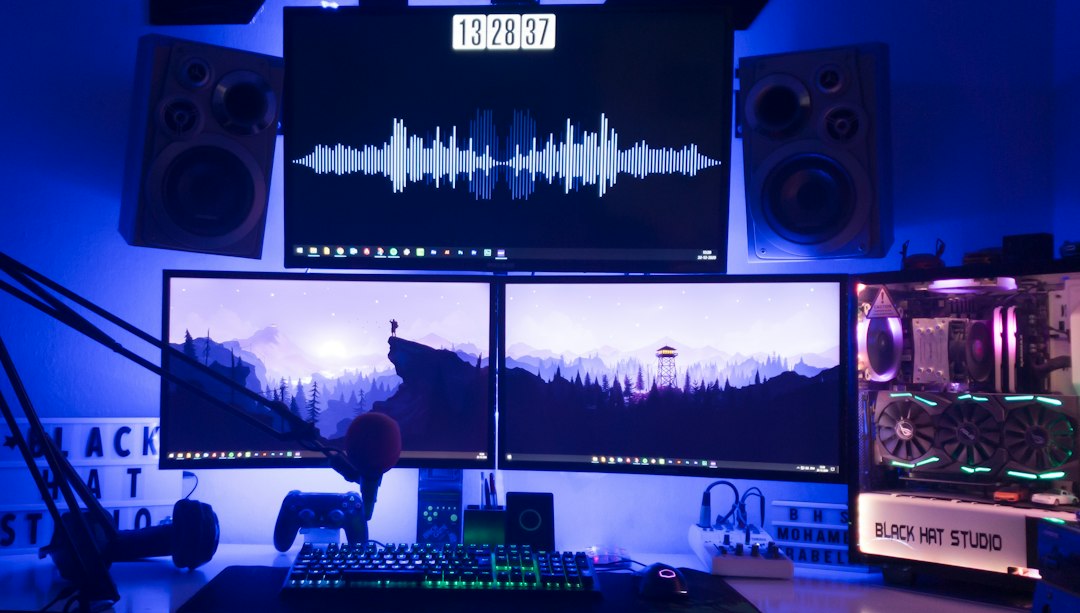
Master the timing and cultural nuances of meme sounds like 'Wilhelm Scream' and 'To Be Continued' to craft unforgettable auditory punchlines that resonate with digital audiences.
In the dynamic world of digital content, the perfect sound effect can elevate a good video to a viral sensation. It's not just about what you see, but what you hear—the subtle cues and explosive punchlines that capture attention and drive shares. Today, we delve into the art of the auditory punchline, exploring how iconic sounds like the timeless Wilhelm Scream or the suspenseful To Be Continued theme become integral to comedic storytelling. We'll break down five essential meme sounds, revealing their historical significance, their psychological impact on viewers, and practical strategies for creators to wield them effectively. Learn how to craft viral moments that stick, ensuring your content not only gets seen but also heard and remembered across all major platforms.
About this sound
The Wilhelm Scream is perhaps the most famous stock sound effect in cinematic history, a distinctive vocalization of a man screaming that has been used in countless films and TV shows since the 1950s. Its memeification comes from its ubiquitous presence and the inside joke among film buffs and sound designers. In digital content, it's used to humorously punctuate moments of exaggerated pain, dramatic falls, or any situation where a character experiences a comically over-the-top demise. Its iconic status makes it instantly recognizable, adding a layer of meta-humor to videos. It often appears in conjunction with other classic sound effects like a Record Scratch for abrupt changes or the sudden impact of a Metal Pipe Falling, enhancing the comedic chaos. The Wilhelm Scream is a timeless classic that continues to resonate with audiences, proving the enduring power of well-placed audio.
This classic scream is the ultimate sound effect for adding exaggerated pain or dramatic, yet comedic, misfortune to your content. Creators use the Wilhelm Scream to highlight moments of physical comedy, unexpected falls, or any situation where a character experiences a comically over-the-top reaction to pain or surprise. Its distinct vocal quality ensures that the audience immediately recognizes the iconic sound, adding a layer of knowing humor. It's particularly effective when timed with a character falling from a height, being comically hit, or reacting to a sudden, startling event. Think of it as the auditory equivalent of a cartoon character bouncing off a wall, signaling a moment of harmless, yet amusing, physical comedy. Mastering its timing can significantly enhance the slapstick elements in your videos, making your audience laugh at the exaggerated plight of your characters.
- Highlighting a character's dramatic fall in a comedic skit.
- Adding humor to a video about a clumsy pet's mishap.
- Emphasizing an unexpected, yet harmless, collision.
- Puncturing a moment of exaggerated surprise or shock.
A: It's a famous stock sound effect of a man screaming, used in countless films and TV shows, now widely recognized and used for comedic effect in memes.
A: It originated from the 1951 film "Distant Drums" and was later popularized by sound designer Ben Burtt in Star Wars and Indiana Jones films.
A: Time it precisely with moments of exaggerated pain, dramatic falls, or comedic misfortune to add a layer of meta-humor and slapstick.
About this sound
The Record Scratch sound effect is an auditory interruption, a sudden, jarring halt that instantly signals a break in narrative, an unexpected twist, or a moment of awkward realization. Its origins lie in DJ culture and old vinyl records, but its memeification has transformed it into a universal comedic device. This sound is a masterclass in narrative disruption, forcing the audience to pause and re-evaluate the preceding events. It's frequently deployed when a character says something inappropriate, a situation takes an unforeseen turn, or to highlight a moment of comedic tension. Its power is amplified when paired with other sounds that denote surprise or disbelief, such as the Bruh Sound Effect or the dramatic reveal of a Dramatic Chipmunk, creating a dynamic comedic rhythm. The Record Scratch is an indispensable tool for creators looking to control narrative flow and maximize comedic impact.
This sharp, grating sound is perfect for abruptly halting the flow of a video, signaling an unexpected turn of events or a moment of comedic realization. Creators use the Record Scratch to punctuate awkward statements, surprising reveals, or when a character's actions lead to an unforeseen consequence. Its immediate and jarring nature ensures that the audience's attention is instantly redirected, making the punchline feel more impactful. It's particularly effective when timed with a freeze-frame, a sudden zoom on a character's face, or a text overlay that explains the unexpected twist. Think of it as the auditory equivalent of hitting the pause button on reality, signaling a moment where everything stops for comedic reflection. Mastering its timing can significantly enhance the narrative tension and comedic timing of your content, making your audience anticipate and appreciate the unexpected.
- Halting a narrative to reveal a surprising plot twist.
- Puncturing an awkward silence after a questionable remark.
- Adding emphasis to an unexpected outcome in a challenge video.
- Signaling a moment of comedic realization in a character's monologue.
A: It's an auditory effect used to signal a sudden halt in narrative, an unexpected twist, or a moment of awkward realization in videos.
A: It originates from DJ culture and the sound of a needle being dragged across a vinyl record, now a universal meme.
A: Time it precisely with an unexpected event, an awkward statement, or a narrative interruption, often paired with freeze-frames or zooms.
About this sound
The To Be Continued meme, featuring the iconic "Roundabout" by Yes and a freeze-frame with a yellow arrow, is a masterclass in comedic cliffhangers. This sound effect and visual motif are used to abruptly end a video at the peak of a dramatic or disastrous moment, leaving the audience in suspense and often laughter. Its origins are deeply tied to the JoJo's Bizarre Adventure anime, but its versatility has made it a staple across all forms of digital content. It's frequently deployed when a character is about to experience a spectacular fail, an unexpected consequence, or a moment of impending doom. Its power is amplified when paired with other sounds that denote misfortune or dramatic irony, such as the Coffin Dance or the comedic despair of a Sad Violin, creating a narrative of unresolved tension. The To Be Continued meme is an excellent example of how specific cultural references can become universally understood comedic devices.
This iconic sound and visual combination is perfect for creating comedic cliffhangers and leaving your audience wanting more. Creators use the To Be Continued meme to abruptly end a video at the climax of a dramatic, disastrous, or simply absurd moment. Its effectiveness lies in the sudden freeze-frame and the recognizable music, which instantly signals an unresolved situation, often for humorous effect. It's particularly effective when timed with a character about to fall, an object about to break, or a situation spiraling out of control. Think of it as the auditory equivalent of a sitcom ending on a dramatic reveal, signaling a moment of unresolved tension that encourages rewatches and shares. Mastering its timing can significantly enhance the narrative engagement of your content, making your audience laugh at the impending doom and eagerly await the next part.
- Ending a fail compilation right before the final impact.
- Creating suspense in a comedic cooking video gone wrong.
- Puncturing a moment of a character's impending doom in a skit.
- Highlighting an unresolved conflict in a gaming stream.
A: It's a meme featuring a freeze-frame, a yellow arrow, and the song "Roundabout" by Yes, used to create comedic cliffhangers at the peak of dramatic or disastrous moments.
A: It originated from the JoJo's Bizarre Adventure anime, where it was used as an end-of-episode cliffhanger device.
A: End videos abruptly at the climax of a dramatic or disastrous moment, using the sound and freeze-frame to create humorous suspense and encourage rewatches.
About this sound
The Metal Pipe Falling sound is a distinct, resonant clang that has become a staple in internet humor for its ability to punctuate moments of unexpected impact, comedic chaos, or sudden realization. While seemingly simple, the sound's unique timbre and abruptness make it incredibly effective at grabbing attention and signaling a moment of heightened absurdity. Its origins are somewhat obscure, but its widespread use in short-form videos has cemented its place in the pantheon of viral sound effects. It's frequently deployed when an object falls unexpectedly, a character makes a clumsy move, or to add a jarring element to an otherwise mundane scene. Its power is often amplified when paired with other sounds of sudden impact or surprise, such as the Vine Boom or the dramatic flair of a Dramatic Chipmunk, creating a symphony of comedic disruption. The Metal Pipe Falling sound is a testament to the power of simple, yet impactful, audio cues.
This sharp, metallic clang is the perfect sound for adding an element of unexpected impact or comedic chaos to your content. Creators use the Metal Pipe Falling sound to highlight moments where an object falls unexpectedly, a character makes a clumsy move, or to simply add a jarring, yet humorous, element to a scene. Its distinct resonance ensures that the audience's attention is immediately drawn to the source of the sound, making the comedic timing feel more pronounced. It's particularly effective when timed with an object dropping out of frame, a character tripping, or a sudden, unexplained noise in the background. Think of it as the auditory equivalent of a cartoon anvil dropping, signaling a moment of harmless, yet amusing, physical comedy. Mastering its timing can significantly enhance the slapstick elements in your videos, making your audience laugh at the unexpected disruptions.
- Highlighting an object unexpectedly falling in a home video.
- Adding humor to a video about a clumsy character's mishap.
- Emphasizing a sudden, unexplained noise in a comedic skit.
- Puncturing a moment of calm with an unexpected auditory disruption.
A: It's a distinct clang sound effect used to punctuate moments of unexpected impact, comedic chaos, or sudden realization in videos.
A: Its origins are somewhat obscure, but it gained widespread popularity as a viral sound effect in short-form online videos.
A: Time it precisely with a falling object, a clumsy action, or a sudden, jarring noise to enhance comedic impact and surprise.
About this sound
The What The Dog Doing sound is a short, bewildered vocalization that has become a viral sensation for its ability to express confusion, surprise, or mild alarm at an unexpected sight. Its charm lies in its simple, yet universally relatable, expression of bewilderment. This sound is frequently deployed when a video features an animal (or even a human) engaging in an unusual, funny, or inexplicable behavior. Its viral spread highlights the internet's love for animal antics and unexpected moments. It often appears in conjunction with other sounds that denote surprise or absurdity, such as the Ballerina Capuchina for its brainrot humor or the dramatic flair of a Dramatic Chipmunk, creating a narrative of playful confusion. The What The Dog Doing sound is a testament to how simple, relatable phrases can become powerful meme generators.
This short, bewildered vocalization is perfect for reacting to unexpected or unusual sights, particularly involving animals. Creators use the What The Dog Doing sound to highlight moments where a pet (or even a person) behaves in a strange, funny, or inexplicable way. Its immediate and relatable expression of confusion ensures that the audience shares in the bewilderment, making the comedic timing feel more pronounced. It's particularly effective when timed with a sudden reveal of an animal's odd behavior, a character's confused expression, or a text overlay that poses the rhetorical question. Think of it as the auditory equivalent of a double-take, signaling a moment where reality seems to bend for comedic effect. Mastering its timing can significantly enhance the observational humor in your videos, making your audience laugh at the unexpected antics of the world around us.
- Reacting to a pet's unusual and funny behavior in a home video.
- Highlighting a strange or inexplicable sight in a vlog.
- Adding humor to a video about an animal's unexpected antics.
- Puncturing a moment of calm with a sudden, bewildering visual.
A: It's a bewildered vocalization used to express confusion, surprise, or mild alarm at an unexpected or unusual sight, often involving animals.
A: It gained popularity as a viral sound effect in short-form videos, often associated with clips of animals behaving strangely.
A: Time it precisely after revealing an unexpected animal behavior or strange sight, often paired with zooms or confused reactions.