Tu tablero de sonido
 Inicio
 Nuevo
Nuevo Temas
Temas Tendencias
 Más popular
 Anime y Manga
 Juegos
 Memes
Memes Películas
 Música
 Política
 Bromas
 Reacciones
 Efectos de sonido
 Deportes
 Televisión
 Tendencias de TikTok
 Viral
Viral Audios de Whatsapp
 Términos de uso
 Política de privacidad
 Política de derechos de autor DMCA
 Contáctenos
 Sobre nosotros
From Ballads to Beats: Viral Music Moments Shaping Meme Culture
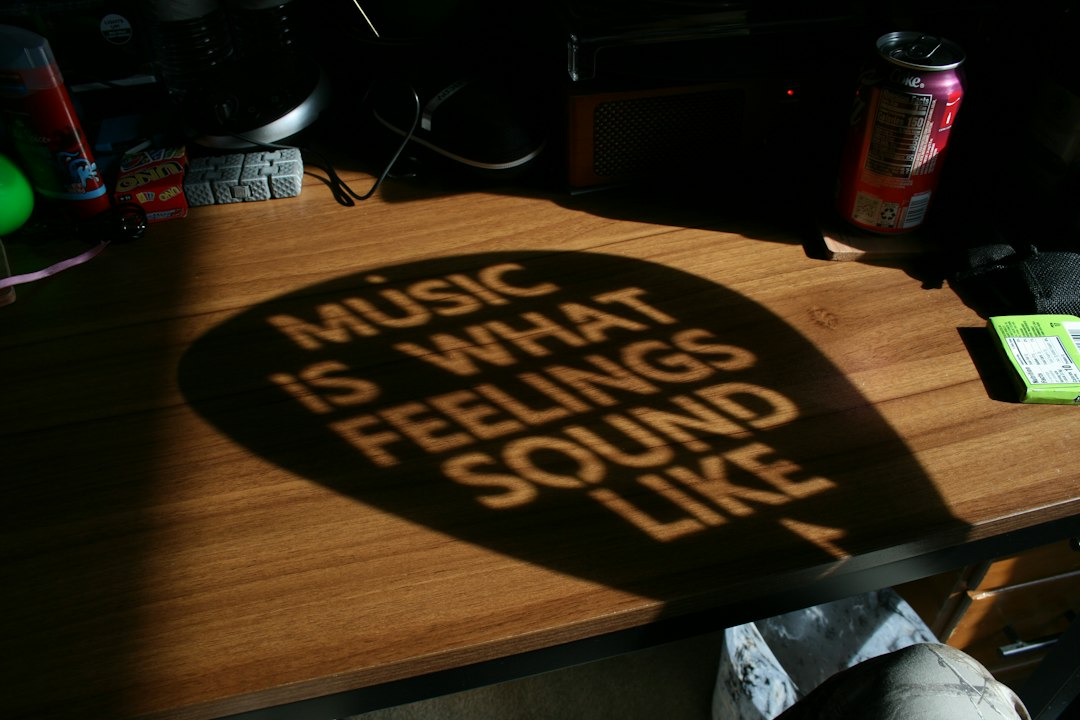
Explore how diverse music clips, from the emotional depths of 'Another Love' to the ironic grandeur of 'Red Sun in the Sky,' become viral sensations and powerful tools in meme creation.
Music is the heartbeat of digital culture, and nowhere is this more evident than in the world of viral memes. A perfectly chosen musical snippet can transform a simple video into an emotional journey, a comedic masterpiece, or a profound statement. These short audio clips, often detached from their original context, gain new life as they are remixed, reinterpreted, and shared across platforms. This article delves into five distinct music sounds that have achieved viral status, examining their cultural impact and offering creators insights into harnessing their unique power for algorithm-optimized content.
About this sound
This sound is associated with Ahmet Kaya and the song Başkaldırıyorum, as indicated by the published source information for this clip. Online, short excerpts of Turkish songs like this often spread through meme pages, status videos and reposted edits because they carry strong emotion in just a few seconds. This clip stays useful because its tone is instantly recognizable to Turkish-speaking audiences and because the word "başkaldırıyorum" itself signals resistance, making it easy to match with captions about standing up, pushing back or rejecting something. It's a powerful example of a culturally significant music meme, similar to how Arabic music memes gain traction.
The Başkaldırıyorum Song Clip is a brief, defiant excerpt from Ahmet Kaya's emotional Turkish ballad. Known for its intense vocal delivery and urgent musical backing, this sound instantly injects a mood of resistance, inner struggle, or emotional charge into any digital content. Creators frequently use it to underscore protest themes, emphasize a firm refusal to back down, or add dramatic weight to reaction-style posts. Its power lies in its ability to convey deep emotion and cultural resonance within a few seconds, making it a potent tool for impactful storytelling and meme creation, especially within Turkish-speaking communities.
- Adding a rebellious turn to a dramatic meme edit.
- Underscoring protest-themed captions or social commentary clips.
- Pairing with slow zooms on determined facial reactions.
- Highlighting a refusal to accept unfair treatment.
A: It is a short music clip from Ahmet Kaya's Başkaldırıyorum. People use it in edits and memes when they want a serious, emotional and defiant Turkish song moment that quickly changes the tone of a video.
A: Based on the source information published for this clip, it comes from the song Başkaldırıyorum by Ahmet Kaya. The sound used here is a brief excerpt rather than the full track.
A: Creators usually place it over scenes of resistance, disappointment turning into resolve, or captions about speaking out. It also fits slow zooms, dramatic pauses and edits where the emotional weight matters more than rapid punchlines.
About this sound
British singer-songwriter Tom Odell released Another Love in 2012, and it later appeared on his 2013 debut studio album, Long Way Down. The piano ballad gained enduring online popularity through emotional edits and short-form videos, where creators paired its escalating arrangement with stories of heartbreak, longing, and personal struggle. Renewed circulation on social platforms introduced the track to new audiences years after its release. It remains widely used because a brief section can establish a somber mood while its louder passages support a dramatic visual payoff. It's a prime example of a sad song meme, often used similarly to emotional piano music in edits.
This 6.4-second music clip captures part of Another Love, Tom Odell’s piano-led ballad. Even in a brief excerpt, the song’s plaintive vocal delivery and rising emotional weight create a melancholy, yearning mood. Creators often use it to make a scene feel reflective, heartbroken, or quietly dramatic, especially when the visuals show loss, distance, regret, or an unresolved relationship. The familiar melody can quickly shift an ordinary montage into something more intimate, giving viewers an immediate cue that the moment carries sadness or emotional tension. This makes it a powerful tool for evoking empathy and depth in short-form content.
- Scoring a breakup reveal in a short video.
- Adding melancholy to photos from a past relationship.
- Underscoring a character’s lonely or reflective moment.
- Building tension before an emotional montage reaches its climax.
A: It is a short excerpt from Another Love, an emotional piano ballad performed by British singer-songwriter Tom Odell. The clip carries the song’s recognizable melancholy tone and is commonly added to reflective or dramatic video edits.
A: Tom Odell released Another Love in 2012. The song later appeared on his 2013 debut studio album, Long Way Down, and gained renewed attention through emotional edits and short-form social media videos.
A: Creators commonly place the clip under breakup scenes, personal memories, sad character edits, and reflective montages. Its piano-led sound and emotional vocal delivery help establish longing, regret, or heartbreak within a few seconds.
About this sound
Red Sun in the Sky is widely shared online as a short looped Chinese song clip used in meme videos, ironic political edits and bait-and-switch posts. Even when listeners do not know the full source, they recognize the sound from reposts on short-form video platforms, YouTube edits and compilation memes. Its staying power comes from the contrast between its formal, patriotic tone and intentionally trivial visuals. It often appears alongside other Chinese meme songs such as super idol, especially in posts built around exaggerated seriousness. It's a classic example of ironic meme music.
The Red Sun in the Sky Loop is a 6-second segment of a Chinese song, instantly recognizable for its bright, marching melody and bold, old-style choral feel. Digital creators leverage this sound primarily for ironic edits, mock propaganda videos, and dramatic shitposts. The music’s inherent grandeur and ideological tone create a powerful contrast when paired with mundane or absurd visuals, making ordinary footage appear comically important or over-serious. This loop is a masterclass in using sound to subvert expectations, generating high engagement through its unique blend of triumph and deadpan humor, perfect for algorithmic feeds.
- Mock communist edits with dramatic zooms and red filters.
- Ironic intros for gaming clips or low-stakes announcements.
- History memes that exaggerate a serious political mood.
- Looped shitposts where the same image keeps returning.
A: It is a short looped music clip commonly known online as Red Sun in the Sky. People use it in ironic edits, mock propaganda memes and dramatic joke videos because it sounds grand and serious immediately.
A: You usually hear it in short meme edits on video platforms, repost compilations and image macros with zoom-ins or red-tinted visuals. The loop format makes it easy to repeat under captions, reveals and intentionally overblown political jokes.
A: The clip became popular because its triumphant, formal sound creates a strong contrast with mundane or absurd footage. That mismatch gives creators a fast way to make a scene feel comically important, ideological or ominously serious.
About this sound
This sound is best understood as a general creepy music cue rather than a clip tied to one confirmed song or soundtrack. Short eerie music snippets like this spread widely through meme edits, horror compilations and reaction videos because they create suspense in seconds. They stay popular because creators can drop them into almost any scene to imply danger, mystery or an intentionally overdramatic scare. Similar sounds often appear alongside other horror-style cues such as roblox horror or a classic evil laugh in short-form videos.
The Creepy Music Sound Effect is a brief, eerie background track designed to build instant suspense and an unsettling mood. Digital creators frequently deploy this sound in horror edits, dramatic reveals, and spooky memes to quickly transform a normal moment into something suspicious or haunted. Its dark, tension-building tone is perfect for exaggerating awkward silences, setting up jump scares, or adding a layer of mystery to visual content. This sound is a powerful tool for manipulating audience emotions, making it highly effective for content that aims to surprise, disturb, or comically frighten viewers, ensuring high retention in algorithmic feeds.
- Adding instant tension before a jump scare moment.
- Underscoring a suspicious glance or slow dramatic zoom.
- Turning a normal clip into a horror parody.
- Pairing with spooky game footage or haunted edits.
A: It is usually used to add suspense, unease or a horror-comedy tone to a clip. Creators drop it before a reveal, during a slow zoom or under a strange moment to make the scene feel darker and more dramatic.
A: Based on the available information, there is no confirmed source tied to a specific movie, game or soundtrack. It is best treated as a general eerie music clip commonly used in memes, edits and horror-style videos.
A: Most creators place it right before the payoff moment, such as a face reveal, unexpected movement or awkward silence. Keeping the music short and timed to the visual beat makes the joke or scare land more clearly.
About this sound
"Tuturu" became widely recognized through Steins;Gate, where Mayuri Shiina uses it as a signature greeting. The phrase spread through anime fandom, remix clips and short-form edits because it is instantly identifiable even in a one-second sample. It remains popular years later because it is simple, cute and easy to drop into memes without needing setup. Online, people use it to signal anime culture, lighten a scene or give a clip a soft, playful tone similar to Nico Nico nii. It's a beloved anime voice meme.
The Mayuri Tuturu Sound is the famous, cheerful greeting associated with Mayuri Shiina from the anime Steins;Gate. This very short, bright voice clip carries a playful, sing-song tone that instantly evokes cuteness, friendliness, and a touch of nostalgia for anime fans. Digital creators frequently use it as a quick comedic accent, softening awkward moments, making character entrances adorable, or adding a recognizable anime reference without interrupting video pace. Its brevity and distinct charm make it an excellent tool for injecting lightheartedness and cultural specificity into short-form content, appealing directly to a broad audience of anime enthusiasts.
- Introducing a cute anime character in an edit.
- Adding a cheerful button to a reaction meme.
- Punctuating a wholesome moment in a montage.
- Using an instant anime reference in short videos.
A: It is a very short voice clip of the cheerful phrase "Tuturu," most commonly recognized as Mayuri Shiina's signature greeting. Online, people use it as a cute anime reaction sound and a quick reference for Steins;Gate fans.
A: The clip is associated with the anime Steins;Gate. Fans recognize it as Mayuri Shiina's trademark greeting, and that connection is why the sound is so common in anime edits, memes and short reaction videos.
A: Creators use it because it is short, recognizable and instantly changes the mood of a clip. A single "Tuturu" can make an entrance feel adorable, add anime flavor to a post, or turn a plain reaction into something more playful.