 您的音效板
您的音效板


 首页
首页 新
新 主题
主题 热门
热门 最受欢迎
最受欢迎 视频
视频 动漫和漫画
动漫和漫画 游戏
游戏 迷因
迷因 电影
电影 音乐
音乐 政治
政治 恶作剧
恶作剧 反应
反应 音效
音效 体育
体育 电视
电视 TikTok 趋势
 病毒式传播
病毒式传播 WhatsApp 音频
 使用条款
使用条款 隐私政策
隐私政策 DMCA版权政策
 联系我们
联系我们 关于我们
关于我们The Psychology of Reaction Sounds: From Confusion to Cringe
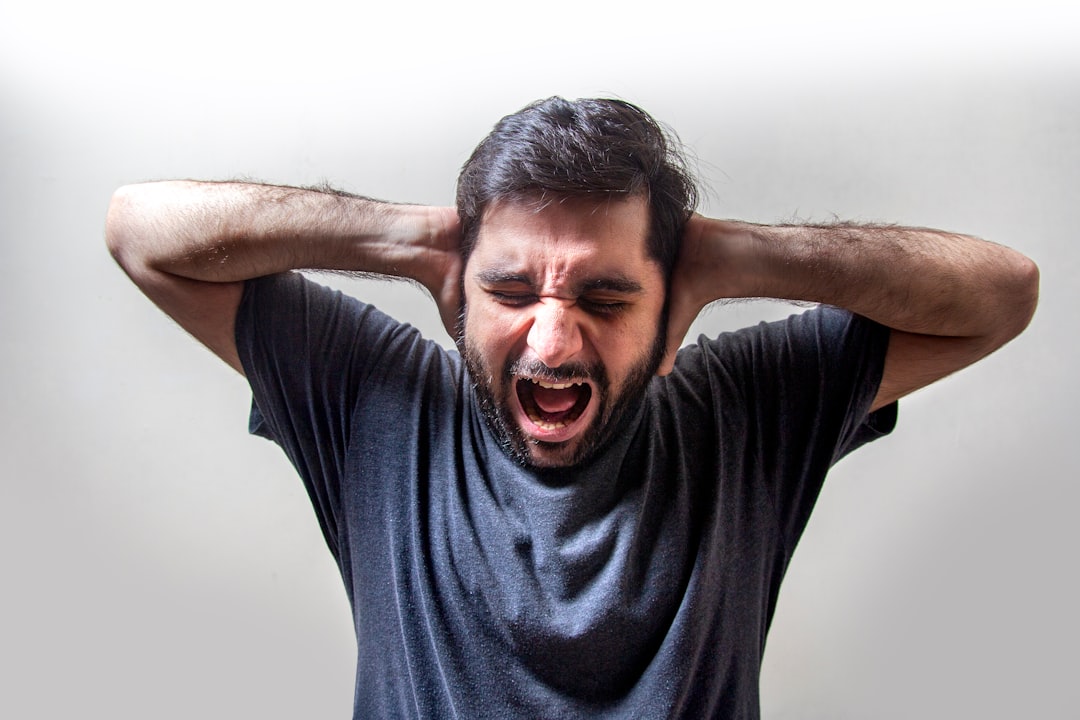
Delve into the emotional triggers behind viral reaction sounds, exploring how creators leverage audio to evoke confusion, awkwardness, and relatable cringe in their content.
In the dynamic landscape of digital media, certain sounds possess an uncanny ability to tap into our shared emotional responses. From moments of bewildering confusion to the cringeworthy awkwardness that makes us look away, viral reaction sounds are powerful tools for creators. This article explores five such audio phenomena, dissecting how they manipulate audience psychology to generate engagement, whether through a sudden burst of Japanese exasperation or the blunt force of an Indian insult. Understanding these triggers is key to crafting content that truly resonates.
About this sound
No verified film, anime, television, or creator source is attached to this recording, and its original year is not documented. It circulates under a Japanese title that combines a plea for help, a reference to fainting, and an intentionally strange interruption. Online, clips like this spread through reposted reaction edits and short meme compilations, where missing context becomes part of the joke. Its compact length and sharp change in tone keep it useful for edits that need a quick burst of confusion rather than a lengthy comedic scene, much like the abruptness of Oohh Chinese Man or the sheer bewilderment of Blyat Cho Za Huynya Meme.
A short Japanese meme audio clip featuring a frantic argument about fainting and an absurd retort, used for chaotic reactions, edits, and punchlines. This 5.59-second Japanese voice clip is built around a sudden, absurd confrontation. One line urgently calls for help and mentions fainting, before another cuts in with a harsh, bizarre response. The fast shift from distress to blunt interruption gives the audio its meme energy: tense at first, then confusing enough to become funny. Because the exchange is short and emotionally exaggerated, it can make an ordinary reaction shot feel chaotic, unhinged, or deliberately out of context, similar to the abrupt, confrontational tone of Sara Duterte Cursing.
- Interrupting a dramatic scene with an unexpected verbal outburst.
- Scoring a character who panics over a minor problem.
- Adding confusion to an anime-style reaction edit.
- Ending a meme compilation with an absurd exchange.
A: The title roughly describes someone calling for help and saying they will faint, followed by a forceful interruption containing an intentionally odd phrase. The abrupt contrast gives the exchange its confusing, absurd humor.
A: A verified source, original creator, character, and release year are not documented for this clip. It is best identified as a short Japanese meme audio shared for reaction edits and out-of-context comedy.
A: Creators place it over panic, confusion, arguments, or sudden interruptions. It works especially well when a serious setup cuts immediately to a bewildered reaction shot as the second line arrives.
About this sound
Lodu Lalit comes from Mirzapur Season 2, the 2020 installment of the Hindi-language crime drama. The line is associated with Munna Tripathi and his relationship with Lalit, one of his close companions in the series. Its compact wording and contemptuous delivery helped it circulate beyond episode clips through memes, short reaction videos, and fan edits. It remains recognizable because viewers can use it as a concise response to incompetence, awkward behavior, or a spectacularly poor decision. Its direct, insulting nature offers a similar punch to the absurd confession of 500 Cigarettes TikTok Sound or the exasperated tone of Emotional Damage.
A short Lodu Lalit dialogue clip spoken by Munna Tripathi in Mirzapur Season 2, used for roasting friends, mocking mistakes, and sharp reaction edits. This clip captures Munna Tripathi delivering the insulting phrase “Lodu Lalit” in Mirzapur Season 2. His blunt delivery turns the character’s name into a memorable put-down, giving the line an aggressive but darkly comic edge. The brief pause and forceful emphasis make it easy to recognize even outside the original scene. In memes and reaction videos, the audio creates an immediate punchline by making someone’s mistake, confusion, or embarrassing behavior feel like it has earned Munna’s personal ridicule, much like the frustrated outburst of Blyat Cho Za Huynya Meme.
- Roasting a friend after an obviously foolish mistake.
- Ending a gaming fail with Munna Tripathi’s sharp insult.
- Reacting to someone misunderstanding a simple task.
- Adding a punchline to Mirzapur character edits.
A: It is a short Hindi dialogue clip in which Munna Tripathi addresses Lalit with a vulgar insult. The forceful delivery gives it a mocking, darkly comic tone commonly used in reaction memes.
A: The dialogue comes from Mirzapur Season 2, released in 2020. It is connected to Munna Tripathi and Lalit, characters whose volatile friendship contributes to several memorable moments in the crime drama.
A: Creators usually place it after someone makes an obvious mistake, fails at a game, or says something foolish. Because the wording is insulting, it works best in informal comedy between audiences familiar with its Hindi meaning.
About this sound
This moaning sound is widely used online as a meme audio rather than for a clearly documented original source. It often appears in short edits, prank compilations, chat jokes, and reposted reaction videos, especially when creators want an instantly awkward punchline. Its staying power comes from how quickly it shifts the mood of a clip without needing context. In meme culture, it fills a similar role to a bruh moment or other abrupt reaction sounds that turn normal footage into an uncomfortable joke, much like the sudden surprise of Oohh Chinese Man.
A 25-second moaning audio clip commonly shared as a meme. People use it in prank edits, awkward jokes, and reaction posts to make scenes sound instantly uncomfortable. This sound is a long, exaggerated moaning clip that plays for about 25 seconds and is usually used for shock humor. It has the kind of over-the-top vocal delivery that immediately changes the tone of a video, making ordinary moments feel awkward, suggestive, or absurd. Creators often drop it over silent footage, accidental pauses, or close-up reactions to get a fast laugh. Because the audio is so recognizable in meme culture, it tends to grab attention quickly and push a scene into cringe-comedy territory, often paired with the incredulous tone of Literally How.
- Adding awkward humor to a silent reaction clip.
- Pranking friends in voice chats or group calls.
- Editing suspicious eye contact into a meme video.
- Interrupting a serious scene with cringe comedy.
A: It is a roughly 25-second audio clip of exaggerated moaning used as a meme. People add it to videos, calls, and joke edits to create awkward, suggestive, or intentionally uncomfortable humor.
A: A clear original source is not reliably established from the available information. Online, it is mainly known as a reused meme clip shared in prank edits, reaction posts, and chat jokes rather than a credited media quote.
A: Creators usually place it over a pause, stare, zoom, or accidental silence to make the moment feel instantly awkward. It works best as a sudden punchline, especially in prank videos, cringe memes, and reaction-style posts.
About this sound
No verified film, television, or viral-video source is identified for this recording. Online, the clip functions as a compact introduction meme built around the contrast between a complete name and a one-letter nickname. Creators commonly place it over portraits, character cards, friend-group edits, or mock documentary sequences. Its continuing appeal comes from the self-contained setup and payoff: listeners understand the name joke within a few seconds, even without broader context or knowledge of the person being introduced. Its unexpected reveal shares a comedic beat with the 500 Cigarettes TikTok Sound and the sharp, mocking tone of Lodu Lalit Sound Clip.
A short spoken meme clip naming Adrian Christian Hernandez and adding that locals know him as A, used for playful introductions, name reveals, and reaction edits. This four-second voice clip delivers a formal-sounding full name before contrasting it with the much shorter local nickname, A. The humor comes from the sudden shift between the elaborate introduction and the simplest possible nickname. Its compact timing makes the line feel like a quick character reveal or personal introduction, while the understated delivery leaves room for captions and visual punchlines. Viewers can use the audio to emphasize an unexpectedly long name, introduce someone with exaggerated importance, or set up a joke about how friends actually address them, often creating a similar surprise to the Oohh Chinese Man sound.
- Introducing a friend with an exaggerated formal name card.
- Revealing a simple nickname after a dramatic character entrance.
- Captioning someone whose full name rarely gets used.
- Adding a playful identity reveal to a reaction edit.
A: It is a brief spoken clip that presents the full name Adrian Christian Hernandez, then explains that local people use the much shorter nickname A. The contrast gives the audio its comedic effect.
A: A verified original source is not established in the available information. The clip is best treated as a standalone voice meme rather than attributed to a particular movie, television program, character, or creator.
A: Creators use it for humorous introductions, dramatic name reveals, nickname jokes, and edits featuring someone with a long formal name. It works especially well when the letter A appears on screen at the final beat.
About this sound
The original speaker, recording date, and source production for this clip are not reliably documented. Online, it functions as a compact disbelief reaction rather than a reference requiring specific background knowledge. Creators commonly attach it to confusing demonstrations, unlikely outcomes, unexplained skills, and moments when cause and effect appear disconnected. Its tone overlaps with other emphatic reaction formats such as BRUH and the Emotional Damage Meme, but its direct question is especially useful when the joke depends on demanding an explanation. It remains usable because the wording fits many unexpected situations.
A baffled “literally, how?” reaction clip of unknown online origin, used in memes and short videos when an outcome seems impossible or makes no sense. This reaction clip centers on the incredulous phrase “literally, how?” and conveys immediate confusion, disbelief, or amazement. Its questioning delivery works as a sharp response to something that appears impossible, illogical, or unexpectedly impressive. Because the audio communicates its meaning quickly, it can turn an ordinary reveal into a punchline or emphasize the absurdity of a failed explanation. The brief format also makes it suitable for rapid meme edits, reaction videos, gaming moments, and social posts where viewers need to understand the creator’s bewilderment without additional context, much like the frustrated confusion of Blyat Cho Za Huynya Meme.
- Reacting to an impossible trick shown without explanation.
- Highlighting a game glitch that defies normal mechanics.
- Questioning a wildly unlikely result in a challenge.
- Responding to an absurd claim in a meme edit.
A: It is a short reaction audio centered on the phrase “literally, how?” The clip expresses disbelief or confusion and is commonly used after an impossible-looking result, unexplained action, surprising skill, or nonsensical claim.
A: The clip’s original speaker, platform, and recording date are not reliably documented. It is best understood as a general online reaction sound whose meaning comes from the incredulous question rather than a confirmed movie, show, or creator source.
A: Creators place it directly after a confusing reveal, improbable achievement, strange game glitch, or unbelievable claim. A pause, zoom, or freeze-frame before the audio helps focus attention on the detail that prompted the question.