您的音效板
您的音效板 首页
首页 新
新 主题
主题 热门
热门 最受欢迎
最受欢迎 动漫和漫画
动漫和漫画 游戏
游戏 迷因
迷因 电影
电影 音乐
音乐 政治
政治 恶作剧
恶作剧 反应
反应 音效
音效 体育
体育 电视
电视 TikTok 趋势
 病毒式传播
病毒式传播 WhatsApp 音频
 使用条款
使用条款 隐私政策
隐私政策 DMCA版权政策
 联系我们
联系我们 关于我们
关于我们The Psychology of Engagement: How Specific Sounds Hook Audiences
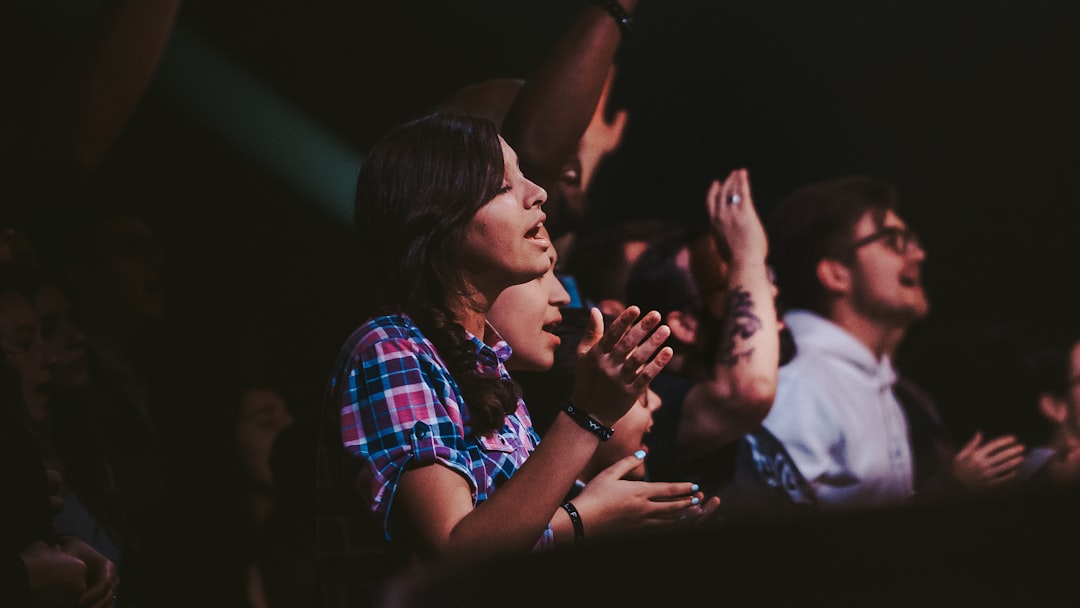
Unpack the psychological triggers behind viral sounds like the chilling 'evil laugh (thriller),' the nostalgic 'Dora Theme Song,' and the iconic 'No creo,' revealing their power in digital content.
In the intricate ecosystem of digital media, certain sounds possess an uncanny ability to capture and retain audience attention, often bypassing conscious thought to tap directly into emotional responses. As senior digital media strategists and viral meme content creators, our role is to dissect these sonic phenomena, understanding not just their popularity but the underlying psychology that makes them algorithm-optimized editorial gold. This article explores five diverse audio clips that have achieved viral status, offering a deep dive into their origins, cultural significance, and the subtle ways they manipulate engagement psychology.
From spine-tingling cackles to childhood anthems and expressions of disbelief, these sounds are powerful tools in a creator's arsenal. We'll uncover how they are strategically employed to create high-retention content, influence viewer behavior, and ultimately drive viral trends. Prepare to enhance your understanding of meme sound culture and master the art of crafting content that resonates deeply with your target audience.
About this sound
The "evil laugh (thriller)" sound is a classic, chilling cackle that instantly evokes a sense of menace, mischief, or dramatic irony. Its virality stems from its universal recognition as a trope in horror and suspense, making it perfect for comedic subversion or genuine tension-building. It's a go-to sound for emphasizing a villainous reveal or a mischievous plot, similar to the sinister undertones of evil jonkler. The sound's dramatic flair and immediate emotional impact make it highly effective for creating memorable moments, much like the sudden fright of evil scary (die of death).
Creators utilize the "evil laugh (thriller)" to punctuate moments of dark humor, to foreshadow an unfortunate event, or to add a layer of theatrical villainy to their content. It's particularly effective in short-form videos where a quick, impactful sound can instantly shift the mood. The sound's distinct, almost theatrical quality ensures it grabs viewer attention and adds a memorable auditory element. It works exceptionally well in comedic skits, reaction videos to bad decisions, or any content where a touch of dramatic irony or playful malice is desired. Its ability to instantly convey a sense of impending mischief is key to its widespread adoption, much like the dramatic impact of Get Yo A$$ Whooped.
- Use in comedic skits where a character is being playfully evil.
- Apply to reaction videos when someone makes a hilariously bad choice.
- Integrate into gaming clips when a player executes a sneaky or unfair tactic.
- Combine with a sudden dimming of lights or a shadowy visual effect.
A: It's used to convey menace, mischief, or dramatic irony, often for comedic effect.
A: Yes, it's a classic horror trope, but its meme status also allows for comedic subversion.
A: It creates an immediate emotional response, whether fear or laughter, making content more impactful.
About this sound
The "Dora Theme Song" is instantly recognizable to a generation, carrying a strong sense of nostalgia and childlike innocence. Its virality often stems from its use in ironic or unexpected contexts, contrasting its cheerful nature with more mature or absurd situations. It's a go-to sound for evoking childhood memories or creating a humorous juxtaposition, similar to the innocent yet chaotic energy of adoptme night. The sound's upbeat tempo and familiar melody make it highly effective for lighthearted content or comedic setups, much like the playful repetition of леу леу леу.
Digital creators deploy the "Dora Theme Song" to inject a sense of nostalgic whimsy, to ironically comment on a journey or exploration, or to add a layer of innocent charm to their content. It's particularly effective in short-form videos where a quick, recognizable melody can instantly set a lighthearted mood. The sound's cheerful disposition ensures it grabs viewer attention and adds a memorable auditory element. It works exceptionally well in travel vlogs, DIY tutorials (as an ironic guide), or any content where a touch of playful exploration or a humorous contrast is desired. Its ability to instantly transport viewers back to childhood is key to its widespread adoption, much like the comforting familiarity of Alessia Cara Here.
- Apply to travel vlogs for a lighthearted, adventurous tone.
- Use in comedic skits about getting lost or trying to find something.
- Integrate into DIY or cooking videos as an ironic instructional soundtrack.
- Combine with animated maps or pointing gestures for a direct reference.
A: Its strong nostalgic value and cheerful tone make it perfect for ironic or juxtaposed humor.
A: Yes, its ironic use often places it in content for older audiences, creating comedic contrast.
A: It triggers nostalgia and often humor, making content more relatable and shareable.
3. No creo
About this sound
The "No creo" (I don't believe it/I don't think so) sound is a concise, emphatic vocal clip that has become a staple in meme culture for expressing disbelief, skepticism, or outright rejection. Its virality stems from its clear, universal emotional resonance and its ability to instantly convey a strong, often humorous, reaction. It's a go-to sound for puncturing inflated claims or reacting to absurd situations, similar to the bluntness of cala-boca-puta. The sound's directness and immediate impact make it highly effective for comedic setups or reaction content, much like the sudden realization evoked by HeSayTheWord.
Digital creators utilize "No creo" to punctuate moments of disbelief, to challenge a statement, or to add a layer of skeptical humor to their content. It's particularly effective in short-form videos where a quick, impactful vocalization is needed to convey a strong opinion. The sound's clear, decisive delivery ensures it grabs viewer attention and adds a memorable auditory element. It works exceptionally well in reaction videos to outlandish claims, comedic skits involving skepticism, or any content where a character needs to express doubt. Its ability to instantly convey a sense of incredulity is key to its widespread adoption, much like the dramatic impact of Low honor RDR2 when a character's actions are questioned.
- Use in reaction videos to unbelievable news or online content.
- Apply to comedic skits where a character expresses doubt about a plan.
- Integrate into debates or discussions to challenge an opponent's point.
- Combine with a visual shrug or a head shake for non-verbal reinforcement.
A: It means "I don't believe it" or "I don't think so" in Spanish.
A: Its clear expression of disbelief and versatility in comedic contexts make it highly shareable.
A: Yes, its meaning is generally understood and its use is widely accepted in meme culture.
About this sound
The "Low honor RDR2" sound, originating from the popular video game Red Dead Redemption 2, is a distinct audio cue that signifies a character's morally questionable actions or a negative consequence. Its virality stems from its immediate association with the game's honor system and its ability to humorously or dramatically comment on someone's bad behavior. It's a go-to sound for highlighting morally dubious choices or a deserved negative outcome, similar to the aggressive tone of Get Yo A$$ Whooped. The sound's unique game context makes it highly effective for gaming memes and reaction content, much like the specific game reference in Furina Jaja~n! (Audio).
Digital creators utilize "Low honor RDR2" to punctuate moments where a character or person acts in a morally questionable way, often for comedic effect. It's particularly effective in short-form videos where a quick, recognizable sound can instantly comment on a situation. The sound's distinct game origin ensures it resonates with gamers, while its clear implication of "bad behavior" makes it understandable to a wider audience. It works exceptionally well in reaction videos to controversial statements, comedic skits about breaking rules, or any content where a character's actions are being judged. Its ability to instantly convey a sense of moral judgment is key to its widespread adoption, much like the dramatic impact of evil laugh (thriller) when a villain's plan unfolds.
- Use in gaming clips when a player makes a "bad" decision in-game.
- Apply to reaction videos commenting on controversial public figures.
- Integrate into comedic skits where a character gets away with something naughty.
- Combine with a visual "ding" or a red overlay to signify a negative score.
A: It comes from the video game Red Dead Redemption 2, signifying a loss of honor.
A: To humorously comment on morally questionable actions or deserved negative consequences.
A: While originating from a game, its meaning of "bad behavior" is widely understood, making it accessible to non-gamers.
About this sound
The "adoptme night" sound, likely originating from the popular Roblox game Adopt Me!, carries a distinct atmospheric quality often associated with nighttime in virtual worlds. Its virality stems from its ability to evoke a sense of calm, mystery, or even a slight eerie feeling, making it versatile for various content moods. It's a go-to sound for setting a tranquil or slightly suspenseful scene, similar to the ambient background of Low buzzing whoosh. The sound's gentle yet distinct melody makes it highly effective for creating immersive experiences or adding a touch of digital nostalgia, much like the familiar tune of Dora Theme Song.
Digital creators utilize "adoptme night" to establish a peaceful or slightly mysterious atmosphere, to transition between day and night scenes, or to add a layer of digital world immersion to their content. It's particularly effective in short-form videos where a subtle, recognizable sound can instantly set a mood. The sound's gentle nature ensures it doesn't overpower visuals but rather enhances them, creating a more engaging experience. It works exceptionally well in aesthetic videos, calming content, or any content where a touch of virtual world ambiance is desired. Its ability to instantly transport viewers to a specific digital setting is key to its widespread adoption, much like the specific game reference in Low Health 1 ROTMG.
- Use as background audio for aesthetic "night routine" videos.
- Apply to time-lapse videos of natural landscapes transitioning to night.
- Integrate into calming meditation or study-with-me content.
- Combine with soft visual effects like glowing lights or starry skies.
A: It likely originates from the popular Roblox game Adopt Me!, specifically its nighttime ambiance.
A: Its gentle, atmospheric melody evokes feelings of calm, mystery, or digital nostalgia.
A: Best for aesthetic, calming, or game-related content; less so for high-energy or dramatic pieces.