您的音效板
您的音效板 首页
首页 新
新 主题
主题 热门
热门 最受欢迎
最受欢迎 动漫和漫画
动漫和漫画 游戏
游戏 迷因
迷因 电影
电影 音乐
音乐 政治
政治 恶作剧
恶作剧 反应
反应 音效
音效 体育
体育 电视
电视 TikTok 趋势
 病毒式传播
病毒式传播 WhatsApp 音频
 使用条款
使用条款 隐私政策
隐私政策 DMCA版权政策
 联系我们
联系我们 关于我们
关于我们The Art of the Unexpected Audio Drop: Mastering Viral Surprise Sounds
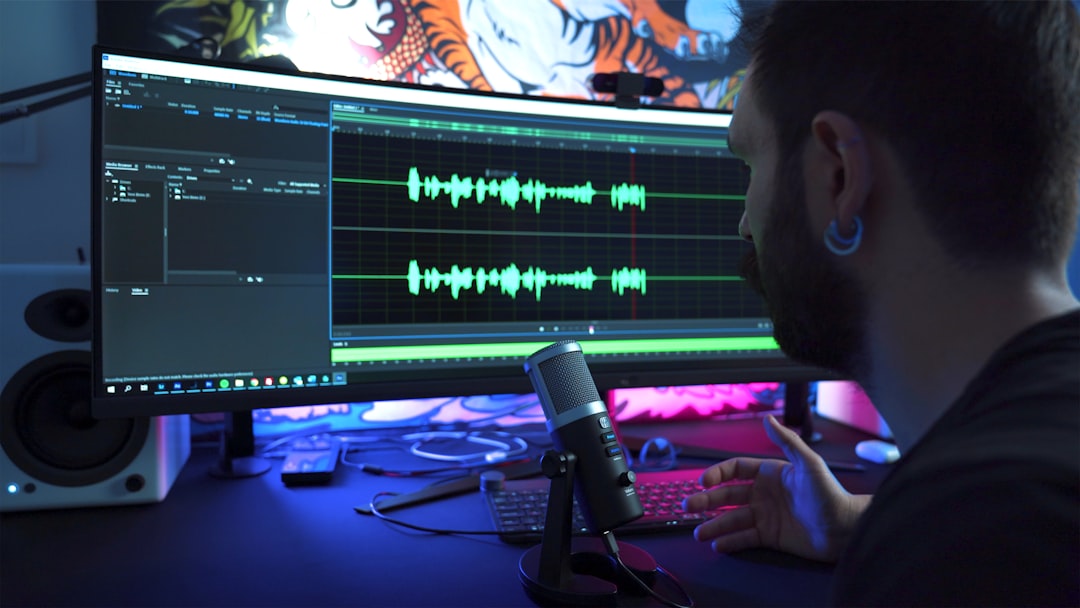
Explore how strategically deployed unexpected audio drops can instantly capture attention and drive viral engagement across social media platforms, turning ordinary content into unforgettable moments.
In the fast-paced world of digital content, capturing and holding audience attention is paramount. One of the most effective, yet often underestimated, tools in a creator's arsenal is the unexpected audio drop. These sudden, often jarring, sounds can instantly shift the mood, inject humor, or amplify a reaction, making content more memorable and shareable. From a sudden burst of laughter to a dramatic exclamation, these sonic surprises leverage human psychology to create an immediate emotional response. Understanding the nuances of sounds like Oh my god what the hell or the iconic Baby Crying Goofy Ahh is key to mastering this art. This article delves into five such sounds, offering insights into their viral appeal and practical tips for integrating them into your next hit video.
About this sound
This soundbite perfectly encapsulates a moment of utter disbelief and shock, making it a staple in reaction content. Its raw, unscripted feel gives it an authentic edge, resonating with viewers who appreciate genuine responses to absurd or unexpected situations. It often pairs well with visual gags or plot twists, similar to the dramatic tension built by NOOOOOOOOOOOOOOOOOOOOOOOO!!!! or the bewildered tone of Pergunta la no Posto Ipiranga. The sound's versatility allows it to be used in a wide range of comedic and dramatic contexts, from gaming fails to bizarre real-life occurrences.
Creators deploy this sound to punctuate moments of extreme surprise, confusion, or even mild horror. It acts as an auditory exclamation mark, signaling to the audience that something truly unexpected has just transpired. Its immediate impact helps to halt scrolling, forcing viewers to re-evaluate the preceding content. This sound is particularly effective in short-form video platforms like TikTok and Reels, where quick, impactful hooks are crucial for engagement. It can elevate a simple reveal into a viral moment, much like the sudden impact of Shanks haki in anime edits.
- Sync with a jump scare or unexpected visual.
- Use as a reaction to a surprising plot twist.
- Combine with slow-motion for dramatic emphasis.
- Place at the peak of a comedic build-up.
A: Its exact origin is debated, but it gained traction from various viral videos featuring genuine reactions to shocking events.
A: Pair it with niche content or unexpected visual styles to give it a unique twist.
A: Best for comedic, reaction, or dramatic content; avoid in serious or educational contexts.
About this sound
The 'Baby Crying Goofy Ahh' sound is a masterclass in absurd humor, taking a universally recognized sound and twisting it into something comically exaggerated. This sound's appeal lies in its ability to instantly inject a dose of silliness and unexpectedness into any situation. It's often used to mock overly dramatic reactions or to highlight a minor inconvenience with disproportionate comedic effect, similar to the playful mockery found in the King Pig Laughing sound. Its 'goofy ahh' descriptor perfectly captures the internet's penchant for self-aware, ironic humor, making it a favorite for creators looking to lighten the mood or satirize common tropes, much like the unexpectedness of fart from despicable me.
This sound is a go-to for creators aiming for an immediate, lighthearted comedic impact. It's frequently used to underscore moments of minor failure, exaggerated sadness, or to playfully tease someone's overreaction. The 'goofy ahh' quality ensures that the crying is never taken seriously, maintaining a humorous tone. Its short, punchy nature makes it ideal for quick cuts and transitions in short-form video, effectively grabbing attention and eliciting a chuckle. It's a versatile sound that can transform a mundane moment into a viral comedic highlight, much like the unexpected interjection of Alexa MEME.
- Overlay on a minor inconvenience for comedic effect.
- Use to mock an exaggerated reaction.
- Combine with a quick visual cut or zoom.
- Ideal for reaction videos and playful teasing.
A: The exaggerated, almost cartoonish quality of the crying, combined with its unexpected placement.
A: No, it's primarily for comedic or ironic purposes; it would undermine serious tones.
A: It's distinct due to its intentional absurdity, unlike more realistic or genuinely sad crying sounds.
About this sound
Originating from a popular Brazilian commercial, 'Pergunta la no Posto Ipiranga' (Ask at the Ipiranga Gas Station) became a viral meme due to its ubiquitous and often out-of-place use in various contexts. The phrase, originally a jingle, evolved into a sarcastic or dismissive response to any question, implying that the answer is so obvious or irrelevant that one might as well ask a gas station attendant. Its cultural impact in Brazil is immense, making it an instant signifier of a certain type of ironic humor. It shares a similar unexpected conversational interruption quality with sounds like Porra Luan!, and the general absurdity of No, fuera, impulso de idiotez.
This sound is a powerful tool for creators looking to inject culturally specific, dry humor into their content. It's used to playfully deflect questions, express exasperation with obvious inquiries, or simply to add a layer of meta-commentary to a situation. The unexpected insertion of a commercial jingle into a non-commercial context creates an immediate comedic disconnect that resonates deeply with audiences familiar with its origin. For those unfamiliar, its sheer randomness can still elicit a laugh, making it a versatile sound for both niche and broader comedic appeal, much like the unexpectedness of putin russia!.
- Use as a sarcastic answer to a simple question.
- Insert after a character asks an obvious question.
- Pair with a shrug or dismissive gesture.
- Effective in skits and comedic dialogues.
A: It refers to a chain of gas stations in Brazil, known for its memorable advertising campaigns.
A: While originating there, its comedic value has spread to other Portuguese-speaking communities and beyond.
A: Ensure the visual context clearly conveys the dismissive or sarcastic intent, even if the specific origin isn't known.
4. Alexa MEME
About this sound
The 'Alexa MEME' sound capitalizes on the widespread familiarity with smart home assistants and their often-unpredictable responses. This sound typically features a distorted or unexpected utterance from an AI assistant, creating a moment of comedic disruption. Its humor stems from the juxtaposition of a seemingly intelligent device producing something nonsensical or out of context, playing on our collective experiences with technology glitches. It taps into a universal understanding of digital quirks, much like the unexpected digital sounds found in blaghole or the general tech-related humor of modern memes. The sound often highlights the absurdity of AI interactions, making it instantly relatable and funny, similar to the unexpectedness of HMHMHM.
Creators use the 'Alexa MEME' sound to introduce an element of digital chaos or to deliver a punchline in an unexpected, robotic voice. It's particularly effective in skits where a character attempts to use a smart device, only for it to respond with this viral sound. This creates an immediate comedic beat, often leading to a frustrated or bewildered reaction from the on-screen talent. The sound's short, sharp delivery makes it perfect for quick edits and transitions, ensuring it doesn't overstay its welcome while still delivering a strong comedic impact. It's a versatile sound for commentary on technology, daily life, and general internet humor.
- Use as a punchline for a tech-related joke.
- Overlay on a visual of a smart device malfunctioning.
- Create a comedic dialogue with an AI assistant.
- Ideal for short skits and reaction content.
A: Not necessarily; it's a generic representation of a smart assistant's unexpected response.
A: Frame it within a relatable scenario involving technology or everyday frustrations.
A: Yes, most digital natives understand the humor of smart device glitches.
About this sound
The elongated, dramatic 'NOOOOOOOOOOOOOOOOOOOOOOOO!!!!' sound is the quintessential audio representation of despair, regret, or a catastrophic realization. Its power lies in its exaggerated delivery, instantly conveying a sense of ultimate failure or a moment where everything has gone terribly wrong. This sound has become a meme staple for its ability to amplify any minor inconvenience into a hilariously over-the-top tragedy, often used ironically. It draws parallels with other dramatic reaction sounds like Oh my god what the hell, but with a more focused emphasis on negative outcomes. Its theatrical nature makes it perfect for comedic relief, especially when paired with a visual of a character facing a minor, yet comically devastating, setback, much like the dramatic flair of INVINCIBLE EDIT (epic).
Creators leverage this sound to punctuate moments of comedic failure, unexpected plot twists, or to express mock outrage. The sheer length and intensity of the 'no' amplify the perceived severity of the situation, making even trivial problems seem monumental for a laugh. It's highly effective in gaming content when a player experiences a devastating loss, or in reaction videos where a minor mistake leads to a comically exaggerated meltdown. This sound is a powerful tool for building anticipation and then delivering a satisfying, albeit ironic, emotional release, ensuring high viewer retention and shareability across platforms.
- Sync with a character's ultimate failure.
- Use for ironic reactions to minor inconveniences.
- Combine with slow-motion for dramatic effect.
- Ideal for gaming fails and comedic skits.
A: It's a common trope in media, but this particular version gained meme status from various viral compilations.
A: While often ironic, it can be used genuinely for dramatic effect in certain contexts, though its meme status might overshadow it.
A: Match the visual duration to the sound's length to maximize its dramatic impact.