您的音效板
您的音效板 首页
首页 新
新 主题
主题 热门
热门 最受欢迎
最受欢迎 动漫和漫画
动漫和漫画 游戏
游戏 迷因
迷因 电影
电影 音乐
音乐 政治
政治 恶作剧
恶作剧 反应
反应 音效
音效 体育
体育 电视
电视 TikTok 趋势
 病毒式传播
病毒式传播 WhatsApp 音频
 使用条款
使用条款 隐私政策
隐私政策 DMCA版权政策
 联系我们
联系我们 关于我们
关于我们The Anatomy of Viral Sound Effects: From LEGO Breaks to Digital Errors
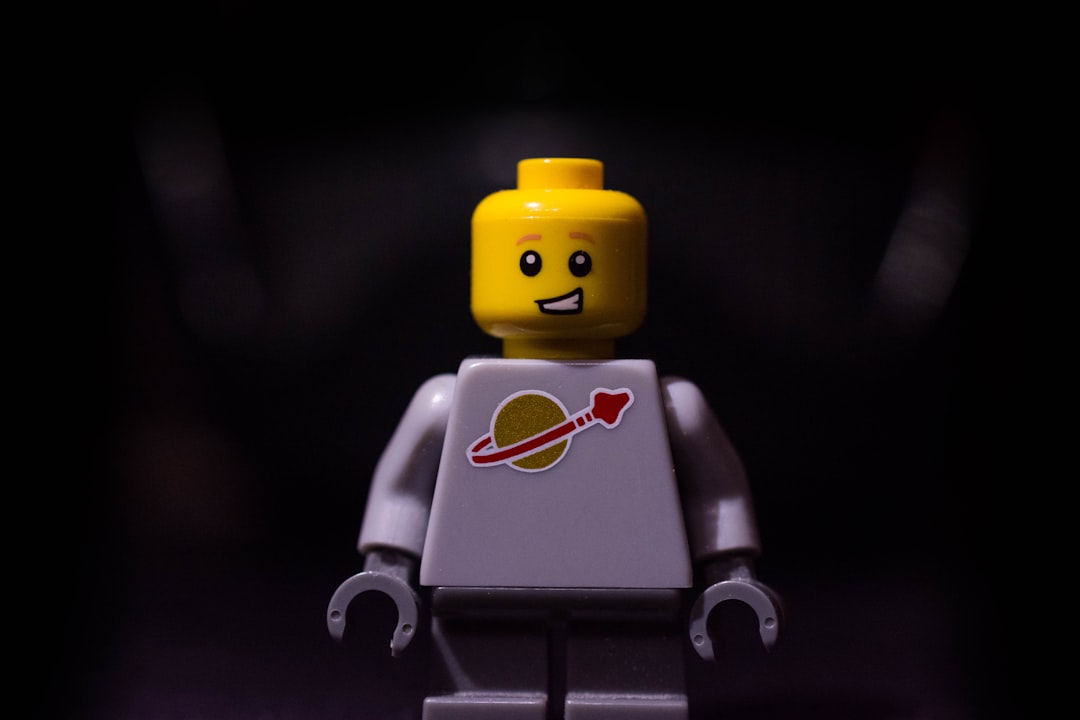
Explore the unexpected virality of everyday sounds and digital glitches, dissecting how they become essential tools for meme creators and digital storytellers.
In the fast-paced world of digital content, a simple sound effect can elevate a video from mundane to viral. From the satisfying crunch of a toy breaking to the jarring alert of a system error, these audio snippets tap into a shared cultural understanding, instantly conveying emotion, humor, or chaos. This article delves into five such sounds that have transcended their original contexts to become indispensable elements in the meme creator's toolkit, offering insights into their origins, usage, and the psychological hooks that make them so effective. Understanding these dynamics is key to mastering algorithm-optimized content creation and achieving high retention rates in today's competitive digital landscape.
About this sound
The 'lego breaking' sound effect is a classic example of how mundane real-world sounds find new life in digital culture. Originating from the distinct, satisfying crunch of LEGO bricks being pulled apart or stepped on, it has evolved into a universal audio cue for exaggerated destruction, comedic failure, or sudden, unexpected chaos. Its appeal lies in its immediate recognizability and the nostalgic connection many have with the toy. This sound often pairs well with other abrupt, humorous effects like the slap battles death sound or the dramatic flair of Windows XP Startup, amplifying the comedic impact of visual gags and unexpected turns in content.
Creators leverage the 'lego breaking' sound to punctuate moments of physical comedy, unexpected collapses, or ironic destruction. It's particularly effective in short-form video platforms like TikTok and Reels, where rapid-fire humor is king. Imagine a meticulously built structure crumbling, a character tripping, or even a metaphorical 'breakdown' in a narrative – this sound instantly communicates the intended effect. Its crisp, sharp quality cuts through background noise, ensuring maximum impact. It's a versatile sound, often used in conjunction with visual effects to enhance the feeling of something falling apart, much like how a well-placed Hypercharge Sound Effect can amplify an action sequence.
- Sync with objects falling apart or breaking.
- Use for comedic 'fail' compilations.
- Apply to exaggerate minor inconveniences.
- Combine with visual glitches for ironic effect.
A: It's a foley sound effect mimicking the distinct snap and crunch of LEGO bricks.
A: To denote sudden destruction, comedic failure, or a dramatic collapse of expectations.
A: While primarily comedic, it can be used ironically in serious contexts to highlight absurdity.
2. Daf Error
About this sound
The 'Daf Error' sound is a distinctive digital alert, often associated with system malfunctions or unexpected outcomes. Its sharp, almost jarring quality makes it an excellent choice for signaling a comedic mistake, a technical glitch, or a moment of digital confusion. Unlike more generic error sounds, the 'Daf Error' has a unique character that makes it instantly recognizable to those familiar with its origins, often in gaming or specific software environments. It serves a similar purpose to the abruptness of One scream TPOT, creating an immediate auditory signal that something has gone awry, or the playful alarm of Santos Meh Heh in a different context.
Content creators frequently deploy the 'Daf Error' sound to highlight humorous errors, unexpected plot twists, or moments where a character (or the creator themselves) makes a blunder. It's particularly effective when paired with on-screen text indicating a 'fail' or a 'system error,' enhancing the visual gag with an auditory punch. Its digital nature makes it perfect for tech-related memes, gaming montages, or any scenario where a digital interface is central to the humor. This sound's ability to instantly convey a sense of digital mishap makes it a powerful tool for engaging audiences and eliciting a quick laugh, much like the unexpected vocalization in WHAT HAVE YOU DONE RONALD.
- Mark a comedic failure or mistake.
- Signal a technical glitch in a video.
- Use in gaming montages for 'epic fails'.
- Pair with 'error' text overlays.
A: Typically a digital or system error, often used for comedic effect.
A: Best for content with a digital, tech, or gaming theme, or for general comedic fails.
A: Combine with visual cues like glitch effects or sudden screen changes.
About this sound
The 'WHAT HAVE YOU DONE RONALD' soundbite is a highly expressive vocal reaction, conveying exasperation, disbelief, and a touch of comedic despair. Its viral nature stems from its ability to perfectly encapsulate a moment of profound regret or the aftermath of a disastrous decision, often attributed to a specific individual. This sound is a prime example of how specific vocal inflections can become cultural shorthand for complex emotions, making it a powerful tool for meme creators. It shares a similar dramatic weight with other reaction sounds like Puke ariya wge, but with a more direct, accusatory tone, or the bewildered realization in Salut les connards.
Creators utilize 'WHAT HAVE YOU DONE RONALD' to highlight moments of catastrophic failure, humorous blame, or the dramatic reveal of a bad outcome. It's particularly effective in reaction videos, sketch comedy, and any content where a character's poor judgment leads to amusing consequences. The sound's inherent drama and comedic timing make it ideal for building anticipation before a reveal, or for punctuating the climax of a chaotic scene. Its distinct vocal delivery ensures it stands out, making the audience immediately aware of the gravity (or comedic gravity) of the situation, much like the impactful delivery of Dictator Mbappe's sound.
- Emphasize a character's bad decision.
- Use in reaction videos to a disastrous event.
- Punctuate comedic blame or accusation.
- Build anticipation before a chaotic reveal.
A: Exasperation, disbelief, comedic despair, and blame.
A: After a visual reveal of a mistake or a disastrous outcome.
A: Absolutely, using it for minor inconveniences can heighten the comedic irony.
About this sound
The 'Burger King guy on the plane' sound captures a specific moment of public absurdity, likely stemming from a viral video depicting an unusual or disruptive incident on an airplane. These types of sounds thrive on their specificity and the immediate mental image they conjure, making them powerful tools for creators looking to evoke a particular kind of cringe humor or relatable awkwardness. It's a sound that speaks to the shared experience of encountering bizarre public behavior, similar to the unexpectedness found in the ESPERMATOZOIDE VOADOR sound, or the general chaotic energy of backsrooms.
This sound is perfect for content that satirizes public etiquette, highlights awkward social situations, or simply points out strange occurrences. Creators can use it to underscore a character's inappropriate behavior, to comment on a bizarre news story, or to add a layer of surreal humor to an otherwise mundane scene. Its virality is often tied to the visual context of its origin, but its audio alone can trigger recognition and amusement among those in the know. Deploying this sound effectively can create a strong sense of shared experience with the audience, making them feel 'in on the joke,' much like the cultural resonance of Sata Andagi.
- Satirize public etiquette fails.
- Highlight awkward social situations.
- Comment on bizarre news or events.
- Add surreal humor to mundane scenes.
A: Content about public absurdity, awkwardness, or strange social encounters.
A: While originating from a visual, the sound itself can evoke the context for those familiar with it.
A: Use it in scenarios that resonate with common experiences of public oddities.
About this sound
The 'Dictator Mbappe' sound is a fascinating blend of sports culture and meme humor, likely stemming from a moment where the renowned footballer Kylian Mbappé exhibited a particularly assertive or commanding presence, leading to ironic comparisons with dictatorial figures. This sound's power lies in its ability to inject a sense of mock authority, grandiosity, or even playful villainy into content. It's a testament to how public figures can inadvertently become meme fodder, and how specific audio snippets can capture a fleeting cultural moment. It resonates with the dramatic weight of sounds like Garous theme, but with a more direct, human-centric comedic twist, or the commanding presence implied by Gear fourht bounce Man.
Creators employ 'Dictator Mbappe' to humorously portray dominance, unwavering confidence, or a character taking charge in an over-the-top manner. It's excellent for sports-related memes, satirical political commentary, or any scenario where a character needs an audio cue to signify their 'boss-like' attitude. The sound often carries an air of playful arrogance, making it perfect for comedic villain arcs or moments of exaggerated self-importance. Its specific cultural reference adds a layer of insider humor, appealing to audiences who appreciate niche meme content and clever juxtapositions, much like the specific cultural nod in Tun já é certo.
- Humorously portray dominance or authority.
- Use in sports memes for a 'boss' moment.
- Satirize leadership with an ironic tone.
- Emphasize a character's unwavering confidence.
A: It's an ironic meme sound referencing footballer Kylian Mbappé's commanding presence.
A: To playfully mock figures of authority or exaggerated displays of power.
A: No, its themes of dominance and authority make it versatile for various comedic scenarios.