Danh sách âm thanh
 Trang chủ
 Mới thêm
 Chủ đề
 Thịnh hành
 Phổ biến nhất
 Anime & Manga
 Trò chơi
 Meme
Meme Phim ảnh
 Âm nhạc
 Chính trị
 Trò đùa
 Reaction
 Hiệu ứng âm thanh
 Thể thao
 Truyền hình
 Xu hướng TikTok
 Lan truyền
 Âm thanh WhatsApp
 Điều khoản sử dụng
 Chính sách bảo mật
 Chính sách bản quyền DMCA
 Liên hệ với chúng tôi
 Về chúng tôi
From Radiator Springs to Duolingo: The Unexpected Journeys of Viral Audio
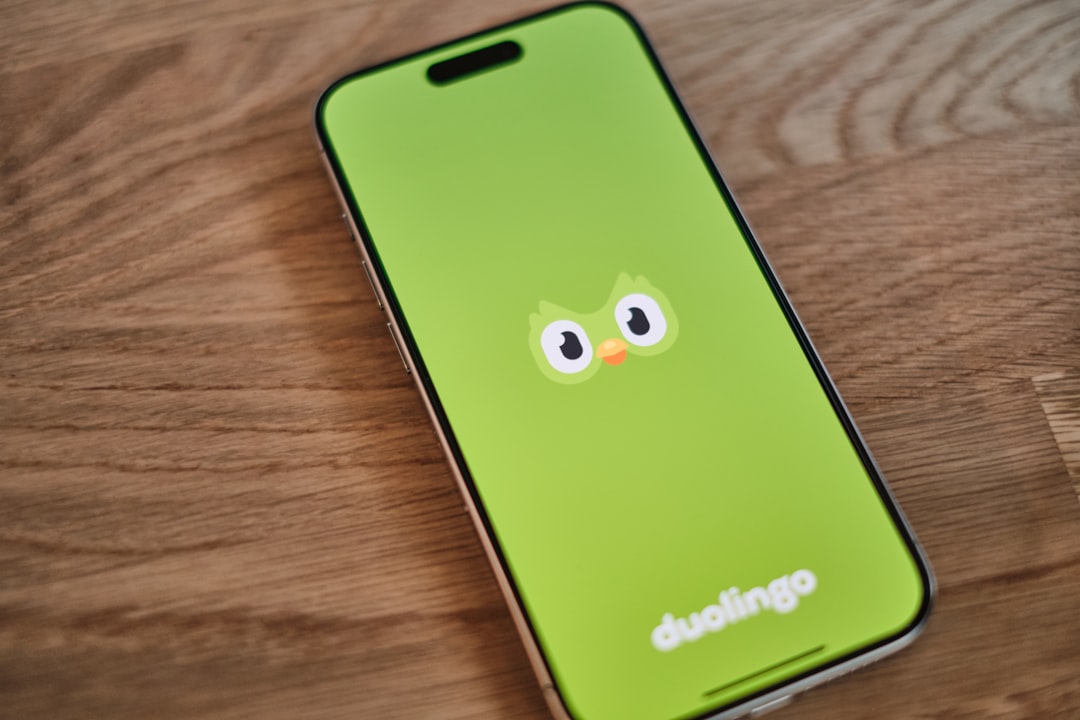
Explore the diverse origins of viral sounds, from the iconic "Mc Queen" catchphrase to the rhythmic chant of "mi bombo duolingo." This article delves into how sounds from movies, apps, and obscure corners of the internet become global meme phenomena.
The internet is a vast, unpredictable soundscape where any audio snippet can, with the right cultural resonance and algorithmic push, achieve viral stardom. This phenomenon transcends traditional media, pulling sounds from animated films, language-learning apps, and even solemn religious contexts, transforming them into universal meme currency. We're talking about the journey from a character's signature line like Mc Queen to the infectious rhythm of mi bombo duolingo. These sounds aren't just background noise; they are active participants in digital storytelling, capable of conveying complex emotions or punchlines in mere seconds. For digital creators, understanding these diverse origins and mastering their application is key to crafting content that not only captures attention but also fosters deep engagement. Join us as we explore five such sounds, dissecting their unique paths to virality and offering practical strategies for their integration into your next creative project.
1. Mc Queen
About this sound
The Mc Queen soundbite is instantly recognizable to anyone familiar with Disney Pixar's "Cars" franchise, specifically the catchphrase of its protagonist, Lightning McQueen: "Kachow!" or other confident declarations. This sound embodies speed, confidence, and a touch of playful arrogance, making it a popular choice for creators looking to inject a burst of energetic personality into their content. Its origin in a beloved animated film gives it a broad appeal, tapping into nostalgia for many viewers. It often accompanies moments of quick action, triumphant reveals, or even ironic self-aggrandizement. The sound's clear, enthusiastic delivery makes it highly effective for short, impactful moments, much like the decisive tone of Discipline GOON, but with a distinctly more cheerful vibe. It's a sound that brings a smile, similar to the playful nature of Yoshi Island music.
Creators utilize the Mc Queen sound to add a dynamic, confident, and often humorous flair to their videos. It's perfect for quick cuts, highlighting a successful action, or comically exaggerating a character's self-importance. The sound's association with a fast-paced, winning character makes it ideal for content that aims to be energetic and engaging. In short-form videos, it serves as an excellent auditory punctuation mark, signaling a moment of triumph or a playful boast. Its familiarity ensures immediate recognition and often elicits a positive emotional response from viewers, contributing to higher retention rates. Consider pairing it with fast-paced visuals or quick transitions to maximize its impact, creating a sense of momentum that keeps the audience hooked, much like the rapid-fire nature of Subway surfers really quiet can create a sense of urgency.
- Emphasize a moment of triumph or success in a video.
- Add a confident, energetic flair to character introductions.
- Use as a comedic boast or an ironic self-aggrandizing statement.
- Punctuate quick cuts or fast-paced action sequences.
A: It comes from the Disney Pixar movie "Cars," specifically the character Lightning McQueen.
A: Absolutely! It's often used to comically exaggerate confidence or a small, mundane victory.
A: Pair it with a quick zoom-in on the subject or a sudden, dynamic visual transition.
About this sound
The Si ghiut tropp annanz - Gomorra soundbite hails from the critically acclaimed Italian crime drama series "Gomorra." The phrase, delivered in Neapolitan dialect, translates roughly to "You've gone too far ahead" or "You've overstepped." It carries a heavy weight of warning, consequence, and often, impending doom, making it a powerful dramatic tool. Its origin in a gritty, realistic crime series gives it an authentic, intense edge, appealing to audiences who appreciate dark humor or dramatic tension. This sound is often used to punctuate moments of hubris, a character making a critical mistake, or a situation escalating beyond control. It shares a dramatic intensity with sounds like Barbero - Omicidio, both leveraging a sense of foreboding. The sound's specific cultural context makes it a niche but highly impactful meme, contrasting with the more universally comedic Пук с мемов.
Creators deploy Si ghiut tropp annanz - Gomorra to inject a serious, foreboding, or dramatically ironic tone into their content. It's perfect for moments where a character's actions have consequences, or when a situation is about to take a turn for the worse. The sound's authentic delivery and cultural weight add a layer of gravitas that can significantly enhance the narrative tension of a video. In short-form content, it can serve as a powerful cliffhanger or a punchline that underscores a character's misjudgment. Its distinct language and tone make it memorable and impactful, encouraging viewers to reflect on the implications of the depicted events. Consider pairing it with a slow zoom or a dramatic pause before a reveal, creating a sense of anticipation that keeps the audience on edge, much like the dramatic build-up that might precede a sound like C'est une catastrophe.
- Emphasize a character's critical mistake or overstepping boundaries.
- Create a sense of dramatic tension or impending doom.
- Use as a punchline for ironic situations where someone "goes too far."
- Punctuate a narrative moment where consequences are about to unfold.
A: It's Neapolitan for "You've gone too far ahead" or "You've overstepped."
A: It originates from the Italian crime drama series "Gomorra."
A: Yes, often ironically, to highlight someone's exaggerated overconfidence or a minor misstep.
3. Vatican
About this sound
The Vatican sound is often a short, reverent, or sometimes comically solemn audio clip associated with religious or formal settings. Its virality in meme culture typically stems from its unexpected deployment in mundane or irreverent contexts, creating a humorous juxtaposition between the sacred and the profane. This sound can evoke a sense of grandeur, formality, or even a playful sense of divine intervention. Its origins are varied, often sampled from documentaries, news reports, or even fictional portrayals of religious ceremonies. It shares a thematic connection with sounds that evoke a sense of authority or tradition, albeit often with an ironic twist, much like the formal yet meme-able quality of Barbero - Pezzettini. The sound's ability to instantly elevate the perceived importance of a moment makes it a unique tool, contrasting with the more direct humor of Emilie.
Creators utilize the Vatican sound to add a layer of mock solemnity, exaggerated importance, or ironic reverence to their content. It's perfect for moments where a mundane event is treated with undue gravity, or when a character is making a grand, perhaps over-the-top, pronouncement. The sound's inherent formality can create a comedic contrast when paired with informal visuals, leading to increased viewer engagement and shareability. In short-form videos, it can serve as an excellent punchline, transforming an ordinary situation into something comically epic. Its distinct auditory signature ensures immediate recognition and often elicits a chuckle from audiences familiar with its ironic usage. Consider pairing it with a slow pan or a dramatic zoom on an unsuspecting subject, creating a memorable and humorous effect, similar to how Александр Поляков can be used for an unexpected, formal introduction.
- Add a touch of mock solemnity to an everyday situation.
- Emphasize a grand, often ironic, pronouncement or reveal.
- Create a humorous juxtaposition between formal sound and informal visuals.
- Use as a punchline for situations treated with exaggerated importance.
A: Often reverent, solemn, or grand orchestral/choral sounds, used ironically.
A: While often used humorously, be mindful of cultural and religious sensitivities when deploying this sound.
A: Pair it with visuals of something completely trivial or absurd, creating a strong comedic contrast.
About this sound
The mi bombo duolingo sound is a vibrant and catchy audio clip that fuses the recognizable branding of the Duolingo language-learning app with an energetic, rhythmic chant. This sound's virality stems from its ability to evoke the persistent, sometimes aggressive, motivation associated with Duolingo's owl mascot, combined with a playful, almost chaotic energy. It's often used to exaggerate motivation, celebrate small achievements, or comically depict the relentless pursuit of language learning. Its origins are rooted in internet culture's playful subversion of popular apps. It shares a similar energetic, slightly unhinged quality with sounds like Trumpet goofy ahh, both designed to grab attention with their distinct, memorable character. The sound's infectious rhythm makes it highly shareable, a true testament to modern meme audio analysis.
Creators leverage mi bombo duolingo to inject a burst of enthusiastic, often ironic, motivation or chaotic energy into their content. It's perfect for montages of progress, comedic struggles with learning, or any situation requiring an exaggerated sense of determination. The sound's catchy rhythm and recognizable association with Duolingo make it highly engaging, encouraging viewers to tap into a shared cultural experience. In short-form videos, it serves as an excellent auditory hook, instantly signaling a playful, meme-aware tone. Its ability to convey both genuine effort and comedic exasperation makes it a versatile tool for digital creators. Consider pairing it with fast-paced edits or quick cuts to match its energetic tempo, creating a dynamic and highly retentive viewing experience, much like the rapid-fire nature of Korna tır can be used for sudden, attention-grabbing moments.
- Create a motivational montage for a challenging task.
- Comically depict the struggles or triumphs of learning something new.
- Use as an energetic transition between different segments.
- Emphasize a relentless pursuit or an exaggerated sense of determination.
A: It's a meme combining the Duolingo app's branding with an energetic, rhythmic chant.
A: No, it's a fan-created meme sound that incorporates elements associated with the app.
A: Pair it with visuals of overcoming challenges or achieving goals, even small ones, to create an uplifting yet humorous tone.
5. Yoshi Island
About this sound
The Yoshi Island sound refers to the iconic, cheerful, and instantly recognizable music from the "Yoshi's Island" video game. This sound evokes a strong sense of nostalgia, innocence, and playful adventure, making it a beloved choice for creators aiming to tap into a collective childhood memory. Its origins in a classic Nintendo game give it a broad, intergenerational appeal. It's often used to create a lighthearted, whimsical atmosphere, to signify a moment of innocent joy, or to comically underscore a simple, childlike action. The sound's gentle yet upbeat melody makes it highly versatile, capable of both genuine warmth and ironic humor. It shares a nostalgic, gaming-centric appeal with sounds like Trumpet AoE, both leveraging familiar gaming audio for meme purposes. The enduring charm of Yoshi Island makes it a timeless meme sound, contrasting with the more niche appeal of sounds like engelsk c.
Creators deploy the Yoshi Island sound to infuse their content with a sense of childlike wonder, nostalgia, or gentle humor. It's perfect for montages of innocent moments, wholesome content, or to comically underscore a simple, almost naive action. The sound's cheerful melody creates an immediate positive emotional response, making viewers feel a sense of comfort and joy. In short-form videos, it serves as an excellent background track for lighthearted skits or as a transition that signals a shift to a more playful tone. Its universal appeal ensures high retention and shareability, as many viewers will instantly recognize and appreciate the reference. Consider pairing it with bright, colorful visuals or scenes depicting simple pleasures, creating a cohesive and heartwarming experience, much like the comforting familiarity of salam aleykum can create a welcoming atmosphere.
- Create a nostalgic atmosphere for content related to childhood memories.
- Use as background music for wholesome or innocent video segments.
- Comically underscore a simple, almost naive action or reaction.
- Transition to a more lighthearted or playful tone in a video.
A: It's the iconic background music from the Super Nintendo game "Yoshi's Island."
A: Yes, it can be used ironically to highlight a mundane or slightly absurd situation with a cheerful, innocent soundtrack.
A: Its nostalgic and cheerful nature often elicits positive emotional responses, increasing watch time and shareability.