Danh sách âm thanh
 Trang chủ
 Mới thêm
 Chủ đề
 Thịnh hành
 Phổ biến nhất
 Anime & Manga
 Trò chơi
 Meme
Meme Phim ảnh
 Âm nhạc
 Chính trị
 Trò đùa
 Reaction
 Hiệu ứng âm thanh
 Thể thao
 Truyền hình
 Xu hướng TikTok
 Lan truyền
 Âm thanh WhatsApp
 Điều khoản sử dụng
 Chính sách bảo mật
 Chính sách bản quyền DMCA
 Liên hệ với chúng tôi
 Về chúng tôi
The Prankster's Playbook: Essential Reaction & Gag Sounds

Master the art of digital pranks and comedic timing with a deep dive into the most effective reaction and gag sounds for viral content.
The Prankster's Playbook: Essential Reaction & Gag Sounds
In the dynamic world of digital content, the perfect sound effect can elevate a simple moment into a viral sensation, especially when it comes to pranks and comedic reactions. These auditory cues are the secret weapons of digital pranksters and humorists, designed to elicit immediate laughter, shock, or dramatic tension. Mastering the strategic deployment of these sounds is crucial for creators aiming to craft content that is not only funny but also highly shareable and algorithmically optimized.
This article unveils five essential reaction and gag sounds that have dominated online prank culture, from the attention-grabbing LOUD ALARM to the universally understood Fart Meme Sound. We'll explore their origins, their psychological impact on unsuspecting viewers, and practical strategies for integrating them into your content to maximize comedic timing and viral potential. Prepare to sharpen your prankster skills and unleash a new level of auditory mischief.
1. LOUD ALARM
About this sound
The LOUD ALARM sound is a quintessential prank and reaction audio, designed to instantly grab attention and create a sense of urgency, panic, or comedic chaos. Its piercing frequency and abrupt onset make it a powerful tool for disrupting expectations and eliciting strong, immediate reactions. Whether used to simulate an emergency, punctuate a dramatic reveal, or simply startle an unsuspecting audience, its effectiveness lies in its primal ability to trigger an alert response. It's a masterclass in auditory interruption, often paired with visual jump scares or sudden cuts, much like the jarring impact of a Corneta de aire, or the sudden realization conveyed by a Shocked sound effect. It's a versatile tool for any content creator looking to inject instant drama or humor into a prank scenario.
The LOUD ALARM is a high-impact sound effect that instantly captures attention and creates a sense of urgency or comedic chaos. Its piercing frequency and abrupt onset make it perfect for signaling a dramatic reveal, a sudden failure, or an exaggerated warning. Digital creators use it to punctuate moments of surprise, emphasize a critical error in a prank, or to set up a comedic punchline where an ordinary situation is suddenly framed as an emergency. It's a powerful tool for controlling audience focus and driving immediate reactions, making it a staple in prank videos and reaction compilations.
- Signal a dramatic plot twist in a prank video.
- Emphasize a catastrophic fail during a challenge.
- Use as a comedic warning for a minor mistake.
- Create a sudden, attention-grabbing transition.
A: Its inherent ability to trigger an alert response and break scrolling patterns makes it an extremely effective tool for capturing immediate attention and emphasizing dramatic or comedic moments in prank scenarios.
A: Yes, due to its high impact, frequent or prolonged use can desensitize the audience and lead to annoyance. It's best used sparingly for maximum effect and surprise.
A: Sudden cuts, flashing lights, quick zooms on surprised faces, or text overlays like "WARNING!" or "PRANKED!" can significantly enhance the sound's intended impact.
About this sound
The "let her go by passenger" sound, specifically the melancholic instrumental snippet from the song, has become a viral meme audio used to punctuate moments of dramatic realization, loss, or exaggerated sadness. In prank culture, it's often deployed ironically after a "reveal" where someone has lost something, failed, or been left behind in a humorous context. Its virality stems from the song's widespread recognition and its ability to instantly evoke a sense of poignant, albeit often exaggerated, emotion. It's a sound that thrives on dramatic irony, turning minor setbacks into cinematic tragedies for comedic effect. It shares a similar dramatic, yet often ironic, tone with the El violín más pequeño del mundo when mocking someone's exaggerated complaints, and can be used to underscore the sudden emotional shift often accompanied by a Shocked sound effect. It's a powerful tool for adding a layer of mock-seriousness to lighthearted pranks.
The "let her go by passenger" sound functions as a dramatic, often ironic, underscore for moments of loss, failure, or exaggerated sadness. Its melancholic melody is perfect for punctuating the "reveal" in a prank, highlighting a character's mock despair, or adding a layer of cinematic irony to a minor setback. Creators use it to emphasize a prank victim's reaction, to comically lament a lost item, or to simply add a touch of poignant, yet humorous, drama to their content. It's a subtle yet effective way to manipulate audience emotions and enhance the comedic impact of a prank.
- Punctuate the reveal of a "lost" item in a prank.
- Use for a character's exaggerated sadness over a minor issue.
- Add to videos showcasing comedic failures or setbacks.
- Employ ironically when someone is left out or behind.
A: Its melancholic melody is used ironically to exaggerate feelings of loss or sadness after a prank's reveal, turning minor setbacks into comedic tragedies.
A: By pairing a serious, emotional song with a trivial or humorous situation, it creates a comedic contrast that highlights the absurdity of the exaggerated reaction.
A: While the original song is serious, its meme usage is primarily ironic. For genuine emotional content, using the full song or a different, non-meme audio might be more appropriate.
About this sound
The Corneta de aire (air horn) sound is a classic, high-impact gag audio, universally recognized for its ability to startle and grab immediate attention. In prank culture, it's a go-to sound for jump scares, sudden interruptions, or to emphasize a moment of extreme hype or chaos. Its virality stems from its raw, unfiltered power to elicit a strong, visceral reaction from listeners. It's a sound that thrives on surprise and disruption, making it perfect for content that aims for immediate, high-energy impact. It shares a similar disruptive quality with the LOUD ALARM in signaling urgency, but with a more celebratory or chaotic connotation, and can be used to amplify the suddenness often associated with a Shocked sound effect. It's a versatile tool for any content creator looking to inject instant energy or comedic shock into a prank.
The Corneta de aire sound functions as an explosive, attention-grabbing audio cue, perfect for startling audiences or punctuating moments of extreme excitement or chaos. Its loud, piercing blast is ideal for jump scares, sudden reveals, or to emphasize a comedic "drop" in a video. Creators use it to punctuate a prank victim's reaction, to comically celebrate a minor victory with exaggerated fanfare, or to simply add a layer of high-energy, disruptive humor to their edits. It's a powerful tool for controlling audience focus and driving immediate, often startled, reactions in fast-paced prank content.
- Use for a sudden jump scare in a prank video.
- Punctuate a dramatic reveal or "gotcha" moment.
- Add to montages of chaotic or high-energy events.
- Employ ironically for a minor, exaggerated celebration.
A: Its loud, sudden, and piercing nature is designed to startle and grab immediate attention, making it perfect for jump scares and unexpected comedic interruptions.
A: Yes, due to its high impact and potential for annoyance, it's best used sparingly and strategically to maintain its effectiveness and avoid irritating the audience.
A: Quick cuts, sudden zooms on surprised faces, flashing lights, or text overlays like "GOTCHA!" can significantly amplify the intended shock and comedic effect.
About this sound
The Fart Meme Sound is a timeless classic in the prankster's arsenal, universally understood as a signal of awkwardness, failure, or pure, unadulterated silliness. Its appeal lies in its low-brow, yet undeniably effective, humor, instantly deflating serious moments and injecting an element of childish glee. In prank scenarios, it's often deployed to comically embarrass a victim, punctuate a failed attempt, or simply add an element of unexpected gross-out humor. Its virality stems from its clear comedic communication and its ability to create a jarring contrast that amplifies the comedic impact. This sound is a masterclass in auditory disruption, often used in conjunction with other reaction sounds like the Shocked sound effect, or to punctuate a moment of exaggerated embarrassment, much like the feeling evoked by the I'm new bro sound when someone is clearly out of their depth. It's a staple for any content creator looking to inject instant, undeniable humor.
The Fart Meme Sound works by instantly breaking tension and injecting a dose of unexpected, often crude, humor into prank scenarios. Its short, distinct acoustic profile makes it ideal for quick punchlines or abrupt transitions. Creators use it to underscore a prank victim's blunder, to comically censor a word in a reaction, or to simply add a layer of absurdism to any situation. It's a powerful tool for eliciting laughter and signaling that the content is not to be taken seriously, often used in similar comedic contexts as the Cow Moo sound for unexpected silliness.
- Drop during an 'intellectual' explanation to deconstruct the mood.
- Use as a replacement for censored swear words.
- Trigger when someone trips or makes a minor physical mistake.
- Layer it under a serious political or corporate clip for irony.
A: Its universal, low-brow humor and ability to instantly inject comedy into any situation make it highly accessible and effective for breaking tension and eliciting laughs from prank victims and viewers.
A: No, it is widely considered cartoonish and safe for most platforms, making it a versatile choice for broad audiences in prank content.
A: Precision is key. Drop it exactly at the comedic beat, often followed by a short, awkward silence to maximize its impact and allow the absurdity to land for the victim and audience.
About this sound
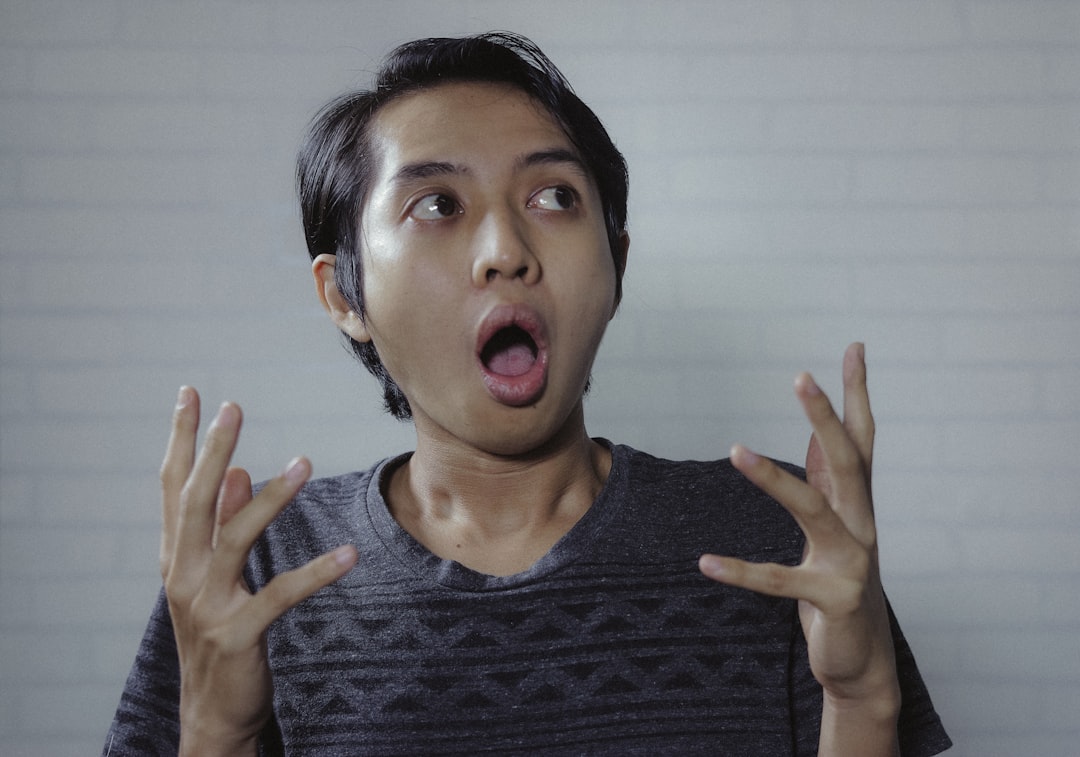
The Shocked sound effect is an indispensable tool in the prankster's playbook, instantly conveying surprise, disbelief, or sudden realization. Its sharp, often high-pitched nature is designed to grab attention and emphasize a moment of unexpected revelation, making it perfect for capturing a prank victim's reaction. This sound is a staple in reaction videos, comedic skits, and any content where a dramatic shift in understanding or an unforeseen event occurs. Its virality stems from its clear emotional communication, making it a universal shorthand for "wait, what just happened?" It's a powerful tool for controlling narrative pacing and eliciting a strong, immediate emotional response from the audience, much like the sudden impact of a LOUD ALARM, or the jarring effect of a Corneta de aire. It's a sound that perfectly encapsulates the internet's love for dramatic reveals and unexpected twists.
The Shocked sound effect is a high-impact audio cue that instantly conveys surprise or disbelief, making it ideal for capturing and emphasizing a prank victim's reaction. Its abrupt nature is perfect for punctuating dramatic reveals, unexpected plot twists in a prank, or moments of comedic realization. Creators use it to highlight a character's sudden understanding of being pranked, to emphasize a viewer's potential reaction to new information, or to simply add a layer of dramatic flair to an otherwise mundane event. It's a key tool for controlling the emotional arc of a prank video and ensuring that critical moments land with maximum impact.
- Emphasize a prank victim's reaction to the reveal.
- Use for a character's sudden understanding in a skit.
- Punctuate an unexpected event in a vlog.
- Highlight a surprising statistic or fact.
A: It provides an instant auditory cue for surprise and disbelief, amplifying the victim's reaction and making the prank more impactful and shareable.
A: Yes, its versatility allows it to convey both pleasant surprises (e.g., a fake gift reveal) and negative shocks (e.g., a sudden scare), depending on the visual context of the prank.
A: Quick cuts, close-ups on facial expressions, question marks, or exclamation points can significantly amplify the intended feeling of surprise or disbelief for both the victim and the audience.