Danh sách âm thanh
 Trang chủ
 Mới thêm
 Chủ đề
 Thịnh hành
 Phổ biến nhất
 Anime & Manga
 Trò chơi
 Meme
Meme Phim ảnh
 Âm nhạc
 Chính trị
 Trò đùa
 Reaction
 Hiệu ứng âm thanh
 Thể thao
 Truyền hình
 Xu hướng TikTok
 Lan truyền
 Âm thanh WhatsApp
 Điều khoản sử dụng
 Chính sách bảo mật
 Chính sách bản quyền DMCA
 Liên hệ với chúng tôi
 Về chúng tôi
The Global Language of Laughter: Exploring International Meme Sounds
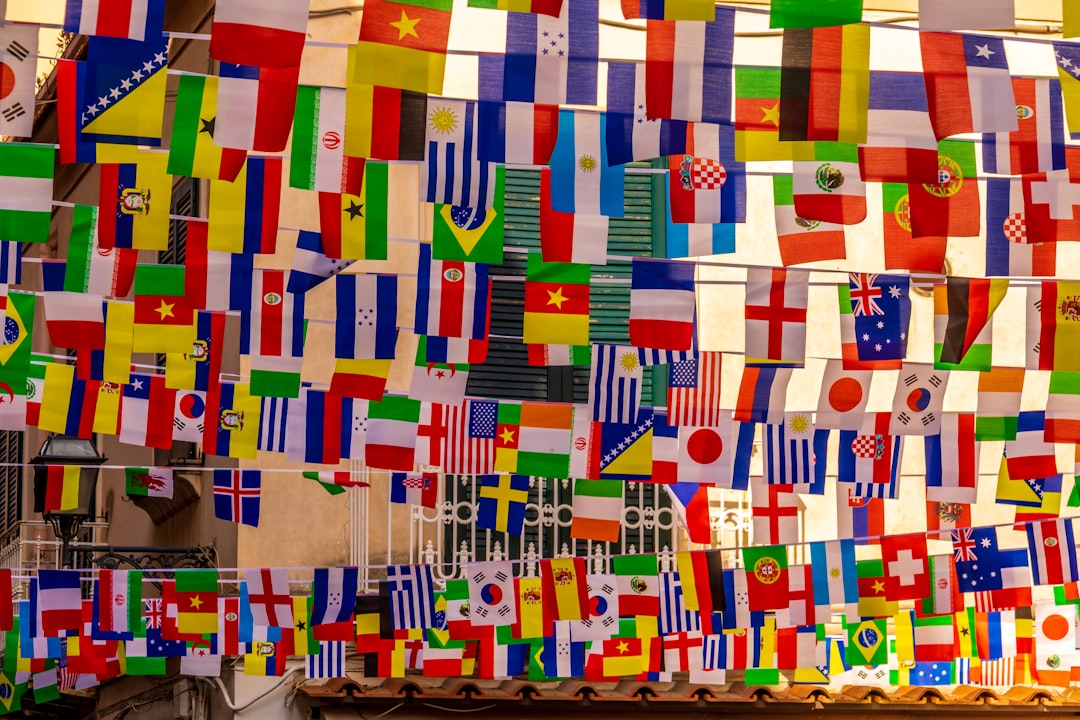
Dive into the diverse world of international meme sounds, from the energetic "Aia Gei" to the intriguing "J'ai envie de te cuireee," and uncover their universal appeal.
Meme culture is a global phenomenon, and nowhere is this more evident than in the diverse array of international sound clips that capture collective attention. These audio snippets, often originating from specific cultural contexts, quickly transcend their linguistic boundaries to become universal symbols of humor, surprise, or relatable emotion. This article explores five such sounds, demonstrating how their unique characteristics and adaptable nature make them invaluable assets for digital creators aiming to connect with a broad audience. From the playful energy of Aia Gei to the dramatic flair of J'ai envie de te cuireee, we dissect the elements that propel these sounds into viral stardom, offering insights into their effective application in modern digital media.
1. Ая гэй
About this sound
The sound Ая гэй is a short, energetic vocalization that has gained traction in meme culture for its versatility in expressing sudden surprise, playful exasperation, or a quick, attention-grabbing interjection. Its sharp, distinct delivery makes it highly effective for comedic timing and unexpected transitions in short-form video content. This sound is often used to punctuate a moment of realization or a quick reaction, much like the immediate impact of Get Up Craig, but with a more exclamatory and less demanding tone. It can also serve as a lighthearted counterpoint to more intense sounds like Som do Cabeça de Gelo.
Creators frequently deploy Ая гэй to add a burst of energy or a humorous reaction to their edits. Its brevity and clear articulation ensure it stands out, making it ideal for quick cuts and punchlines. Digital strategists often use it in videos where a character encounters something unexpected, makes a silly mistake, or simply needs a quick, audible exclamation. The sound's playful nature allows it to fit into a wide range of comedic scenarios, from lighthearted skits to more elaborate meme constructions. Its high-retention value comes from its ability to deliver an instant, recognizable emotional cue that resonates with viewers across different cultural backgrounds.
- Adding a quick, energetic reaction to a video.
- Highlighting moments of playful surprise or realization.
- Creating humorous interjections in short skits.
- Punctuate a character's silly mistake or blunder.
A: It typically conveys sudden surprise, playful exasperation, or a quick, energetic interjection.
A: It's very short, which is crucial for quick cuts and punchlines in fast-paced digital content, ensuring it doesn't slow down the edit.
A: While primarily comedic, its energetic nature can also be used to signify a sudden, impactful moment in more dramatic content, depending on the visual pairing.
About this sound
The sound Japaleta Moria Sanguches is a unique and somewhat whimsical phrase, likely originating from a specific cultural reference, possibly Spanish-speaking television or internet content. Its distinct pronunciation and rhythmic quality make it memorable and often used for comedic effect, particularly when introducing a quirky character or an absurd situation. This sound offers a lighter, more playful alternative to intense audio like Som do Cabeça de Gelo, and can be effectively paired with other meme sounds that evoke a sense of lighthearted chaos, such as Aia Gei.
Creators utilize Japaleta Moria Sanguches to inject a sense of quirky humor or to signal an unexpected, often food-related, reveal. Its slightly nonsensical yet catchy nature makes it highly shareable and effective in short-form video. For digital strategists, this sound is perfect for content that aims for a playful, slightly surreal vibe. Imagine using it to introduce a bizarre food combination, a character with an unusual hobby, or a humorous cooking mishap. The sound's charm lies in its ability to create an immediate, smile-inducing moment, making it a valuable tool for boosting engagement and fostering a sense of shared inside joke among viewers.
- Introducing unusual food creations or recipes.
- Highlighting quirky character traits in skits.
- Adding a surreal, lighthearted touch to everyday scenes.
- Creating humorous transitions between unrelated topics.
A: It likely originates from Spanish-speaking popular culture, possibly television or internet memes, given the words "japaleta" and "sanguches" (sandwiches).
A: It's used for comedic effect, often to introduce quirky elements, unusual food, or characters with eccentric personalities.
A: While the individual words have meanings, its meme usage is more about its catchy, slightly nonsensical sound and the humorous context it creates.
About this sound
The sound Som do cabeça de gelo, translating to "Ice Head Sound," is a Brazilian Portuguese meme sound that typically carries a sense of coolness, detachment, or an almost robotic, unfeeling demeanor. It's often associated with characters or situations that exhibit extreme calmness under pressure, or a lack of emotional response in scenarios where one would expect a strong reaction. This sound provides a stark contrast to highly emotional sounds like J'ai envie de te cuireee, and can be used to emphasize a character's stoicism or an absurdly calm reaction to chaos, much like the deadpan delivery of Get Up Craig.
Creators leverage Som do cabeça de gelo to highlight moments of extreme composure or ironic detachment. It's particularly effective in gaming content where a player pulls off an incredible feat with an unbothered attitude, or in skits where a character remains unfazed by surrounding chaos. For digital strategists, this sound is excellent for building a specific character archetype or adding a layer of dry humor. Imagine using it when a character delivers a witty comeback with a straight face, or when a situation escalates dramatically but one individual remains completely calm. Its unique cultural origin adds an authentic touch, while its universal message of 'cool under pressure' ensures broad appeal.
- Highlighting a character's stoic reaction to chaos.
- Emphasizing coolness under pressure in gaming clips.
- Adding dry, ironic humor to dramatic scenarios.
- Showcasing an unbothered attitude in challenging situations.
A: It's Portuguese for "Ice Head Sound," implying coolness, detachment, or an unfeeling demeanor.
A: It's often used in gaming and comedic skits to emphasize a character's extreme calmness, stoicism, or ironic lack of reaction.
A: It helps define a character as unflappable, emotionally detached, or incredibly cool, often for humorous or aspirational effect.
About this sound
The French phrase J'ai envie de te cuireee, which translates to "I want to cook youuu," is a meme sound that derives its humor from its unexpected and slightly menacing, yet often playful, declaration. The elongated "cuireee" adds a dramatic, almost theatrical flair, making it perfect for comedic exaggeration. This sound is a fantastic tool for creators looking to inject dark humor or a touch of absurd menace into their content. It contrasts sharply with the detached vibe of Som do Cabeça de Gelo, offering a more direct and emotionally charged comedic option, and can be used to create a memorable, slightly unsettling punchline, much like the sudden exclamations found in Aia Gei.
Digital strategists utilize J'ai envie de te cuireee to create moments of comedic tension or playful threats. Its unique blend of a common verb with an unusual context makes it instantly memorable and shareable. Creators often pair it with visuals of someone looking mischievous, a character making an outlandish declaration, or even in cooking-related content where the sound adds an ironic twist. The elongated vocalization is key to its viral appeal, drawing out the suspense before the humorous payoff. This sound excels in short-form videos where a quick, impactful audio cue can drastically alter the tone of a scene, turning an ordinary moment into something hilariously sinister or absurd.
- Adding dark humor to a character's dialogue.
- Creating comedic tension in a short skit.
- Punctuate an outlandish or playful threat.
- Injecting an ironic twist into cooking content.
A: It's French for "I want to cook youuu," with the "eee" adding an elongated, dramatic effect.
A: It's used for comedic effect, often to convey a playful threat, dark humor, or an absurd, unexpected declaration.
A: Its unexpected context, combined with the dramatic, elongated vocalization, makes it memorable and highly shareable in short-form content.
5. Get Up Craig
About this sound
The sound Get Up Craig is a direct and commanding vocal snippet that has become a staple in meme culture for its ability to convey urgency, exasperation, or a firm call to action. Its clear, no-nonsense delivery makes it instantly recognizable and highly effective for punctuating moments where someone needs to be roused, motivated, or simply told to get moving. This sound offers a stark, direct contrast to the more whimsical nature of Japaleta Moria Sanguches, and can be paired with visuals of someone struggling to perform a task or needing a push, similar to the motivational undertones found in Som do Cabeça de Gelo, but with a more active directive.
Creators frequently use Get Up Craig to add a comedic or dramatic emphasis to situations requiring immediate action. It's particularly effective in content featuring characters who are lazy, unmotivated, or simply stuck in a predicament. Digital strategists find this sound invaluable for creating relatable scenarios that resonate with viewers who've experienced similar calls to action. Imagine using it in a skit where a character is procrastinating, a gaming video where a teammate needs to revive, or a motivational clip with an ironic twist. Its straightforward nature ensures clear communication of intent, while its meme status adds a layer of shared cultural understanding, boosting engagement and shareability.
- Motivating a character in a comedic skit.
- Highlighting a call to action in a gaming video.
- Adding urgency to a scene where someone is stuck.
- Punctuate moments of exasperation with a direct command.
A: It's used to convey urgency, exasperation, or a direct command for someone to take action or get moving.
A: Skits featuring lazy characters, gaming videos needing a call to action, or any content where a direct, motivating push is required.
A: In meme culture, "Craig" often becomes a generic placeholder for anyone needing a push, making the sound broadly applicable regardless of the original context.