Giới thiệu về âm thanh này

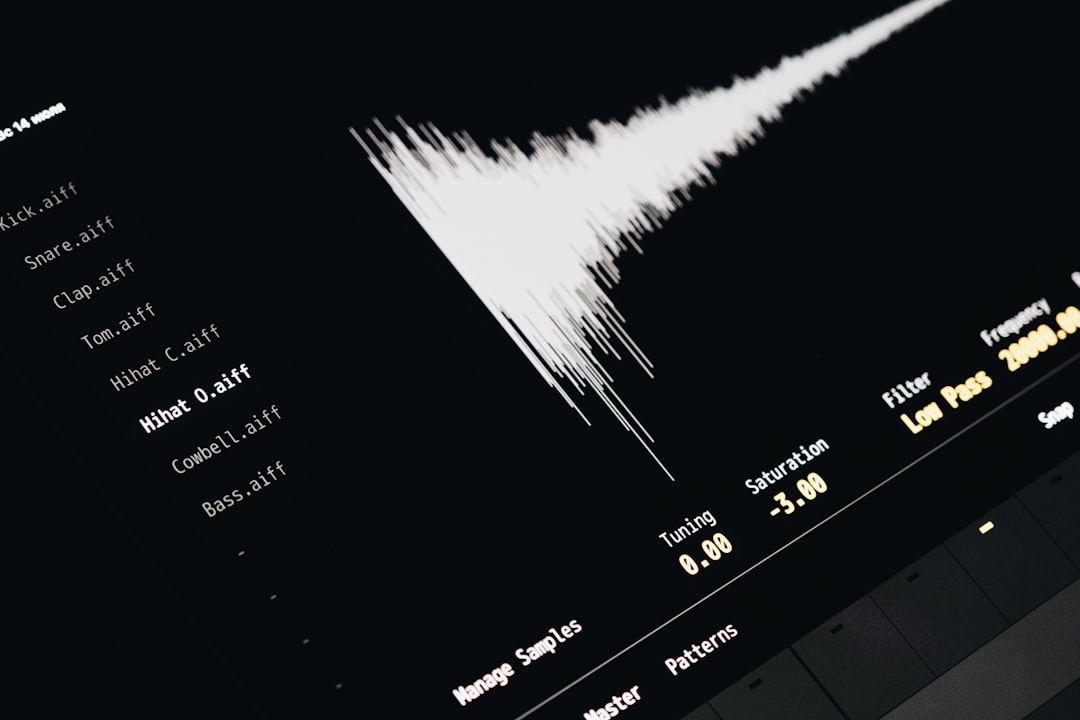
A short sitcom-style canned laughter clip used like a TV audience reaction. People add it after awkward jokes, fails, or corny one-liners for comic timing.

This sound is a brief burst of classic sitcom laugh track audio, the kind of big audience laughter you hear after a punchline in older TV comedies. It has that instantly recognizable canned, room-filling reaction that turns even a weak joke into an intentionally cheesy moment. Used in edits, it signals sarcasm, mock success, or secondhand embarrassment. The effect on a viewer is immediate: it frames the scene like a sitcom, making awkward pauses, bad puns, and obvious punchlines feel more exaggerated and funny.

This type of sound comes from the long TV tradition of laugh tracks and studio audience reactions used in sitcoms. Rather than pointing to one single source, online creators use short laughter clips like this to recreate the feel of classic television comedy. It spread in memes, YouTube edits, and short-form videos because the joke reads instantly: the sound tells viewers a line is supposed to be funny. It is still popular because it adds familiar comic timing in only a few seconds, much like clapping or a fail sting.

Mẹo sử dụng chuyên nghiệp

Drop this right after the punchline or a dead-stare reaction, not on top of dialogue. It works best after a tiny pause, especially when paired with a freeze frame, zoom, or cheesy title card.

Trường hợp sử dụng

  • Adding irony after a bad joke lands poorly.
  • Mocking awkward small wins like sitcom punchlines.
  • Punching up dad jokes in short comedy edits.
  • Turning cringe dialogue into a fake TV moment.

Câu hỏi thường gặp

What is this sitcom laugh sound?
It is a short canned laughter or audience laugh track clip, similar to the reactions used in television sitcoms after jokes. Creators use it to make a moment feel staged, cheesy, ironic, or intentionally overplayed.
Where is this laugh track sound from?
This clip represents the general style of sitcom laugh tracks rather than a clearly identified single show. Laugh tracks have been a staple of television comedy for decades, which is why the sound feels so familiar in memes and edits.
How do people use this sound in videos?
Most people place it right after a corny joke, awkward pause, or obvious fail to imitate a sitcom punchline. It is especially common in meme edits, reaction videos, and short clips that parody TV comedy timing.

Phổ biến nhất

Xem tất cả