Từ khóa liên quan

Giới thiệu về âm thanh này

A short, twangy buildup boing from the 1942 Donald Duck cartoon Donald's Gold Mine, used for comic reveals, quick reactions, and sudden motion.

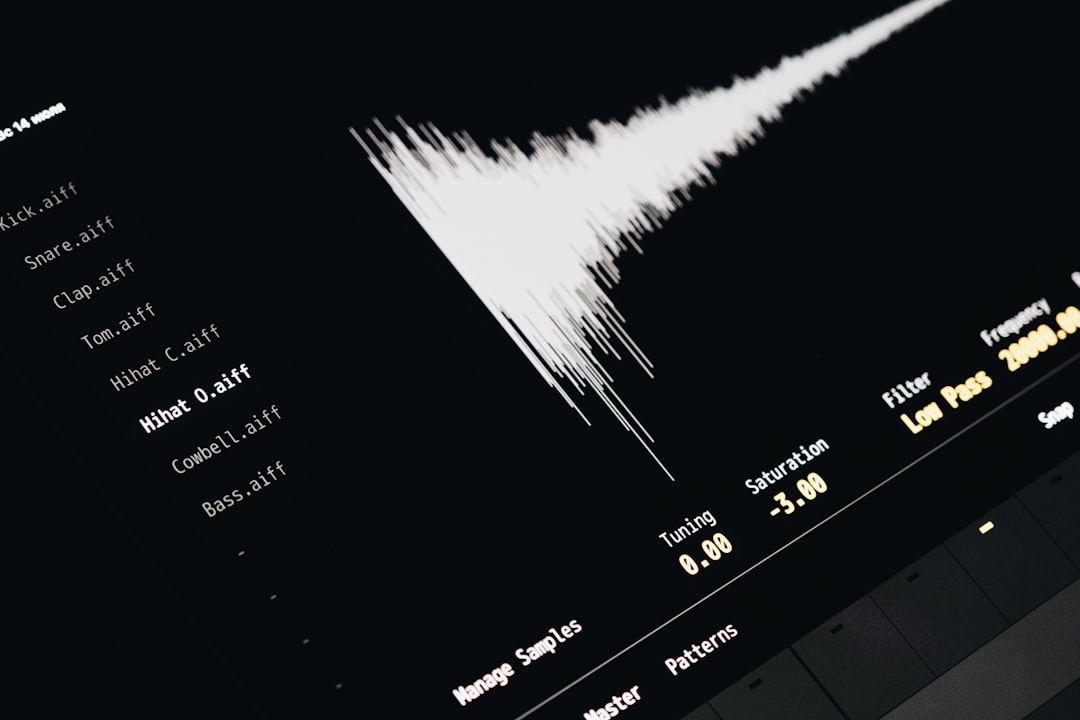
This 209-millisecond effect is a compact, springy boing with the metallic twang of a jaw harp. Its pitch bends rapidly, creating the impression of tension snapping loose or an object bouncing into place. Because the sound ends almost as soon as it begins, it adds comic energy without interrupting dialogue or slowing a scene. The exaggerated wobble works especially well with cartoon movement, surprised expressions, visual transformations, and sudden appearances. It gives even a small action a playful, elastic quality that viewers immediately recognize as classic animation humor.

The effect is associated with Donald's Gold Mine, a Donald Duck animated short released in 1942, and is credited in the supplied description to Disney sound-effects artist Jimmy MacDonald. Its brief, jaw-harp-like twang reflects the expressive sound design used to give early cartoon movement extra weight and personality. Similar boings later became a familiar part of animation and comedy editing. This clip remains useful because its 209-millisecond duration delivers a clear comic accent while leaving surrounding speech, music, and action unobstructed.

Mẹo sử dụng chuyên nghiệp

Place the boing exactly on the frame where an object pops up or a character reacts. Pair it with a fast zoom or squash-and-stretch motion, but avoid layering it over loud dialogue or another pitched effect.

Trường hợp sử dụng

  • Accenting a character springing upright after a surprise.
  • Marking a funny object popping into the frame.
  • Adding bounce to a quick animated transformation.
  • Punctuating a sudden zoom onto a confused expression.

Câu hỏi thường gặp

What is the Buildup Boing sound effect?
It is a very short, twangy cartoon effect resembling a jaw harp or flexible spring. The pitch bends quickly, producing a playful boing suited to sudden movement, visual surprises, transformations, and exaggerated reactions.
Where does the Buildup Boing sound come from?
The supplied source information associates it with Donald's Gold Mine, a Donald Duck cartoon released in 1942, and credits sound-effects artist Jimmy MacDonald with its creation. The clip is only 209 milliseconds long.
How should creators use this boing sound?
Sync it tightly to the instant a character jumps, an object appears, or a reaction shot zooms in. Its sharp tonal bend works best as a single comic accent rather than as background audio or a repeated loop.

Phổ biến nhất

Xem tất cả