您的音效板
您的音效板 首頁
首頁 新
新 主題
主題 熱門
熱門 最受歡迎
最受歡迎 动漫和漫画
动漫和漫画 游戏
游戏 迷因
迷因 电影
电影 音乐
音乐 政治
政治 恶作剧
恶作剧 反应
反应 音效
音效 体育
体育 电视
电视 TikTok 趋势
 病毒式传播
病毒式传播 WhatsApp 音频
 使用條款
使用條款 隱私政策
隱私政策 DMCA 版權政策
 聯繫我們
聯繫我們 關於我們
關於我們The Art of the Unexpected: Mastering Viral Audio Drops
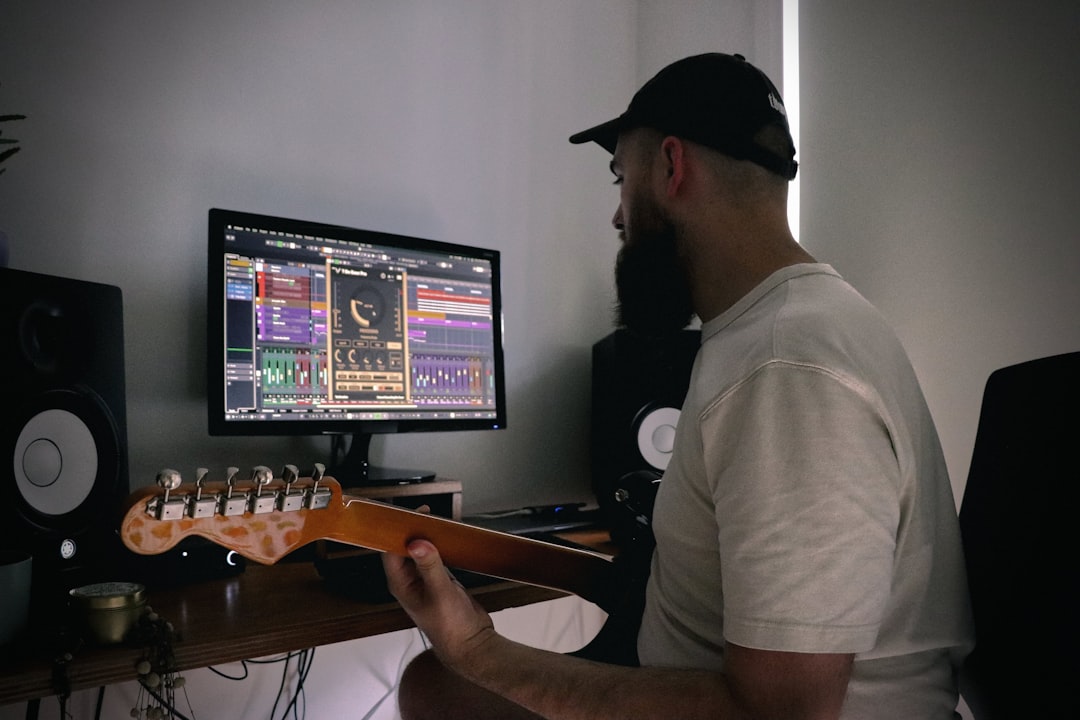
Explore how sudden, impactful audio drops like 'I Almost Died' and 'Vine Boom' capture attention and drive engagement across digital platforms, offering creators strategies for optimal use.
In the fast-paced world of digital content, capturing and holding audience attention is paramount. One of the most effective tools in a creator's arsenal is the unexpected audio drop – a sudden, often humorous or dramatic soundbite that punctuates a moment, amplifies a reaction, or completely shifts the tone of a video. These viral audio snippets, from the relatable panic of I Almost Died to the universally recognized punctuation of the Vine Boom Meme Sound, are more than just background noise; they are carefully deployed psychological triggers designed to interrupt scrolling behavior and embed content deeper into the cultural consciousness. Understanding the timing, context, and psychological impact of these sounds is key to transforming ordinary clips into viral sensations. This article delves into five such iconic audio drops, offering insights into their origins, cultural significance, and practical advice for creators looking to leverage their power.
About this sound
Originating from the TV show Workaholics, the phrase I Almost Died captures a moment of exaggerated relief and near-catastrophe. Its virality stems from its universal relatability to everyday close calls, from minor mishaps to genuinely startling moments. It's a sound that instantly communicates a brush with disaster, often with a comedic undertone, making it perfect for reaction content and storytelling. The sound's appeal lies in its dramatic delivery, which can be applied to a wide range of situations, much like the versatile Oh Hell Nah Twin sound, which also conveys a strong, immediate reaction.
This sound is a masterclass in comedic timing, often used to punctuate a moment of perceived danger or extreme surprise. Creators deploy I Almost Died to amplify reactions to jump scares in gaming, near-misses in real-life vlogs, or even as an ironic response to minor inconveniences. Its dramatic inflection ensures that the audience immediately understands the gravity (or humorous exaggeration) of the situation, making it a highly effective tool for engagement. It works by creating a sudden emotional spike, drawing viewers deeper into the narrative, similar to how the Nottt Funny sound can abruptly shift a comedic tone.
- Sync with a sudden visual scare or surprise.
- Use as a punchline for a relatable, minor inconvenience.
- Combine with a freeze-frame for dramatic emphasis.
- Integrate into gaming montages for epic fails or close calls.
A: It's ideal for moments of exaggerated relief or comedic near-disasters.
A: While often comedic, its dramatic delivery can also underscore genuine moments of surprise or fear.
A: Its sudden impact creates a memorable moment, making the content more engaging and shareable.
About this sound
The Vine Boom Meme Sound is arguably one of the most recognizable and versatile sound effects in internet history. Originating from the now-defunct Vine platform, its distinct, deep 'boom' sound became a universal signifier for sudden realization, dramatic emphasis, or comedic timing. Its enduring popularity across TikTok and Reels speaks to its effectiveness in instantly drawing attention and adding a layer of meta-commentary to visual content. It's often paired with a sudden zoom or visual gag, much like how the Pop Sound can be used for quick, impactful emphasis.
Creators use the Vine Boom Meme Sound to punctuate virtually any moment requiring a sudden, impactful emphasis. It's a go-to for revealing a plot twist, highlighting an absurd detail, or marking a moment of comedic shock. The sound's abruptness and low-frequency rumble create a visceral reaction, making viewers pause and focus on the accompanying visual. Its power lies in its ability to instantly elevate a mundane clip into something more engaging and shareable, often signaling a moment of ironic seriousness or playful absurdity, similar to the dramatic flair of Fart with more reverb when used unexpectedly.
- Align with a sudden visual reveal or jump cut.
- Use to emphasize a character's shocked expression.
- Integrate into comedic skits for dramatic effect.
- Pair with text overlays for impactful statements.
A: Its distinct sound and versatility make it a universal tool for comedic and dramatic emphasis.
A: Use it sparingly for maximum impact; reserve it for truly pivotal or surprising moments.
A: Its broad appeal makes it suitable for almost any genre, from vlogs to gaming.
3. Nottt Funny
About this sound
The Nottt Funny soundbite delivers a deadpan, almost exasperated declaration that something is decidedly *not* amusing. This sound has gained traction for its ability to convey a sense of ironic disapproval or a genuine lack of humor in a situation that others might find funny. It's a perfect counterpoint to overly enthusiastic reactions, often used to highlight the absurdity of a situation or to express a relatable sense of being unimpressed. Its dry delivery makes it a powerful tool for comedic timing, much like the understated humor found in some uses of Evil anderdingus.
Creators leverage Nottt Funny to inject a dose of reality or ironic detachment into their content. It's frequently used in reaction videos where a creator is presented with something meant to be humorous but falls flat, or in skits where a character is the straight man to chaotic antics. The sound's power lies in its ability to subvert expectations, creating a comedic beat that resonates with viewers who appreciate dry wit. It's an excellent choice for moments where a subtle, yet impactful, expression of disapproval is needed, contrasting with the more overt reactions like Oh hell nah twin.
- Follow a visual gag that fails to amuse.
- Use in skits to highlight a character's unimpressed reaction.
- Pair with a slow zoom on a deadpan expression.
- Integrate into compilations of cringe-worthy moments.
A: When used to express ironic disapproval or a genuine lack of amusement.
A: Absolutely, its deadpan delivery is perfect for sarcastic commentary.
A: It creates a beat of unexpected dryness, often enhancing the humor of the preceding event.
About this sound
The Fart with more reverb sound takes a classic, inherently humorous sound effect and elevates it with an exaggerated, echoing quality. This isn't just any fart sound; the added reverb transforms it into a grand, almost theatrical event, making it incredibly effective for comedic timing and unexpected punchlines. Its virality stems from the universal appeal of toilet humor combined with an absurd, over-the-top presentation, making it a staple in prank videos and ironic content. It shares a similar disruptive quality with other unexpected sound effects like the Vine Boom Meme Sound, designed to grab immediate attention.
Creators deploy Fart with more reverb to inject instant, often juvenile, humor into a wide array of content. It's a go-to for pranks, reaction videos, and moments where a sudden, silly interruption is desired. The exaggerated reverb makes the sound feel larger than life, amplifying its comedic impact and ensuring it stands out. It's particularly effective when used in contrast to a serious or dramatic moment, creating an immediate and jarring comedic shift. This sound is a testament to how simple audio effects, when creatively enhanced, can become powerful viral tools, much like the unexpected nature of Chupense la plata.
- Insert into a serious monologue for comedic relief.
- Use as a jump scare in a lighthearted prank video.
- Layer over a visual of someone looking uncomfortable.
- Combine with a slow-motion reaction shot for emphasis.
A: The added reverb gives it an exaggerated, theatrical, and funnier quality.
A: While great for pranks, it's also effective for general comedic relief and ironic humor.
A: Its unexpected and absurd nature often leads to laughter and increased shareability.
About this sound
The phrase Oh hell nah twin is a quintessential internet reaction, expressing strong disbelief, rejection, or a sudden realization of impending trouble. It's often delivered with a sense of urgency and exasperation, making it highly effective for conveying a visceral, immediate response to an undesirable situation. Its virality stems from its raw, authentic feel and its broad applicability to a myriad of online content, from gaming fails to chaotic real-life scenarios. It's a sound that instantly communicates a 'nope' moment, similar to the abruptness of Nottt Funny but with a more pronounced sense of alarm.
Creators utilize Oh hell nah twin to punctuate moments where something goes terribly wrong, a shocking revelation occurs, or a situation quickly escalates beyond control. It's a powerful sound for reaction content, allowing the creator to instantly convey their dismay or refusal to participate. The 'twin' addition often implies a shared understanding or a direct address to the audience, fostering a sense of community around the reaction. This sound is excellent for building anticipation and then delivering a satisfying, relatable punchline of disbelief, much like the dramatic build-up and release found in some uses of I Almost Died.
- Sync with a sudden, negative plot twist.
- Use in gaming when a player faces an insurmountable challenge.
- Integrate into vlogs for unexpected, chaotic moments.
- Pair with a visual of someone backing away from a situation.
A: Strong disbelief, rejection, or a sense of impending trouble.
A: Its informal nature makes it best for content targeting younger, internet-savvy audiences.
A: It adds a layer of familiarity, implying a shared understanding or direct address to the viewer.