您的音效板
您的音效板 首頁
首頁 新
新 主題
主題 熱門
熱門 最受歡迎
最受歡迎 动漫和漫画
动漫和漫画 游戏
游戏 迷因
迷因 电影
电影 音乐
音乐 政治
政治 恶作剧
恶作剧 反应
反应 音效
音效 体育
体育 电视
电视 TikTok 趋势
 病毒式传播
病毒式传播 WhatsApp 音频
 使用條款
使用條款 隱私政策
隱私政策 DMCA 版權政策
 聯繫我們
聯繫我們 關於我們
關於我們The Anatomy of a Viral Meme Sound
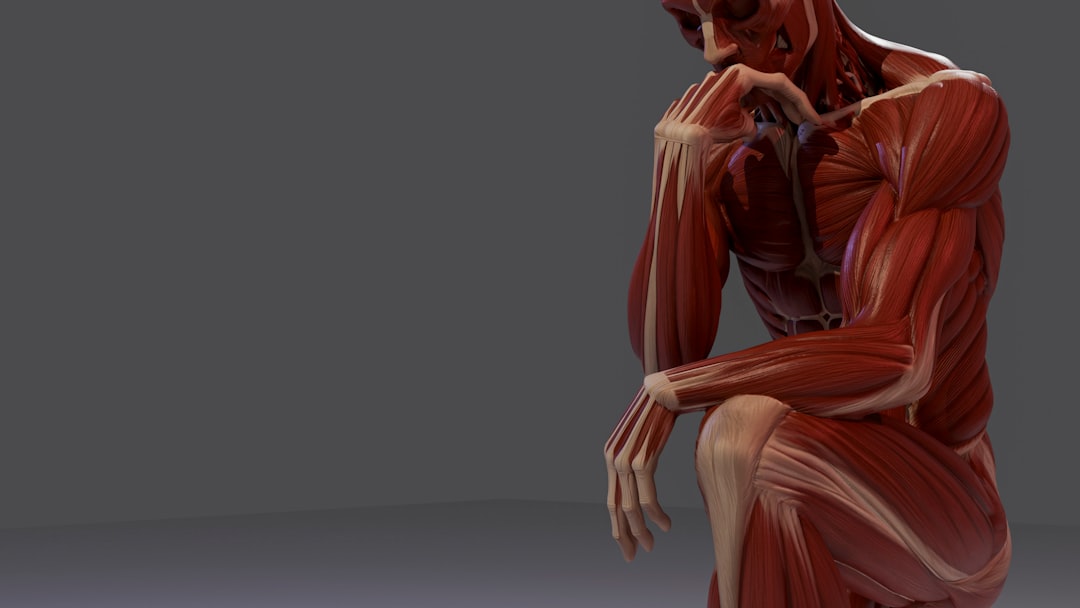
Dissect the elements that make meme sounds go viral, from cultural resonance to algorithmic amplification, featuring five iconic audio snippets.
In the fast-paced world of digital media, a single soundbite can ignite a global phenomenon, transforming niche jokes into universal cultural touchstones. Understanding the 'anatomy' of a viral meme sound is crucial for any digital strategist aiming to create highly engaging and shareable content. This article delves into five distinct meme sounds, exploring the psychological triggers, cultural contexts, and algorithmic mechanics that propel them to widespread recognition. From the unexpected greeting of Ni Howdy to the philosophical musings inspired by Hay una caca, and the rhythmic allure of phonk, we'll uncover the secrets behind their virality. We'll also examine how sounds like Uber eats delivery free tap into relatable everyday experiences, and how the unique cultural blend of Şahdamar - ajdar captures attention. Join us as we decode the sonic signatures of internet fame.
1. Ni Howdy
About this sound
The "Ni Howdy" soundbite is a delightful linguistic mashup that perfectly embodies the playful, often absurd nature of internet meme culture. Combining the Chinese greeting "Ni Hao" with the quintessential American "Howdy," this sound creates an instant moment of comedic friction and unexpected charm. Its virality stems from its clever subversion of expectations and its ability to bridge cultural gaps with a smile. It's frequently used to introduce unexpected collaborations, humorous cultural observations, or simply to greet an audience in a uniquely memorable way. This sound thrives in short-form video platforms, where its brevity and distinctiveness allow it to cut through the noise, much like the quick impact of Uber eats delivery free. Its widespread adoption highlights a global appreciation for cross-cultural humor and the joy of linguistic play, similar to the unexpected humor found in Hay una caca.
Creators deploy "Ni Howdy" as an attention-grabbing opener or a quirky interjection in their content. It's ideal for videos that aim to be lighthearted, inclusive, and slightly off-kilter. The sound's inherent cheerfulness and unexpected combination make it highly shareable, encouraging viewers to engage with its unique charm. It works particularly well in content that features diverse creators or explores cultural themes, adding a layer of playful commentary. Its memorable quality ensures high retention rates, making it a favorite for viral loops.
- Opening a collaborative video with an international friend.
- Adding a humorous greeting to a travel vlog.
- Punctuate a cultural observation with a playful twist.
- Use as a quirky sound effect in a reaction video.
A: It's a creative blend of the Chinese greeting "Ni Hao" and the American "Howdy," popularized through internet memes.
A: Its unexpected nature and cross-cultural humor make it instantly memorable and shareable.
A: Yes, it can be used ironically to highlight cultural clashes or awkward greetings for comedic effect.
About this sound
The "Uber eats delivery free" soundbite taps directly into the universal desire for convenience and savings, making it instantly relatable and highly shareable within meme culture. This sound, often a snippet from an advertisement or a user's excited reaction, has been repurposed to highlight moments of unexpected good fortune, clever hacks, or simply the joy of getting something for nothing. Its virality is rooted in its ability to evoke a common, positive experience that many people share, creating an immediate connection with the audience. It's frequently paired with content showcasing life hacks, successful online shopping hauls, or any situation where a perceived "win" is achieved, much like the celebratory feel often associated with successful gaming moments using sounds like Ti piace alphateta. The sound's clear, direct message makes it highly effective for short-form content, where instant understanding is key, similar to the straightforward impact of phonk in certain contexts.
Creators use "Uber eats delivery free" to punctuate moments of triumph, highlight smart choices, or add a comedic beat to everyday scenarios. It's perfect for content that offers tips, showcases personal achievements, or simply aims to spread a feeling of satisfaction. The sound's association with a desirable outcome makes it inherently positive and engaging. It works exceptionally well when paired with visual reveals of a successful endeavor or a clever workaround, amplifying the sense of achievement for the viewer. Its short, impactful nature ensures it fits seamlessly into rapid edits.
- Highlighting a successful online purchase.
- Adding a celebratory note to a DIY project completion.
- Punctuate a moment of clever problem-solving.
- Use as a comedic reward for overcoming a small challenge.
A: Its universal appeal to saving money and getting something for free makes it highly relatable and shareable.
A: Yes, it can be used ironically when something is definitely *not* free or easy, for a comedic contrast.
A: It reflects the modern consumer's desire for value and convenience, making it a resonant meme.
3. Hay una caca
About this sound
The "Hay una caca" (There's a poop) soundbite is a prime example of how simple, unexpected phrases can become viral sensations through sheer absurdity and comedic timing. Originating from Spanish-speaking internet culture, this sound is often deployed in situations that are unexpectedly gross, comically unfortunate, or just plain bizarre. Its virality lies in its ability to create a moment of shared, slightly uncomfortable laughter, tapping into a universal, childlike humor. It's frequently used in reaction videos, prank content, or any scenario where a sudden, gross-out punchline is needed, much like the unexpected nature of a Kat is boos sound. The sound's directness and slightly childish tone make it instantly recognizable and effective for eliciting a strong, often visceral, comedic response. It thrives in content that embraces the chaotic and unpredictable nature of online humor, similar to the unhinged energy of Şahdamar - ajdar.
Creators utilize "Hay una caca" to inject a dose of gross-out humor, surprise, or playful disgust into their content. It's perfect for moments when something unexpectedly messy, unhygienic, or comically bad occurs. The sound's ability to evoke a strong, immediate reaction makes it highly effective for short-form videos designed to grab attention. It works particularly well when paired with visual gags involving spills, unfortunate accidents, or anything that elicits a collective "eww" from the audience, enhancing the overall comedic impact and shareability.
- Reacting to a messy cooking fail.
- Adding humor to an unfortunate pet accident.
- Punctuate a moment of unexpected grossness in a game.
- Use as a comedic sound effect in a prank video.
A: It's typically used for gross-out humor, unexpected reveals, or to comment on unfortunate, messy situations.
A: Due to its nature, it's best suited for content targeting audiences who appreciate crude or absurd humor.
A: Combine it with an innocent or pristine visual for maximum ironic contrast and comedic effect.
About this sound
The "Şahdamar - ajdar" sound, deeply embedded in Turkish meme culture, is an energetic and often bewildering audio clip that has transcended its musical origins to become a symbol of chaotic, over-the-top, and undeniably catchy internet humor. Originating from the eccentric Turkish artist Ajdar, this sound is characterized by its unique vocal delivery and infectious rhythm, making it instantly recognizable. Its virality stems from its sheer memorability and its ability to inject a burst of unexpected energy into any content. It's frequently used to highlight moments of dramatic flair, comedic self-importance, or simply to add a touch of bizarre, high-energy entertainment, much like the unpredictable nature of sounds such as а теперь вернитесь на*уй. The sound's distinct cultural flavor adds a layer of global appeal, attracting audiences who appreciate its unique blend of music and meme, similar to the way JOZ BUZ captures attention with its distinct musicality.
Creators utilize "Şahdamar - ajdar" to create moments of intense, often humorous, energy in their digital content. It's ideal for montages, reaction videos, or any scenario where a sudden, impactful audio cue is needed to elevate the mood. The sound's inherent catchiness ensures high audience retention and encourages repeated listens. It works exceptionally well when paired with visuals that are equally dramatic, over-the-top, or intentionally chaotic, amplifying the overall comedic or energetic effect. Its unique vocal style makes it a powerful tool for standing out.
- Adding a dramatic flair to a highlight reel.
- Punctuate a moment of comedic self-aggrandizement.
- Use as an energetic transition between video segments.
- Injecting a burst of unexpected musical humor.
A: Ajdar Anık is a Turkish singer known for his eccentric style and viral internet presence.
A: It's excellent for high-energy, comedic, or dramatically over-the-top content, especially in meme compilations.
A: Sync it with fast-paced visuals or sudden cuts to match its energetic and chaotic nature.
5. phonk
About this sound
The "phonk" sound, representing a subgenre of hip-hop and electronic music, has exploded in popularity across digital platforms, becoming synonymous with intense, often dark, and high-energy content. Characterized by its lo-fi aesthetic, distorted cowbells, and chopped-and-screwed vocals, phonk music creates a distinct atmosphere that resonates with audiences seeking a raw and edgy vibe. Its virality is driven by its strong association with car culture, drift videos, and aggressive workout montages, making it a go-to for creators aiming to evoke a sense of power and intensity. It often appears alongside other high-energy tracks or dramatic sound effects to amplify its impact, much like the driving rhythm of JOZ BUZ. The sound's unique sonic signature and its cultural ties to underground scenes have cemented its place as a dominant force in modern meme audio, similar to how Alan Walker & Iselin Solheim - Faded Remix captures a specific musical mood.
Creators leverage "phonk" to set a mood of intensity, aggression, or cool confidence in their digital content. It's ideal for action-packed montages, cinematic intros, or any video requiring a strong, atmospheric musical backdrop. The sound's distinctive elements, particularly the cowbell, make it instantly recognizable and highly engaging for its target audience. It works exceptionally well when synced with fast-paced visuals, dramatic camera movements, or scenes depicting powerful vehicles and skilled maneuvers, enhancing the overall immersive experience for the viewer.
- Creating a dynamic intro for an action video.
- Adding an intense soundtrack to a workout montage.
- Enhancing drift or car meet videos.
- Setting a dark, edgy atmosphere for cinematic shorts.
A: Lo-fi production, distorted cowbells, and chopped-and-screwed vocals are hallmarks of the phonk sound.
A: Action, car culture, workout, and dark aesthetic content benefit greatly from the phonk sound.
A: Its combination of deep bass, distorted elements, and driving rhythms creates a powerful and often aggressive atmosphere.