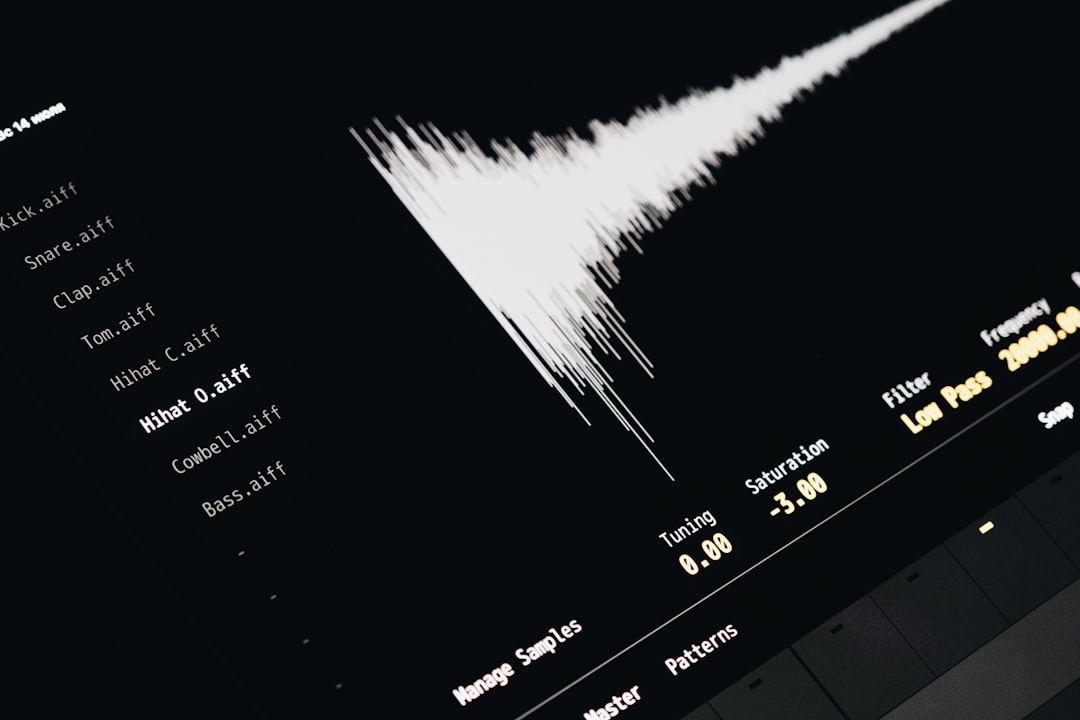
A classic ba dum tiss rimshot followed by laughter, used after cheesy jokes, awkward punchlines, and sarcastic one-liners in memes, edits, and videos.
This sound is the familiar comedy rimshot pattern, often written as ba dum tiss, followed by a burst of audience laughter. It is short, punchy, and instantly reads as a joke cue, even when the joke is intentionally bad. The drum hit sets up the punchline, while the laughter pushes the moment into irony or playful embarrassment. Creators use it to underline dad jokes, failed attempts at humor, and smug one-liners where the real comedy comes from how corny the setup feels.
The ba dum tiss pattern is a classic rimshot associated with stand-up, variety acts, and joke punchlines, and versions of it have been used in comedy for decades. This specific edit adds canned laughter, making the cue feel even more like a sitcom or live audience response. Online, it became a go-to meme sound because it instantly signals, “that was the joke,” whether the line actually lands or not. Its staying power comes from how quickly viewers recognize the rhythm and the ironic effect it creates.

 您的音效板
您的音效板 首頁
首頁 新
新 主題
主題 熱門
熱門 最受歡迎
最受歡迎 动漫和漫画
动漫和漫画 游戏
游戏 迷因
迷因 电影
电影 音乐
音乐 政治
政治 恶作剧
恶作剧 反应
反应 音效
音效 体育
体育 电视
电视 TikTok 趋势
 病毒式传播
病毒式传播 WhatsApp 音频
 使用條款
使用條款 隱私政策
隱私政策 DMCA 版權政策
 聯繫我們
聯繫我們 關於我們
關於我們