Senin Ses Panon
 Ana Sayfa
 Yeni
Yeni Topics
 Trend
Trend En popüler
 Anime ve Manga
 Oyunlar
 Memler
 Filmler
 Müzik
Müzik Siyaset
 Şakalar
 Tepkiler
 Ses efektleri
 Spor
Spor Televizyon
 TikTok Trendleri
 Viral
Viral WhatsApp Sesleri
 Kullanım Şartları
 Gizlilik Politikası
 DMCA Telif Hakkı Politikası
 Bizimle iletişime geçin
 Hakkımızda
Cinematic Sound Design: Crafting Epic Moments in Short-Form Content
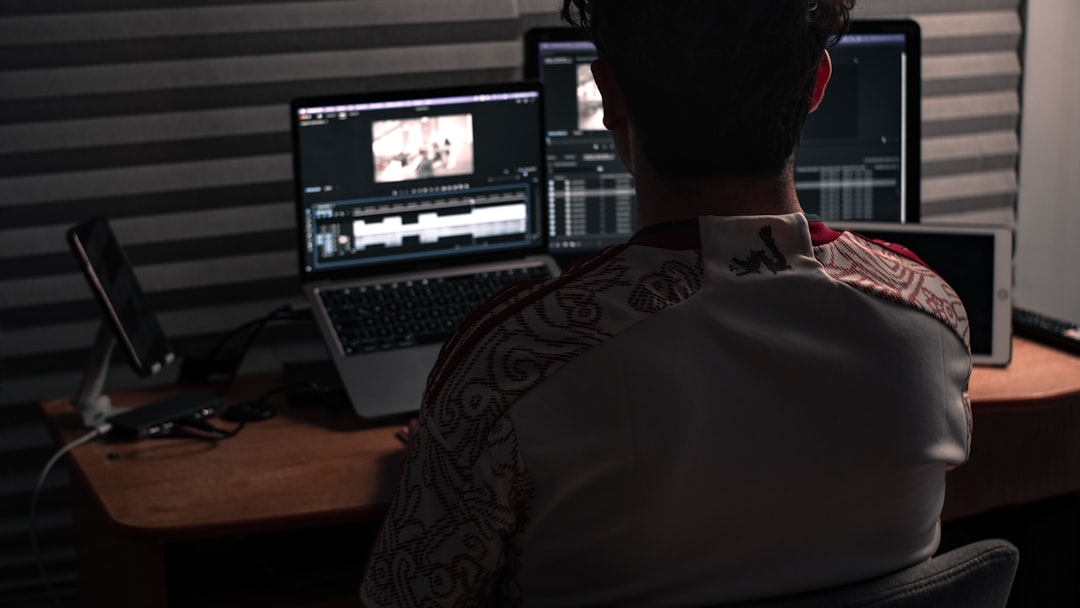
Explore how cinematic sound effects and musical cues are repurposed in meme culture to create dramatic, humorous, and highly engaging short-form videos.
The power of cinematic sound design extends far beyond the silver screen, profoundly influencing the viral landscape of short-form content. Digital creators are masterfully repurposing dramatic sound effects and musical stings to elevate their videos, transforming mundane moments into epic narratives or hilarious parodies. This article delves into five such sounds, from the tension-building Odyssey Trial Bow SOUND to the triumphant Victory Fanfare, and the surprisingly versatile Verity Edit. Understanding how these audio elements, much like the abruptness of surprise motherfucker!, are used to manipulate viewer emotions and drive engagement is a crucial skill for any aspiring viral content creator.
About this sound
The Odyssey (2026) – Trial of the Bow sound effect (clean audio). Odysseus strings the legendary bow in one of the film's most iconic moments. This high-quality SFX quickly became a viral sensation for edits, reels, memes, and cinematic content, signifying a moment of intense focus, impending challenge, or a grand reveal. It evokes a sense of ancient power and destiny, making it perfect for content that builds suspense. Its dramatic weight is comparable to the tension created by the To be Continued (jojo) sting, or the focused intensity of GET OVER HERE Scorpion. This sound is about the calm before the storm, the moment of truth.
This sound effect captures the precise moment of a legendary bow being strung, imbued with a sense of immense power and impending action. Creators use it to build dramatic tension before a significant event, a challenging task, or a grand reveal in their content. Its clean audio and epic quality make it ideal for cinematic edits, adding a layer of professional gravitas to even the most humorous memes. The sound’s ability to instantly command attention and signal a shift in narrative tone is a powerful tool for algorithmic engagement, drawing viewers deeper into the story. It's often paired with slow-motion visuals or intense close-ups, much like the visual emphasis used with scout scream.
- Ideal for building cinematic tension
- Great for grand reveals or challenges
- Works well with slow-motion visuals
- Perfect for epic meme montages
A: It's from the 2026 film "The Odyssey," specifically the Trial of the Bow scene.
A: It adds a layer of epic drama and suspense, making moments feel more significant.
A: No, it can be used ironically to elevate mundane tasks to comedic, epic proportions.
About this sound
This German phrase, meaning "You are good enough," became a viral ringtone and meme sound for its uplifting yet often ironically deployed message. It's used to provide a moment of unexpected affirmation in otherwise chaotic or self-deprecating content, creating a humorous contrast. Its gentle, reassuring tone makes it perfect for subverting expectations, offering a brief respite from digital absurdity. The sound's virality stems from its ability to inject a moment of wholesome, albeit ironic, positivity into the often cynical meme landscape. It functions as a comedic counterpoint, much like the ironic use of romantic music, or the unexpected comfort found in a You Are My Sunshine Lebron James edit. It's a reminder that even in brainrot, there's always a little bit of self-love.
A German ringtone that delivers a message of self-affirmation, often used ironically in meme culture. Creators employ it to highlight moments of unexpected success, self-doubt, or as a gentle, humorous jab at someone's perceived shortcomings. The sound's inherent positivity, when juxtaposed with a less-than-ideal situation, creates a powerful comedic effect. This psychological play on expectations makes it highly engaging, as viewers appreciate the clever subversion of its original intent. It's particularly effective in reaction videos or short skits where a character needs a morale boost, or to mock an overly confident individual, similar to the playful mockery of kyu nahi ho rahi padhai.
- Ideal for ironic self-affirmation
- Great for comedic morale boosts
- Works well with unexpected positivity
- Perfect for subverting expectations
A: It's German for "You are good enough."
A: By playing it after a failure or a moment of self-doubt, creating humorous contrast.
A: Yes, its positive message makes it a popular and uplifting notification or ringtone.
About this sound
The classic 'Victory Fanfare' sound, often associated with retro video games, has been repurposed in meme culture to celebrate minor achievements or ironically punctuate moments of overwhelming success (or failure). Its triumphant brass and celebratory melody instantly signal a momentous occasion, making it perfect for comedic exaggeration. The sound's nostalgic appeal taps into a collective gaming consciousness, making it universally recognizable and effective. It's a sound that evokes a sense of accomplishment, whether genuine or ironic, much like the dramatic build-up to a win in GET OVER HERE Scorpion, or the satisfying resolution after a scout scream. It’s the sound of a job well done, or hilariously, a job barely done.
A triumphant musical flourish that signals success, often used ironically in meme edits to celebrate trivial achievements or mock grandiose claims. Creators deploy this sound to elevate everyday wins into epic victories, or to humorously highlight an overreaction to a small accomplishment. The sound's inherent positivity and recognition factor make it highly engaging, as viewers instantly understand the celebratory (or mock-celebratory) intent. This psychological trigger creates a sense of shared joy or ironic amusement, boosting content shareability. It's a versatile sound for adding a layer of comedic grandeur to any situation, similar to the dramatic weight of the two hours later sound, signaling a passage of time before a reveal.
- Best for ironic celebrations
- Ideal for minor achievement reveals
- Works well with comedic exaggeration
- Great for nostalgic gaming content
A: It's a classic sound effect from many retro video games, particularly RPGs.
A: By applying a grand celebratory sound to a trivial or undeserving event, creating ironic contrast.
A: Yes, but its meme usage often leans towards ironic or exaggerated contexts.
4. Verity Edit
About this sound
The 'Verity Edit' sound is a popular musical snippet often used in fast-paced montages and transition edits, particularly within fashion, lifestyle, and aesthetic content. Its dynamic rhythm and modern feel make it ideal for showcasing transformations, quick cuts, or energetic sequences. While not a meme in the traditional sense, its widespread use has made it a recognizable audio cue for high-production-value short-form videos. It sets a sophisticated yet energetic tone, making it a go-to for creators aiming for a polished, engaging aesthetic. It shares its rhythmic versatility with the oiia oiia Sound, both driving visual pacing, and can be paired with subtle sound effects like cans.wav for added texture.
This sound provides a modern, energetic musical backdrop perfect for dynamic video edits. Creators utilize it to synchronize quick visual cuts, highlight transitions, or build momentum in montages. Its clean production and driving beat make it suitable for a wide range of content, from product showcases to travel vlogs and aesthetic compilations. The sound's ability to maintain a high level of engagement through its consistent rhythm is a key factor in its algorithmic success. It keeps viewers hooked, anticipating the next visual beat, making it an invaluable tool for creators focused on high retention rates. It's a sound that elevates the visual experience, much like a well-timed romantic overlay can change the mood.
- Best for fast-paced montages
- Ideal for aesthetic transition edits
- Works well with fashion and lifestyle content
- Great for building dynamic energy
A: Fashion, lifestyle, aesthetic edits, and dynamic transitions.
A: Its rhythmic structure and modern feel keep viewers visually and audibly stimulated.
A: Not a meme in the traditional sense, but a widely recognized and utilized audio trend in digital editing.
About this sound
This Portuguese phrase, roughly translating to "Black, I don't want it," became a viral meme sound originating from a humorous interaction about a hamburger. It's used to express a strong, often exaggerated, rejection or refusal in a comedic context. The sound's abrupt and definitive delivery makes it perfect for punctuating moments of clear dissent or humorous pickiness. Its virality stems from its relatable expression of preference, even if the context is absurd. It functions as a comedic "no," similar to the emphatic rejection conveyed by Oh hell nah, or the dramatic refusal in Qual é o negócio, Frota? when demanding an explanation. It's a sound that clearly states boundaries, albeit humorously.
A sharp, humorous Portuguese refusal used to express strong dislike or rejection. Creators deploy this sound to add comedic emphasis to moments of choice, particularly when someone is being comically particular or outright refusing something. The sound's directness and slightly playful tone make it highly effective for short, impactful meme edits. It creates an instant comedic beat, signaling a clear "no" in a memorable way. This psychological effect of clear, concise communication, even in a humorous context, makes it highly shareable and engaging. It's often paired with visuals of someone recoiling or making a disgusted face, similar to the reaction one might have to an unexpected im a lion pizza chicken.
- Ideal for comedic rejections
- Great for humorous expressions of dislike
- Works well with picky eater memes
- Perfect for emphatic "no" moments
A: It roughly translates to "Black, I don't want it" in Portuguese.
A: It comes from a viral Brazilian meme about a hamburger order.
A: By providing an exaggerated, humorous refusal to a presented option.