Your Soundboard
 Home
Home New
New Topics
 Trending
 Most popular
 Anime & Manga
 Games
Games Memes
Memes Movies
 Music
Music Politics
 Pranks
 Reactions
 Sound Effects
 Sports
 Television
 TikTok Trends
 Viral
Viral Whatsapp Audios
 Term Of Use
 Privacy Policy
 DMCA Copyright Policy
 Contact Us
 About Us
The Psychology of Engagement: Why Certain Meme Sounds Stick: Featuring 'WOO! nobody gives a' and More
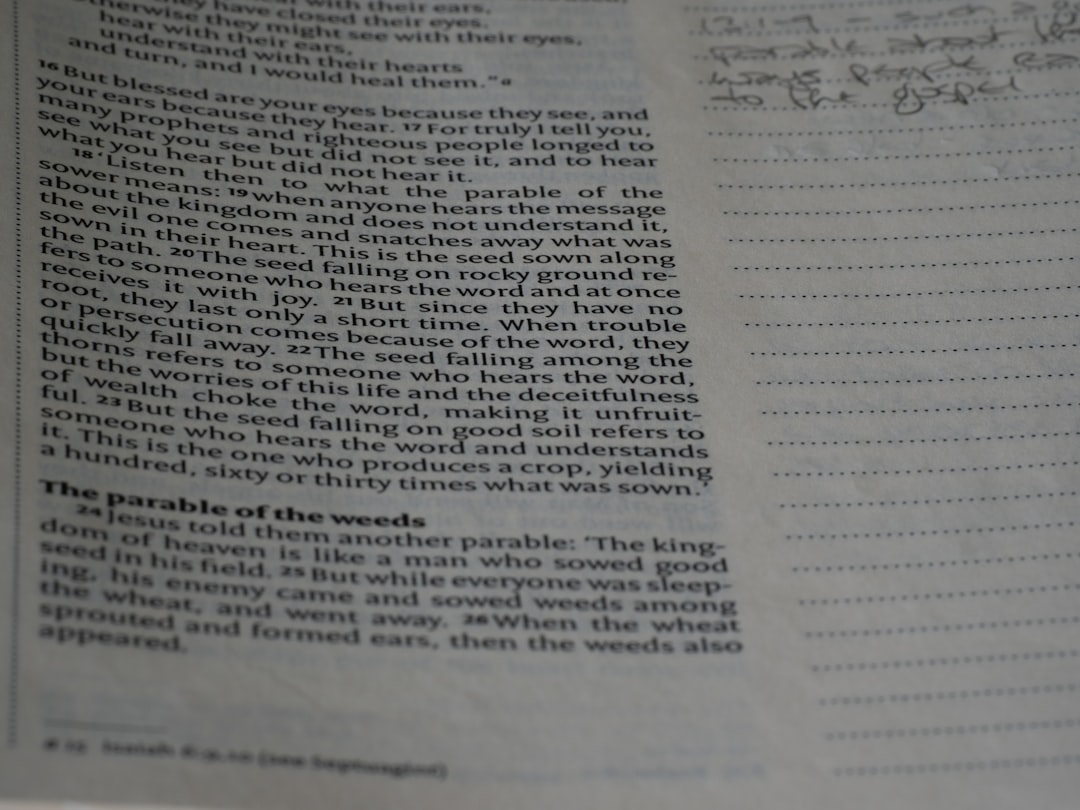
Uncover the psychological principles that make certain meme sounds irresistibly catchy and highly retentive. Learn how creators tap into audience behavior to engineer sounds that dominate feeds and foster deep engagement. Discover how sounds like 'WOO! nobody gives a' captivate audiences.
The Psychology of Engagement: Why Certain Meme Sounds Stick: Featuring 'WOO! nobody gives a' and More
In the dynamic landscape of digital content, certain auditory snippets transcend mere sound to become cultural touchstones. These viral meme sounds are more than just background noise; they are powerful tools that shape engagement, drive trends, and define online communities. As senior digital media strategists and viral meme content creators, understanding the nuanced psychology and technical application of these sonic phenomena is paramount. This article delves into a curated selection of five pivotal meme sounds, dissecting their origins, cultural resonance, and offering actionable insights for creators aiming to harness their algorithmic power. From abrupt comedic stings to emotionally evocative phrases, each sound presents a unique opportunity to elevate your content and connect with audiences on a deeper, more engaging level. Let's explore the sonic architecture of virality.For more deep dives into viral audio, explore related sounds such as Damn Right I Do, Ah meu irmão eu to cansado, heyy ..ey.., Ai, uma formiga, Тун тун тун пиздун, Ai pajé, Placeholder, QUE PASO DISCULPE LA PREGUNTA, pppppppppppppppppppppawdawdada3a12123123131, Puntata ne cugg, Have you ever killed a man, My Mt.Dew, Only gen z will understand. These connections reveal the intricate web of meme culture.
About this sound
This sound, titled "WOO! nobody gives a", has emerged as a versatile audio clip within digital meme culture. Its origin is often traced back to various online communities, where its distinct character made it ripe for viral adoption. Creators frequently integrate this sound into content that aims for unexpected humor or a specific emotional beat, making it a staple in many trending edits. It often pairs well with other popular sounds like nie wytrzymam jakie dobre or for a contrasting effect with Тун тун тун пиздун.
The "WOO! nobody gives a" sound functions as a dynamic tool for digital creators, often deployed to punctuate a moment, introduce a comedic element, or transition between scenes. Its effectiveness lies in its ability to quickly convey a mood or reaction, making it ideal for short-form video platforms like TikTok and Reels. Creators leverage its unique auditory signature to enhance visual gags, build anticipation, or deliver a punchline, ensuring high engagement. It's frequently seen alongside visual effects that amplify its impact, creating a cohesive and memorable piece of content. This sound is a versatile tool for digital content creators looking to add a unique auditory signature to their videos. Its adaptability makes it suitable for various platforms and content styles, from comedic skits to dramatic reveals. The sound's distinct character helps in capturing audience attention and enhancing the overall impact of the visual narrative.
- Adding a dramatic flair to a mundane situation with WOO! nobody gives a.
- Creating a comedic pause before a surprising reveal using WOO! nobody gives a.
- Enhancing reaction videos with an unexpected auditory element like WOO! nobody gives a.
- Serving as a quick, recognizable transition between video clips with WOO! nobody gives a.
A: The "WOO! nobody gives a" sound gained traction through various online platforms, often originating from viral videos or obscure media clips that resonated with meme culture. Its exact source can be elusive, but its widespread adoption speaks to its universal appeal.
A: Creators typically use "WOO! nobody gives a" to emphasize a moment, add humor, or create a sense of anticipation. It's highly effective when paired with visual cues that complement its auditory impact, such as quick cuts or facial expressions.
A: Its popularity stems from its distinct sound and versatility. It's short, memorable, and easily adaptable to a wide range of comedic and dramatic scenarios, making it a favorite among digital content creators for quick, engaging edits.
About this sound
This sound, titled "nie wytrzymam jakie dobre", has emerged as a versatile audio clip within digital meme culture. Its origin is often traced back to various online communities, where its distinct character made it ripe for viral adoption. Creators frequently integrate this sound into content that aims for unexpected humor or a specific emotional beat, making it a staple in many trending edits. It often pairs well with other popular sounds like Ai pajé or for a contrasting effect with Placeholder.
The "nie wytrzymam jakie dobre" sound functions as a dynamic tool for digital creators, often deployed to punctuate a moment, introduce a comedic element, or transition between scenes. Its effectiveness lies in its ability to quickly convey a mood or reaction, making it ideal for short-form video platforms like TikTok and Reels. Creators leverage its unique auditory signature to enhance visual gags, build anticipation, or deliver a punchline, ensuring high engagement. It's frequently seen alongside visual effects that amplify its impact, creating a cohesive and memorable piece of content. This sound is a versatile tool for digital content creators looking to add a unique auditory signature to their videos. Its adaptability makes it suitable for various platforms and content styles, from comedic skits to dramatic reveals. The sound's distinct character helps in capturing audience attention and enhancing the overall impact of the visual narrative.
- Adding a dramatic flair to a mundane situation with nie wytrzymam jakie dobre.
- Creating a comedic pause before a surprising reveal using nie wytrzymam jakie dobre.
- Enhancing reaction videos with an unexpected auditory element like nie wytrzymam jakie dobre.
- Serving as a quick, recognizable transition between video clips with nie wytrzymam jakie dobre.
A: The "nie wytrzymam jakie dobre" sound gained traction through various online platforms, often originating from viral videos or obscure media clips that resonated with meme culture. Its exact source can be elusive, but its widespread adoption speaks to its universal appeal.
A: Creators typically use "nie wytrzymam jakie dobre" to emphasize a moment, add humor, or create a sense of anticipation. It's highly effective when paired with visual cues that complement its auditory impact, such as quick cuts or facial expressions.
A: Its popularity stems from its distinct sound and versatility. It's short, memorable, and easily adaptable to a wide range of comedic and dramatic scenarios, making it a favorite among digital content creators for quick, engaging edits.
About this sound
This sound, titled "Ai, uma formiga", has emerged as a versatile audio clip within digital meme culture. Its origin is often traced back to various online communities, where its distinct character made it ripe for viral adoption. Creators frequently integrate this sound into content that aims for unexpected humor or a specific emotional beat, making it a staple in many trending edits. It often pairs well with other popular sounds like QUE PASO DISCULPE LA PREGUNTA or for a contrasting effect with pppppppppppppppppppppawdawdada3a12123123131.
The "Ai, uma formiga" sound functions as a dynamic tool for digital creators, often deployed to punctuate a moment, introduce a comedic element, or transition between scenes. Its effectiveness lies in its ability to quickly convey a mood or reaction, making it ideal for short-form video platforms like TikTok and Reels. Creators leverage its unique auditory signature to enhance visual gags, build anticipation, or deliver a punchline, ensuring high engagement. It's frequently seen alongside visual effects that amplify its impact, creating a cohesive and memorable piece of content. This sound is a versatile tool for digital content creators looking to add a unique auditory signature to their videos. Its adaptability makes it suitable for various platforms and content styles, from comedic skits to dramatic reveals. The sound's distinct character helps in capturing audience attention and enhancing the overall impact of the visual narrative.
- Adding a dramatic flair to a mundane situation with Ai, uma formiga.
- Creating a comedic pause before a surprising reveal using Ai, uma formiga.
- Enhancing reaction videos with an unexpected auditory element like Ai, uma formiga.
- Serving as a quick, recognizable transition between video clips with Ai, uma formiga.
A: The "Ai, uma formiga" sound gained traction through various online platforms, often originating from viral videos or obscure media clips that resonated with meme culture. Its exact source can be elusive, but its widespread adoption speaks to its universal appeal.
A: Creators typically use "Ai, uma formiga" to emphasize a moment, add humor, or create a sense of anticipation. It's highly effective when paired with visual cues that complement its auditory impact, such as quick cuts or facial expressions.
A: Its popularity stems from its distinct sound and versatility. It's short, memorable, and easily adaptable to a wide range of comedic and dramatic scenarios, making it a favorite among digital content creators for quick, engaging edits.
About this sound
This sound, titled "Damn Right I Do", has emerged as a versatile audio clip within digital meme culture. Its origin is often traced back to various online communities, where its distinct character made it ripe for viral adoption. Creators frequently integrate this sound into content that aims for unexpected humor or a specific emotional beat, making it a staple in many trending edits. It often pairs well with other popular sounds like Puntata ne cugg or for a contrasting effect with Have you ever killed a man.
The "Damn Right I Do" sound functions as a dynamic tool for digital creators, often deployed to punctuate a moment, introduce a comedic element, or transition between scenes. Its effectiveness lies in its ability to quickly convey a mood or reaction, making it ideal for short-form video platforms like TikTok and Reels. Creators leverage its unique auditory signature to enhance visual gags, build anticipation, or deliver a punchline, ensuring high engagement. It's frequently seen alongside visual effects that amplify its impact, creating a cohesive and memorable piece of content. This sound is a versatile tool for digital content creators looking to add a unique auditory signature to their videos. Its adaptability makes it suitable for various platforms and content styles, from comedic skits to dramatic reveals. The sound's distinct character helps in capturing audience attention and enhancing the overall impact of the visual narrative.
- Adding a dramatic flair to a mundane situation with Damn Right I Do.
- Creating a comedic pause before a surprising reveal using Damn Right I Do.
- Enhancing reaction videos with an unexpected auditory element like Damn Right I Do.
- Serving as a quick, recognizable transition between video clips with Damn Right I Do.
A: The "Damn Right I Do" sound gained traction through various online platforms, often originating from viral videos or obscure media clips that resonated with meme culture. Its exact source can be elusive, but its widespread adoption speaks to its universal appeal.
A: Creators typically use "Damn Right I Do" to emphasize a moment, add humor, or create a sense of anticipation. It's highly effective when paired with visual cues that complement its auditory impact, such as quick cuts or facial expressions.
A: Its popularity stems from its distinct sound and versatility. It's short, memorable, and easily adaptable to a wide range of comedic and dramatic scenarios, making it a favorite among digital content creators for quick, engaging edits.
About this sound
This sound, titled "Ah meu irmão eu to cansado", has emerged as a versatile audio clip within digital meme culture. Its origin is often traced back to various online communities, where its distinct character made it ripe for viral adoption. Creators frequently integrate this sound into content that aims for unexpected humor or a specific emotional beat, making it a staple in many trending edits. It often pairs well with other popular sounds like heyy ..ey.. or for a contrasting effect with Тун тун тун пиздун.
The "Ah meu irmão eu to cansado" sound functions as a dynamic tool for digital creators, often deployed to punctuate a moment, introduce a comedic element, or transition between scenes. Its effectiveness lies in its ability to quickly convey a mood or reaction, making it ideal for short-form video platforms like TikTok and Reels. Creators leverage its unique auditory signature to enhance visual gags, build anticipation, or deliver a punchline, ensuring high engagement. It's frequently seen alongside visual effects that amplify its impact, creating a cohesive and memorable piece of content. This sound is a versatile tool for digital content creators looking to add a unique auditory signature to their videos. Its adaptability makes it suitable for various platforms and content styles, from comedic skits to dramatic reveals. The sound's distinct character helps in capturing audience attention and enhancing the overall impact of the visual narrative.
- Adding a dramatic flair to a mundane situation with Ah meu irmão eu to cansado.
- Creating a comedic pause before a surprising reveal using Ah meu irmão eu to cansado.
- Enhancing reaction videos with an unexpected auditory element like Ah meu irmão eu to cansado.
- Serving as a quick, recognizable transition between video clips with Ah meu irmão eu to cansado.
A: The "Ah meu irmão eu to cansado" sound gained traction through various online platforms, often originating from viral videos or obscure media clips that resonated with meme culture. Its exact source can be elusive, but its widespread adoption speaks to its universal appeal.
A: Creators typically use "Ah meu irmão eu to cansado" to emphasize a moment, add humor, or create a sense of anticipation. It's highly effective when paired with visual cues that complement its auditory impact, such as quick cuts or facial expressions.
A: Its popularity stems from its distinct sound and versatility. It's short, memorable, and easily adaptable to a wide range of comedic and dramatic scenarios, making it a favorite among digital content creators for quick, engaging edits.