Ваша звуковая панель
 Главная
 Новое
Новое Topics
 Популярное
 Самый популярный
 Аниме и манга
 Игры
Игры Мемы
Мемы Фильмы
 Музыка
 Политика
 Розыгрыши
 Реакции
 Звуковые эффекты
 Спорт
Спорт Телевидение
 Тренды TikTok
 Вирусное
 Аудиофайлы WhatsApp
 Условия использования
 Политика конфиденциальности
 Политика авторских прав DMCA
 Свяжитесь с нами
 О нас
О насNostalgia & Absurdity: Gaming Sounds in Meme Culture
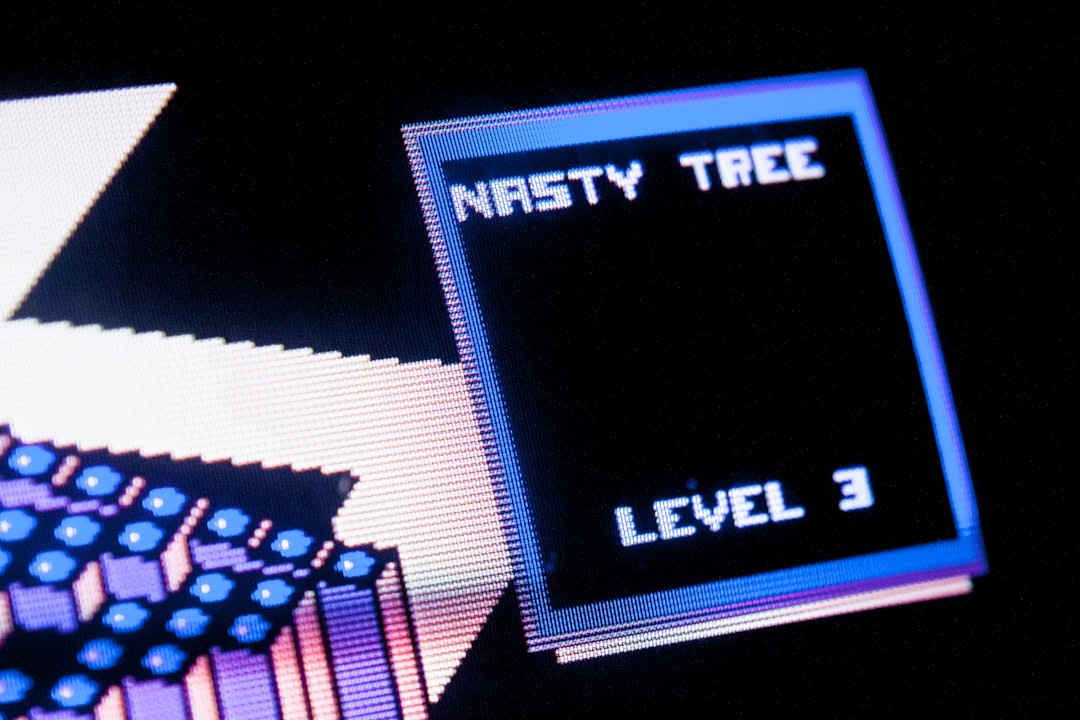
Unpack the phenomenon of gaming sounds, from the comforting 'Mii Channel Music' to the unsettling 'FNAF JJ HELLO,' becoming viral meme content. Discover how these audio cues evoke nostalgia, create comedic absurdity, and drive deep engagement within digital communities.
Gaming sounds possess a unique power to evoke nostalgia, trigger specific emotional responses, and, in the hands of digital creators, transform into viral meme gold. These auditory artifacts, pulled from beloved consoles and iconic titles, carry a shared cultural weight that transcends their original context. When recontextualized, they can create moments of profound absurdity, ironic humor, or even genuine suspense, captivating audiences across platforms. This article explores five distinct gaming sounds that have permeated meme culture, offering a deep dive into their enduring appeal and strategic applications for maximizing algorithmic visibility and audience retention.
About this sound
The Mii Channel Music, the cheerful and slightly whimsical theme from the Nintendo Wii, has become the unofficial soundtrack to digital awkwardness, 'no thoughts' memes, and moments of surreal calm before chaos. Its inherent pleasantness creates a stark, often hilarious, contrast when paired with absurd or unsettling visuals. This sound taps into a deep well of collective nostalgia for a bygone era of gaming, making it instantly recognizable and emotionally resonant for a vast audience. It functions similarly to the way the Phone Ringing sound can signal an interruption, but the Mii Channel Music often precedes a more existential or comically mundane disruption.
Creators leverage the Mii Channel Music to establish an atmosphere of innocent, almost childlike, simplicity that is then dramatically undercut by the content. It's perfect for videos depicting characters staring blankly, moments of profound confusion, or as a background track for seemingly innocuous situations that quickly spiral into chaos. The loopable nature of the track makes it ideal for extended comedic builds, drawing viewers into a false sense of security before the punchline hits. Its viral appeal lies in its ability to evoke a shared sense of nostalgia and ironic humor, making it a high-retention sound that encourages shares and comments, much like the unexpected jolt of Toasty mortal kombat.
- Best for awkward social scenarios.
- Ideal for 'no thoughts' character frames.
- Works well as a loopable background.
- Great for building ironic suspense.
A: Yes, its rhythmic structure is designed for seamless looping.
A: Its nostalgic, cheerful tone creates ironic contrast with chaotic content.
A: Best for comedic, ironic, or nostalgic themes.
About this sound
The Pixel gun 3d low health and out of ammo sound effect is a specific, tension-building audio cue from the popular mobile game. It signifies a critical moment of vulnerability and desperation, where a player is on the verge of defeat. In meme culture, this sound is repurposed to humorously exaggerate moments of personal crisis, financial woes, or any situation where one feels utterly depleted and defenseless. Its frantic, urgent tone creates an immediate sense of relatable panic, making it a powerful tool for comedic storytelling. It shares a similar capacity for conveying urgency as the Extremely loud incorrect buzzer, but instead of a definitive error, it signals a precarious state.
Creators employ the Pixel gun 3d low health and out of ammo sound to inject a sense of gaming-inspired urgency and comedic despair into their content. It's perfect for videos depicting relatable struggles, like running out of coffee, forgetting an important deadline, or facing a minor but overwhelming challenge. The sound's distinct beeping and low-health warning create an immediate connection with gamers, while its universal message of being 'on the ropes' resonates with broader audiences. This makes it a high-retention sound, often paired with visual cues like a character looking stressed or a quick cut to an empty wallet, much like how the Eww brother eww sound signals a moment of relatable discomfort.
- Best for moments of comedic personal crisis.
- Ideal for gamer-specific relatable content.
- Works well with visual cues of depletion or stress.
- Great for 'expectation vs. reality' scenarios.
A: It's from the mobile game 'Pixel Gun 3D'.
A: While primarily comedic, it can convey genuine stress or vulnerability.
A: Short bursts are most effective to maintain urgency without annoyance.
About this sound
The FNAF JJ HELLO sound is a specific, unsettling greeting from the 'Five Nights at Freddy's' (FNAF) game series, associated with the character JJ. Its slightly distorted, childlike voice uttering a simple "Hello" creates an immediate sense of uncanny valley and jump-scare anticipation. In meme culture, it's used to introduce an unexpected, often creepy or annoying, presence, or to punctuate a moment of unsettling realization. This sound taps into the psychological horror of the FNAF universe, making it incredibly effective for eliciting a quick, visceral reaction. It functions similarly to the way the Queen laugh deltarune can signal a mischievous, unsettling presence, but with a more direct, startling impact.
Creators employ the FNAF JJ HELLO sound to deliver quick, effective jump scares or to introduce a character with an unsettling aura. It's perfect for videos where something unexpected pops up on screen, a character appears from nowhere, or to add a layer of creepy humor to a situation. The sound's distinct voice and association with horror games ensure instant recognition among fans, while its inherent creepiness resonates with broader audiences. This makes it a high-retention sound, often paired with visual cues like a sudden appearance or a quick zoom-in on an unsettling face, much like how the Prowler Sound Effect signals an unexpected, menacing arrival.
- Best for jump scares and unexpected reveals.
- Ideal for horror-themed or creepy content.
- Works well with sudden visual appearances.
- Great for introducing unsettling characters.
A: JJ is a character from the 'Five Nights at Freddy's' series.
A: It's designed to be unsettling and can be used for jump scares.
A: Yes, for ironic jump scares or creepy humor.
About this sound
The Loquendo (porn) sound, while its title suggests a specific adult context, actually refers to the distinctive, often robotic text-to-speech voice associated with Loquendo software, which gained notoriety in early internet meme culture for its use in various, sometimes explicit, comedic videos. In a broader meme context, the 'Loquendo voice' is used for ironic narration, deadpan delivery of absurd statements, or to create a sense of retro internet charm. Its monotone, artificial quality makes it perfect for detached commentary or to highlight the ridiculousness of a situation. It shares a similar detached, almost alien quality with the Dr donut sound, which also has a unique, somewhat unplaceable auditory signature.
Creators employ the Loquendo (porn) voice for a variety of comedic effects, from narrating absurd tutorials to delivering sarcastic observations. Its robotic inflection instantly signals a certain era of internet humor, appealing to those with a nostalgic appreciation for early meme formats. It's particularly effective when paired with low-quality visuals or intentionally poorly edited content, enhancing the ironic presentation. The sound's ability to deliver any text with a consistent, emotionless tone makes it a versatile tool for comedic timing and character voiceovers. This makes it a high-retention sound, often used to create a sense of detached, analytical humor, much like the way the Mii Channel Music can set an ironically calm mood.
- Best for ironic narration or deadpan humor.
- Ideal for retro internet-themed content.
- Works well with low-quality or intentionally bad edits.
- Great for delivering absurd or sarcastic statements.
A: A text-to-speech voice popular in early internet memes.
A: No, despite the specific slug, the voice is used broadly for comedy.
A: Various text-to-speech generators can mimic its style.
About this sound
The Main Station Scene (главный вокзал - сценааааааааааа) sound, despite its Russian title, represents a broader category of ambient, often dramatic, background audio that evokes a sense of bustling activity, grand scale, or impending narrative development. While specific origins might be niche, its application in meme culture is universal: to set a scene, build anticipation, or provide a dramatic backdrop to an otherwise mundane event. This sound, with its rich, layered textures, can instantly transport the viewer to a specific environment, much like how the Si senor, yo soy de rancho sound instantly evokes a specific cultural setting, but with a focus on urban grandiosity.
Creators employ the Main Station Scene sound to add a layer of cinematic realism or dramatic irony to their content. It's perfect for videos depicting travel, grand announcements, or simply to make a casual stroll feel like a momentous journey. The sound's ability to create a sense of place and atmosphere makes it a powerful tool for immersive storytelling, even in short-form video. It works by subtly influencing the viewer's perception of the visual content, elevating the perceived importance or scale of the action. This makes it a high-retention sound, often paired with sweeping camera movements or establishing shots, much like the way the Despierto sound can signal a significant, scene-setting moment.
- Best for establishing shots or scene setting.
- Ideal for travel vlogs or grand reveals.
- Works well as an ambient background track.
- Great for building anticipation or dramatic mood.
A: It translates to 'Main Station' in Russian.
A: Pair it with wide shots or scenes of movement to create atmosphere.
A: No, its grand, ambient nature is universally applicable.