Ваша звуковая панель
 Главная
 Новое
Новое Topics
 Популярное
 Самый популярный
 Аниме и манга
 Игры
Игры Мемы
Мемы Фильмы
 Музыка
 Политика
 Розыгрыши
 Реакции
 Звуковые эффекты
 Спорт
Спорт Телевидение
 Тренды TikTok
 Вирусное
 Аудиофайлы WhatsApp
 Условия использования
 Политика конфиденциальности
 Политика авторских прав DMCA
 Свяжитесь с нами
 О нас
О насThe Evolution of Valentine Memes: From Cards to Soundboards
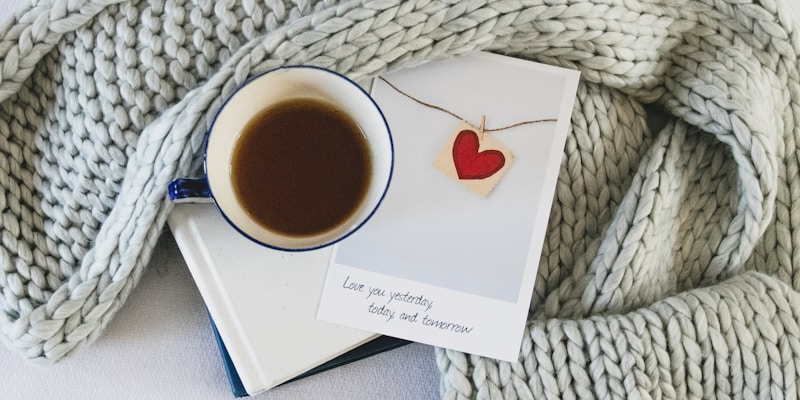
Trace the history of Valentine's Day humor and learn why audio memes are the new standard for digital romance.
The Death of the Card: Why Soundboards Own the Digital Love Language
In the pre-digital era, Valentine's Day was defined by the physical card—a static, silent gesture of affection. In 2026, that tradition has been completely cannibalized by the Soundboard Era. Today, an audio meme is the new greeting card. A 2-second musical cue carries more specific cultural baggage and emotional nuance than a long-form paragraph ever could. These sounds act as "rhythmic contracts" between creators and fans: play the sound, set the mood, and trigger the community's collective memory. The evolution from paper to pixelated audio represents a shift toward instant, immersive storytelling where the "vibe" is everything.
What makes a soundboard cue truly dominant is its cultural efficiency. We have been conditioned to associate specific riffs—from gaming icons to niche anime villains—with certain character archetypes. A gritty guitar might suggest a "smooth talker," while a dissonant scream suggests a "mental break." This conditioning allows creators to bypass long setups and go straight to the punchline. By using character-based Valentine audio, you aren't just making a video; you're tapping into a pre-existing emotional immersion that the audience already feels in their teeth.
Diversity in Sonic Archetypes: The 2026 Soundboard
A legendary gaming reference that has found new life as a Valentine "pursuit" meme. The whisper of "Stars" carries an energy of intensity and dedication, often used to frame someone who is "hunting" for the perfect date or gift.
The sonic embodiment of theatrical rage and dramatic tension. This screeching vocal cue is used for edits where someone is being pushed too far by the stress of Valentine's planning or the realization of being single.
Character-driven sounds are the gold standard for niche engagement. This cue carries the energy of a flamboyant rogue, making it perfect for "villain era" Valentine's edits where creators embrace being single or causing harmless chaos.
A passionate, frenetic cue used for high-bpm edits and surreal humor. Its manic energy contrasts perfectly with the typical slow, romantic music of the season, making it a powerful "pattern interrupt" for the scroll.
A unique vocal riff that offers a distinct alternative to the standard jingles. It carries a sense of "intrusive thoughts," representing a brain that has been "reset" by the overwhelming presence of holiday commercialism.
The Emotional Manipulation of the Loop
These sounds bridge the gap between amateur clips and professional-grade emotional manipulation. By using a recognized character cue, you don't need to write a script that says "this person is a rogue"—the audience already knows. In the battle for the For You Page, the right music cue isn't just a background—it's the shortcut to a cohesive, high-retention story.