Sua Soundboard
 Início
 Novos
Novos Topics
 Em alta
 Mais popular
 Anime e Mangá
 Jogos
Jogos Memes
Memes Filmes
 Música
 Política
 Pegadinhas
 Reações
 Efeitos sonoros
 Esportes
 Televisão
 Tendências do TikTok
 Viral
Viral Áudios do WhatsApp
 Termos de Uso
 Política de Privacidade
 Política de Direitos Autorais DMCA
 Fale Conosco
 Sobre nós
Decoding the Viral Power of Russian Meme Sounds: From Prigozhin to Tsar Batyushka
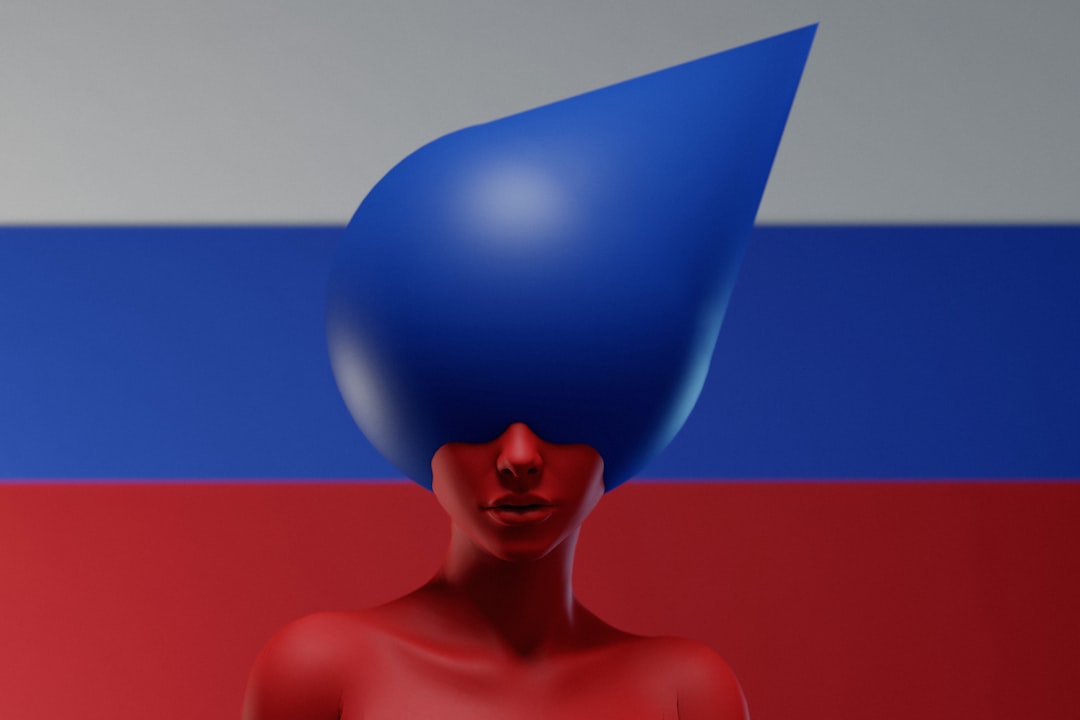
Explore the unexpected virality of Russian-language meme sounds like "Privet Eto Prigozhin Zhenya" and "Tsar Batyushka" and how they capture global digital attention.
In the fast-paced world of digital content, certain sounds transcend language barriers to achieve global virality. Russian-language meme sounds, in particular, have carved out a unique niche, captivating audiences with their distinct intonations and often deadpan delivery. This article dives deep into five such sounds, analyzing their origins, cultural impact, and the psychological hooks that make them irresistible to creators on platforms like TikTok and Reels. From the abrupt introduction of Privet Eto Prigozhin Zhenya to the dramatic flair of Tsar Batyushka, we'll uncover how these audio snippets become essential tools in the modern creator's toolkit, driving engagement and shaping the ever-evolving soundboard culture.
About this sound
This sound is a brief spoken Russian intro: “Privet, eto Prigozhin Zhenya,” delivered like someone announcing himself at the start of a call or voice note. It circulates mainly through reposts, short-form edits and soundboard uploads rather than a widely credited original release. The clip stays popular because it is compact, easy to recognize, and useful as an instant character introduction, often paired with other dramatic reveals like Oj wymasuj mnie romanie or a sudden shift in tone similar to Suka Ebanskaia Bliaiaia.
The appeal of Privet Eto Prigozhin Zhenya lies in its blunt, almost formal self-introduction. Even without understanding Russian, the sound conveys a sense of unexpected arrival or a deadpan announcement, making it perfect for ironic intros, sudden character reveals, or setting up a comedic punchline. Creators frequently use it to introduce a friend dramatically or to open a fake phone call meme, often followed by a jarring visual cut that amplifies its impact. Its brevity ensures it fits seamlessly into fast-paced edits, maintaining high retention rates by delivering an immediate, recognizable auditory cue.
- Introducing a friend like they just entered dramatically.
- Opening an ironic fake phone call meme.
- Cutting to a suspicious character reveal in edits.
- Starting Russian meme compilations with a deadpan intro.
A: It translates roughly to “Hi, this is Prigozhin Zhenya” or “Hello, this is Zhenya Prigozhin.” In meme use, the appeal is the blunt self-introduction and the serious, instantly recognizable delivery.
A: People usually use it as an intro sound for reveals, fake phone calls, and ironic edits where someone appears as if they are being formally introduced. It works best when the visual cut lands immediately after the spoken line.
A: It is only a couple of seconds long, so it fits fast edits without slowing them down. The calm, direct voice also contrasts well with absurd visuals, which makes the joke hit quickly even for viewers who do not know Russian.
About this sound
The sound Сука ебанская бляяя is a highly expressive Russian phrase, often translated as a strong exclamation of frustration or anger. Its raw, unfiltered emotion makes it a powerful audio tool for creators looking to convey extreme reactions in their content. This sound frequently appears in edits reacting to absurd situations, gaming fails, or unexpected plot twists, much like the dramatic build-up found in Naruto Hype, but with a distinctly more aggressive tone.
Creators leverage Сука ебанская бляяя to punctuate moments of intense disbelief, comedic outrage, or genuine exasperation. Its immediate and recognizable emotional charge makes it an excellent choice for reaction videos, short skits, and any content where a strong, visceral response is needed. The sound's abrupt nature ensures it cuts through the noise, grabbing viewer attention and emphasizing the creator's intended emotional beat. It's often paired with sudden zooms or visual effects that mirror the audio's intensity, creating a cohesive and impactful meme. Consider using it in scenarios where a character faces an insurmountable obstacle, similar to the despair evoked by a sudden realization in a comedic sketch.
- Highlighting extreme frustration in gaming clips.
- Reacting to unexpected plot twists in short skits.
- Adding comedic outrage to everyday situations.
- Emphasizing a character's disbelief with a sudden audio cue.
A: It's a very strong, expletive-laden Russian phrase expressing intense frustration, anger, or disbelief.
A: It's used to punctuate moments of extreme emotional reaction, often in response to something absurd, frustrating, or unexpectedly bad.
A: Yes, its emotional intensity is universally understood, making it effective even for non-Russian speakers who recognize its meme context.
About this sound
The Polish phrase Oj wymasuj mnie romanie, translating to "Oh, massage me, Roman," has found its way into meme culture for its distinct, somewhat pleading yet playful tone. This sound is often used to inject a touch of unexpected intimacy or a humorous request into various digital contexts. It stands in stark contrast to more aggressive sounds like Сука ебанская бляяя, offering a softer, more whimsical comedic option, and can be paired effectively with visual gags or ironic scenarios, much like the playful introductions seen with Privet Eto Prigozhin Zhenya.
Creators utilize Oj wymasuj mnie romanie to create lighthearted, often suggestive, or comically awkward moments. It's particularly effective when paired with visuals that imply a need for comfort, relaxation, or even a slightly absurd romantic overture. The sound's unique cadence and the direct address to "Roman" give it a personal, almost intimate feel, which can be subverted for comedic effect. Digital strategists often employ this sound in skits where a character is overly dramatic about a minor inconvenience or makes an unexpected, humorous demand. Its charm lies in its ability to evoke a chuckle through its gentle, yet firm, request.
- Adding a humorous, pleading tone to a video.
- Creating skits about relaxation or self-care.
- Injecting unexpected intimacy into a comedic scene.
- Pairing with visuals of dramatic exhaustion or desire.
A: It's a Polish phrase that translates to "Oh, massage me, Roman."
A: It's often used for comedic effect to imply a humorous request for comfort, attention, or a slightly suggestive interaction.
A: While generally lighthearted, its suggestive undertones might make it less suitable for strictly family-friendly content, depending on context.
4. Naruto Hype
About this sound
The Naruto Hype sound is a quintessential audio snippet derived from the iconic anime series, designed to evoke excitement, anticipation, and the thrill of an impending battle or transformation. It typically features a blend of dramatic orchestral swells, intense vocalizations, and signature sound effects that instantly transport listeners into the world of ninjas and epic showdowns. This sound is a staple for fans and creators alike, often used to build tension or signify a powerful moment, much like a character's grand entrance heralded by Privet Eto Prigozhin Zhenya, but with a focus on action rather than introduction. It can also be used ironically to elevate mundane situations, contrasting with the raw emotion of sounds like Сука ебанская бляяя.
For digital creators, the Naruto Hype sound is a powerful tool for elevating content, whether it's a dramatic reveal, a montage of impressive feats, or a comedic build-up to an anticlimax. Its inherent energy and recognition factor among anime enthusiasts make it highly engaging. Strategically placed, it can significantly boost viewer retention by creating an emotional peak. Think of using it to introduce a new product, showcase a skill, or even to add an exaggerated sense of importance to a mundane task. The key is to align the sound's escalating intensity with the visual narrative, ensuring a satisfying payoff for the audience. This sound is particularly effective in short-form video where quick, impactful audio cues are paramount.
- Building anticipation for a product reveal.
- Enhancing action sequences in comedic skits.
- Creating dramatic transitions between video segments.
- Adding an epic feel to mundane daily tasks.
A: It comes from the popular Japanese anime series "Naruto," known for its action-packed sequences and dramatic musical scores.
A: It's best used to build tension, signify a powerful moment, or add an epic, exaggerated feel to content, especially before a reveal or climax.
A: While popular in anime edits, its universal themes of excitement and drama make it versatile for various types of content, including comedic and promotional videos.
5. Царь батюшка
About this sound
The sound Царь батюшка, translating to "Tsar Father," is a Russian phrase imbued with historical and cultural weight, often used to refer to a benevolent, powerful, or traditional leader. In meme culture, it's deployed with a mix of reverence and irony, signifying a grand, authoritative, or comically outdated figure. This sound offers a unique blend of gravitas and potential for comedic subversion, making it a versatile choice for creators. It can be used to introduce a character with mock importance, similar to Privet Eto Prigozhin Zhenya, but with a more regal and historical connotation, or to comment on a situation with a sense of old-world wisdom or exasperation, much like the emotional depth found in Oj wymasuj mnie romanie.
Digital strategists find Царь батюшка particularly useful for content that plays on themes of authority, tradition, or mock-heroism. It can be used to introduce a character who is perceived as a "boss" or an "elder," whether seriously or satirically. The sound's inherent grandiosity makes it effective for dramatic reveals or for adding a touch of old-school gravitas to modern scenarios. Creators often pair it with visuals of someone making a pronouncement, a historical figure appearing in a contemporary setting, or even a pet acting with unexpected dignity. Its ability to evoke both respect and amusement ensures high engagement, as viewers appreciate the cultural nod and the comedic twist.
- Introducing a character with exaggerated importance.
- Adding a regal or traditional tone to modern content.
- Creating comedic commentary on leadership or authority.
- Highlighting moments of old-world wisdom or exasperation.
A: It translates to "Tsar Father," a historical term of endearment and respect for the Russian emperor.
A: It's used both seriously and ironically to denote authority, tradition, or a comically outdated figure, often for dramatic or humorous introductions.
A: Visuals of grand entrances, historical figures, or even pets acting with dignity can enhance the sound's impact and comedic potential.