Twoja tablica dźwięków
 Strona główna
 Nowe
 Topics
 Popularne
 Najbardziej popularny
 Anime i Manga
 Gry
 Memy
 Filmy
 Muzyka
 Polityka
 Żarty
 Reakcje
 Efekty dźwiękowe
 Sport
 Telewizja
 Trendy TikTok
 Viralne
 WhatsApp Audio
 Warunki użytkowania
 Polityka prywatności
 Polityka praw autorskich DMCA
 Kontakt
 O nas
The Sound of Satire: Political Memes and Opinionated Audio Bites
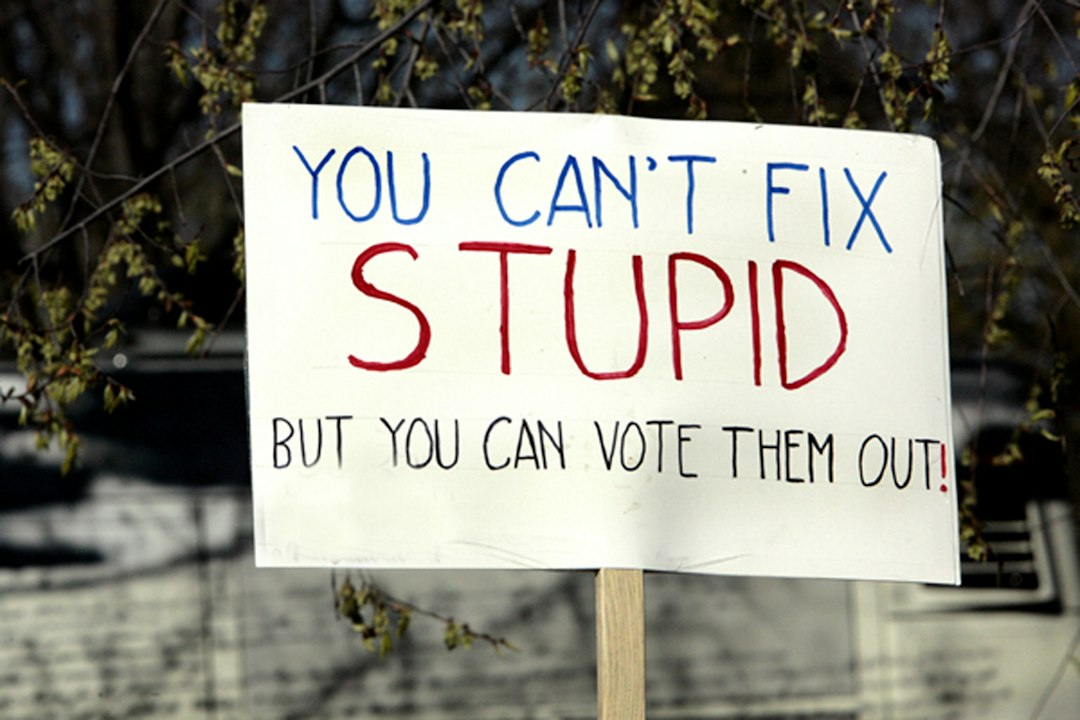
Explore the powerful role of sound in political meme culture, from the defiant "Ihull Bolsonaro" to the decisive "Sai do Grupo Petista," and learn how these audio clips shape online discourse and viral commentary.
In the charged landscape of online political discourse, sound bites are not just snippets of speech; they are potent weapons of satire, commentary, and community building. From rallying cries to exasperated sighs, these audio memes capture the zeitgeist of political conversations, allowing creators to express complex opinions with a single, impactful sound. This article delves into five key political and opinionated audio bites that have resonated deeply within digital culture. We'll explore their origins, the nuances of their usage, and how they empower creators to engage with current events, spark debate, and craft viral content that speaks volumes without uttering a single lengthy speech.
About this sound
The "Ihull Bolsonaro Sound" is a very short, playful vocal clip associated with Jair Bolsonaro, characterized by a stretched, almost goofy "ihull" exclamation. This sound has become a distinctive element in Brazilian political meme culture, functioning as a versatile reaction noise that can convey anything from exaggerated support to ironic taunting. Its sharp, brief delivery makes it ideal for fast-paced meme edits, acting as a punchline button that can underline irony, amplify a sense of patriotism, or mock a dramatic political moment. Viewers instantly recognize it as a Brazilian internet reaction sound imbued with strong political meme energy, often used in conjunction with other politically charged sounds like "Sai do Grupo Petista" to emphasize a particular stance.
This concise vocal clip, strongly associated with Jair Bolsonaro, circulates widely online as a short Brazilian political reaction sound. Its appeal lies in its brief, odd, and instantly recognizable delivery, making it a perfect fit for meme contexts and quick-fire digital commentary. Creators frequently deploy the "Ihull Bolsonaro Sound" when they need a fast reaction that reads as political, ironic, or deliberately over-the-top, without the need for a longer quote. It's particularly effective when punctuating an overconfident political statement, a patriotic visual, or a sudden zoom on Bolsonaro footage. The sound's ability to inject immediate recognition and an exaggerated comedic tone makes it invaluable for digital strategists looking to engage with political narratives in a culturally aware and impactful way, often contrasting with the more serious tone of a national anthem like the Düsseldorf Hymne.
- Reacting to political meme edits with exaggerated support or ironic commentary.
- Punching up a sudden zoom on Bolsonaro footage for comedic or dramatic effect.
- Adding irony after a bold or absurd political claim in a short video.
- Ending a Brazilian meme clip with a quick, recognizable vocal sting.
A: It is a very short vocal reaction clip associated with Jair Bolsonaro, centered on a drawn-out 'ihull' sound. People use it in memes and edits as a quick punchline, reaction marker, or ironic political accent.
A: It is best understood as a voice clip because the sound comes from a human vocalization rather than a designed effect. Even so, creators often use it like a reaction sound effect in short meme edits.
A: Its appeal comes from how brief and distinctive it is. The unusual delivery makes it easy to place after a dramatic cut, political joke, or sarcastic reveal, where it adds instant recognition and exaggerated comedic tone.
About this sound
The phrase "Sai do Grupo Petista" translates from Portuguese to "Leave the Petista group," a direct and often confrontational meme sound originating from Brazilian political discourse. It gained traction as a viral audio bite used to express exasperation or a definitive break from a politically charged online discussion, particularly those involving supporters of the Workers' Party (PT). This sound captures a moment of decisive disengagement, resonating with users who feel overwhelmed by political debates or wish to signal their departure from a specific ideological echo chamber. Its abrupt nature makes it a powerful tool for comedic or dramatic exits in digital content, reflecting the intensity of online political interactions. It often appears alongside other strong reaction sounds like Ihull Bolsonaro to underscore a particular political stance or a dramatic exit from a contentious discussion.
This short, impactful vocal clip is a staple in Brazilian meme culture, used to punctuate moments of political frustration or a dramatic exit from a contentious online conversation. Creators leverage "Sai do Grupo Petista" to add a sharp, decisive tone to their content, whether it's satirizing heated debates or comically signaling a refusal to engage further. Its clear, direct message makes it instantly recognizable to its target audience, providing a quick and effective way to inject political commentary or humorous disengagement into short-form videos and social media posts. The sound's virality stems from its ability to encapsulate a common online experience: the desire to simply 'leave the group' when discussions become too intense or partisan. It's an auditory equivalent of slamming the door on a debate, often paired with a visual of someone dramatically walking away, similar to the definitive impact of a Golpe a la mesa sound.
- Signaling a dramatic exit from a heated political debate in a meme.
- Adding a comedic punchline to a video about leaving a toxic online group.
- Reacting to an absurd political statement with a definitive "I'm out" vibe.
- Using it ironically when someone is forced to stay in a group they want to leave.
A: It's Portuguese for "Leave the Petista group," referring to a political faction, often used to express a desire to disengage from political arguments.
A: Primarily in Brazilian online communities and political memes, especially on platforms like TikTok and WhatsApp, to comment on partisan discussions.
A: While rooted in politics, its core message of "leaving a group" or "disengaging" can be adapted for general comedic situations where someone wants to dramatically exit a conversation.
About this sound
The sound byte "Bienvenido a la patria milagro (epic end)" translates to "Welcome to the miracle homeland (epic end)," a phrase that carries a strong, often ironic, political resonance in certain Spanish-speaking online communities. This clip is used to punctuate moments that are presented as grand or miraculous, but often with a satirical undertone, highlighting perceived political exaggerations or societal ironies. Its "epic end" descriptor suggests a dramatic, almost cinematic conclusion, making it a powerful tool for creators to emphasize a point with a flourish. This sound is particularly effective in memes that comment on national narratives, political promises, or the perceived state of a country, often used to underscore a moment of grandiosity that might be viewed with skepticism. It functions similarly to how a national anthem, like the Türkiye Hymne, can evoke strong nationalistic feelings, but here, it's often with a critical or humorous twist.
This dramatic audio clip, with its grand pronouncement of "Bienvenido a la patria milagro (epic end)," is a potent meme sound for injecting irony and commentary into political content. Creators deploy it to highlight moments of perceived over-the-top patriotism, unfulfilled promises, or situations where a "miracle" is announced but reality suggests otherwise. The "epic end" adds a layer of theatricality, making it perfect for satirical conclusions to videos discussing political events or societal conditions. Its impact comes from the contrast between the grandiosity of the phrase and the often-humorous or critical context in which it's used. This sound is a versatile tool for digital strategists aiming to create content that resonates with audiences who appreciate nuanced political humor and a sharp, decisive commentary on national narratives, much like the definitive impact of a Golpe a la mesa sound.
- Punctuate a video satirizing grand political promises or nationalistic rhetoric.
- Adding an ironic conclusion to content discussing the state of a country.
- Highlighting a perceived "miracle" with a comedic or critical undertone.
- Using it in a montage of political speeches to underscore moments of hyperbole.
A: It translates to "Welcome to the miracle homeland (epic end)," often used ironically in political memes.
A: It's used to satirize grand political statements, unfulfilled promises, or to highlight perceived ironies in national narratives with a dramatic, often sarcastic, flourish.
A: Videos that offer political commentary, satire, or critical observations on national events and rhetoric, especially those with a dramatic or ironic tone.
About this sound
The sound "Golpe a la mesa," which translates to "Table hit" or "Slamming the table," is a powerful and universally understood audio cue for expressing emphasis, frustration, or a definitive declaration. While not tied to a specific political figure, its use in political commentary memes is widespread, symbolizing a moment of decisive action, a final word in an argument, or an outburst of exasperation. This sharp, percussive sound instantly grabs attention and conveys a strong emotional response, making it invaluable for creators looking to punctuate a point with authority or comedic frustration. It's the auditory equivalent of a mic drop in a debate, often used to underscore a moment of unassailable truth or a dramatic end to a contentious discussion, much like the definitive exit implied by "Sai do Grupo Petista."
This impactful sound effect, representing a decisive "Golpe a la mesa," is a staple in meme culture for adding emphasis and dramatic flair to political commentary. Creators utilize it to punctuate moments of strong opinion, frustration, or when a definitive statement is being made. The sharp, sudden nature of the sound makes it an excellent tool for cutting through noise and drawing immediate attention to a key point in a video. Whether it's a politician making a bold claim, a commentator expressing exasperation, or a satirical take on a heated debate, this sound amplifies the emotional weight of the content. It's a versatile audio cue for digital strategists aiming to create engaging political memes that resonate with viewers who appreciate clear, decisive communication and a touch of dramatic irony. Its universal appeal allows it to transcend language barriers, making a statement without needing explicit dialogue, much like the symbolic weight of a national anthem such as the Düsseldorf Hymne.
- Emphasizing a definitive statement or a final word in a political debate video.
- Adding a comedic outburst of frustration to a satirical take on current events.
- Punctuate a moment of decisive action or a bold claim in political commentary.
- Using it to signify the end of a contentious discussion or an argument in a meme.
A: It translates to "Table hit" or "Slamming the table," symbolizing emphasis, frustration, or a definitive declaration.
A: It's used to punctuate strong opinions, express exasperation, or mark a decisive moment in political commentary and satirical content.
A: Absolutely. Its universal meaning of emphasis or frustration makes it suitable for any comedic or dramatic situation where a decisive action or statement is needed.
About this sound
While primarily a regional anthem, the "Düsseldorf Hymne" can be strategically repurposed in political meme culture to evoke a sense of local pride, national identity, or even ironic commentary on regionalism. Anthems, by nature, carry significant emotional weight, and when deployed in digital content, they can instantly connect with specific audiences or create a humorous contrast. In the context of political memes, this sound can be used to celebrate local achievements, satirize regional rivalries, or underscore a sense of collective identity within a specific geographic or ideological group. Its formal, uplifting tone can be used sincerely or ironically, depending on the creator's intent, making it a versatile tool for nuanced political humor. It stands in contrast to more direct vocal reactions like "Ihull Bolsonaro," offering a broader, more symbolic form of expression.
The "Düsseldorf Hymne," though a sports anthem for Fortuna Düsseldorf, can be creatively employed in political memes to evoke a sense of regional pride, national identity, or even to satirize local politics. Creators can use its uplifting, formal melody to punctuate moments of perceived triumph or to ironically highlight regional issues. The sound's inherent grandiosity makes it suitable for both sincere expressions of community spirit and for comedic juxtapositions with mundane or absurd political events. It's a powerful way to tap into collective sentiment, whether to rally support or to gently poke fun at local idiosyncrasies. For digital strategists, understanding how to leverage such culturally specific sounds allows for highly targeted and resonant content, transforming a simple anthem into a tool for political commentary and engagement, much like the dramatic flair of "Bienvenido a la patria milagro (epic end)."
- Opening a video celebrating a local political achievement or community event.
- Adding an ironic musical backdrop to a meme satirizing regional political issues.
- Punctuate a moment of collective pride or identity within a specific community.
- Using it as a humorous contrast to a mundane local news report or political gaffe.
A: It's primarily the anthem for the German football club Fortuna Düsseldorf, but can be used in memes to evoke regional pride or political commentary.
A: It can be used sincerely to celebrate local identity or ironically to satirize regional politics, highlighting perceived exaggerations or humorous aspects of local pride.
A: It typically evokes feelings of pride, unity, and community spirit, which can be leveraged for both earnest and satirical content.
The strategic deployment of political sound memes offers a unique and powerful avenue for digital creators to engage with current events and shape online narratives. From the defiant declaration of "Ihull Bolsonaro" to the definitive "Golpe a la mesa," these audio bites provide instant context and emotional resonance, allowing for nuanced commentary in a concise format. By understanding the cultural weight and algorithmic psychology behind these sounds, you can craft editorial content that not only entertains but also informs and influences. Embrace the power of sound to amplify your message, connect with politically engaged audiences, and contribute to the dynamic, ever-evolving conversation of digital politics.