Twoja tablica dźwięków
 Strona główna
 Nowe
Nowe Topics
 Popularne
 Najbardziej popularny
 Anime i Manga
 Gry
Gry Memy
Memy Filmy
Filmy Muzyka
 Polityka
 Żarty
Żarty Reakcje
 Efekty dźwiękowe
 Sport
Sport Telewizja
 Trendy TikTok
 Viralne
 WhatsApp Audio
 Warunki użytkowania
 Polityka prywatności
 Polityka praw autorskich DMCA
 Kontakt
 O nas
O nasThe Psychology of Viral Audio: How Specific Sounds Drive TikTok and Reels Engagement
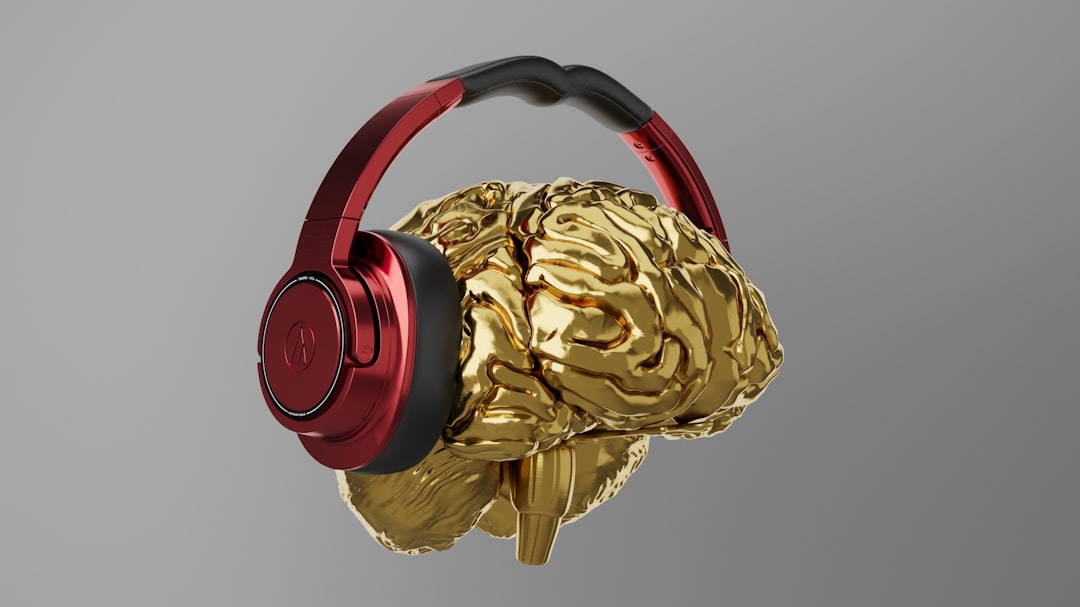
Delve into the psychological mechanisms behind viral audio, exploring how specific meme sounds trigger emotional responses, interrupt scrolling, and foster deep engagement on leading short-form video platforms.
In the competitive landscape of short-form video, understanding the psychological impact of sound is a creator's superpower. Viral audio isn't accidental; it's a carefully crafted or serendipitously discovered trigger that taps into universal human emotions, from humor and nostalgia to anxiety and triumph. This article dissects five highly engaging sounds, revealing the underlying psychological principles that make them irresistible to algorithms and audiences alike. By mastering the art of sound selection and strategic placement, creators can transform their content into an addictive, high-retention experience that dominates the digital feed.
About this sound
The German phrase 'Ich hab mich verlaufen, mmh stimmt wirklich' translates to 'I'm lost, mmh that's really true.' This soundbite gained viral traction for its deadpan delivery and the inherent absurdity of stating the obvious with such conviction. Its origin is likely from a comedic sketch or a candid moment that resonated with users for its relatable yet exaggerated sense of confusion or self-awareness. The sound's virality is driven by its versatility in expressing a moment of genuine bewilderment, ironic self-realization, or a humorous admission of being utterly lost, either literally or figuratively. It often pairs well with other sounds that convey mild panic or confusion, such as the simple yet effective Huh4 or the dramatic pause of Minuta Poshla, amplifying its comedic effect.
Creators utilize 'Ich hab mich verlaufen, mmh stimmt wirklich' to add a layer of self-aware humor or ironic commentary to situations where someone is clearly out of their depth or has made an obvious mistake. It's particularly effective in short-form content where quick, punchy reactions are key to maintaining audience attention. The humor is derived from the deadpan delivery contrasting with the often chaotic or confusing visual, fostering a sense of shared amusement at life's bewildering moments. This sound encourages viewers to laugh at the absurdity of the situation, increasing watch time as users relate to the feeling of being 'lost' in various contexts. Its ability to instantly convey a sense of relatable confusion makes it a powerful tool for algorithm-optimized content that thrives on shared human experiences, similar to the universal appeal of the Imagine getting jumped sound.
- Use for moments of relatable confusion.
- Ideal for ironic self-realization skits.
- Pairs well with visual cues of being lost.
- Enhances content with deadpan, self-aware humor.
A: No, the context and delivery usually make the meaning clear, especially with subtitles.
A: Ensure the visual context clearly sets up a situation where being 'lost' is either literal or a humorous metaphor.
A: Short skits, reaction videos, and relatable slice-of-life content that plays on everyday confusion.
2. huh4
About this sound
The 'huh4' sound is a simple, yet incredibly versatile vocalization that has become a staple in meme culture for expressing confusion, disbelief, or a mild, questioning reaction. Its origin is likely from a casual, unscripted moment that captured a universally relatable human sound. The sound's virality is driven by its brevity and its ability to instantly punctuate a moment of uncertainty or mild surprise, making it perfect for quick reaction videos and comedic edits. It often appears alongside other short, punchy sounds that convey a sense of abruptness or questioning, such as the unexpected choice in Regilio Spaghetti Kort or the dramatic pause of Minuta Poshla, amplifying its comedic effect.
Creators utilize 'huh4' to add a quick, relatable reaction to unexpected or confusing events in their content. It's particularly effective in short-form videos where every second counts, as it conveys a clear emotional response without requiring lengthy dialogue. The sound's simplicity makes it universally understood, fostering a sense of shared experience and community around common digital surprises. This makes it a powerful tool for generating quick engagement and increasing watch time, as viewers anticipate the comedic fallout of the unexpected event. Its ability to instantly convey a sense of mild confusion or questioning makes it a staple in meme culture, similar to the universal recognition of the Vine Boom Effect for sudden impact.
- Use for quick reactions to confusion.
- Ideal for unexpected plot twists or gags.
- Pairs well with bewildered facial expressions.
- Enhances content with universally relatable surprise.
A: While primarily comedic, it can subtly convey genuine confusion if the visual context is serious.
A: The visual context must clearly present something unexpected or confusing for the sound to resonate.
A: Short skits, reaction videos, and any content where quick, punchy reactions are key.
About this sound
The 'monday left me broken meme' sound is a melancholic yet catchy audio snippet that became a viral sensation, often associated with the universal feeling of dread and exhaustion that comes with the start of the work week. Its origin is from a specific song or vocal performance that resonated with users for its relatable expression of weariness. The sound's virality is driven by its ability to tap into a shared emotional experience, making it perfect for content that humorously laments the struggles of daily life, particularly the transition from weekend to weekday. It often appears alongside other sounds that convey a sense of resignation or mild despair, such as the dramatic sigh of Ich hab mich verlaufen, mmh stimmt wirklich or the general chaos of Ultimate SHITPOST, creating a layered narrative of relatable struggle.
Creators utilize 'monday left me broken meme' to infuse their content with a relatable sense of comedic despair or shared exhaustion. It's particularly effective in short-form content that humorously depicts the struggles of adulting, work-life balance, or simply the universal feeling of not wanting to face Monday. The sound's melancholic yet catchy melody makes it highly engaging, encouraging viewers to linger and relate to the emotional tone of the content. Its popularity on TikTok and Reels underscores the platforms' capacity for fostering trends around specific emotional aesthetics, demonstrating how a simple audio track can become a powerful tool for emotional storytelling and audience connection. It's a prime example of how music-driven trends capture attention and drive algorithm performance, similar to the impact of the My marmalade boy tiktok sound for sentimental content.
- Ideal for relatable content about Monday blues.
- Pairs well with humorous depictions of exhaustion.
- Use with slow-motion shots of comedic despair.
- Enhances content with shared emotional experiences.
A: While primarily melancholic, it can be used ironically to contrast with a surprisingly good Monday.
A: Focus on common, everyday struggles that many people experience, especially related to work or school.
A: Short, looping videos (10-30 seconds) work best to capture its emotional essence and maximize shares.
4. Минута пошла
About this sound
The 'Minuta Poshla' (Минута пошла) sound is a Russian vocal cue that translates to 'The minute has started' or 'The clock is ticking.' It gained immense viral popularity as the ultimate 'countdown' or 'challenge' signal, often used to mark the beginning of a high-stakes, time-sensitive event in digital content. Its origin is likely from a game show, a dramatic announcement, or a specific cultural reference that resonated with users for its authoritative and urgent tone. The sound's virality is driven by its ability to instantly create a sense of narrative urgency and dramatic tension, making it perfect for challenge videos, speed-runs, or any content where time is a critical factor. It often appears alongside other dramatic or suspenseful sounds, such as the profound statement of Kermit With Great Power or the intense build-up of Android Spam Earrape, creating a layered narrative of mock epic proportions.
Creators utilize 'Minuta Poshla' to inject a moment of authoritative pressure and narrative urgency into their content. It's particularly effective in challenge videos, speed-run montages, or any content where a clear, time-bound objective is presented. The sound's clinical, almost robotic delivery makes it instantly recognizable as a signal of a serious, time-sensitive event, forcing viewers to pay attention and anticipate the outcome. This makes it a powerful tool for generating high engagement and increasing watch time, as viewers are compelled to stay and see if the challenge is completed within the allotted 'minute.' Its ability to instantly convey a sense of high stakes makes it a staple in meme culture, similar to the universal recognition of the Smoke Detector Beep for irritation, but with a dramatic twist.
- Best for marking speed-run starts.
- Ideal for 'challenge' lifestyle skits.
- Works well with ticking clock visual filters.
- Great for building authoritative drama.
A: It translates roughly to 'The minute has started' or 'The clock is ticking,' used here for comedic pressure.
A: It creates an unresolved auditory tension that the brain instinctively wants to stay to hear resolved before the scroll.
A: It is most effective as a 1-second intro for high-speed montages or 60-second challenge tutorials.
About this sound
The 'Xxxtentacion what in the xxxtarnation' sound is a vocal snippet featuring a distinctive, almost exasperated delivery of the phrase 'What in the Xxxtarnation?' This soundbite gained viral traction for its unique blend of surprise, confusion, and mild outrage, often used as a reaction to something truly bizarre or unexpected. Its origin is from a clip featuring the late artist XXXTentacion, where his unique vocal inflection turned a simple phrase into a meme. The sound's virality is driven by its ability to instantly convey a strong, yet comically exaggerated, reaction to absurdity, making it perfect for reaction videos and comedic edits. It often appears alongside other sounds that express disbelief or mild panic, such as the simple yet effective Huh4 or the dramatic sigh of Ich hab mich verlaufen, mmh stimmt wirklich, creating a layered comedic effect.
Creators utilize 'Xxxtentacion what in the xxxtarnation' to add a quick, punchy reaction to truly bizarre or unexpected events in their content. It's particularly effective in short-form videos where every second counts, as it conveys a clear emotional response without requiring lengthy dialogue. The sound's unique vocal inflection makes it instantly recognizable, fostering a sense of shared experience and community around common digital surprises. This makes it a powerful tool for generating quick engagement and increasing watch time, as viewers anticipate the comedic fallout of the unexpected event. Its ability to instantly convey a sense of bewildered outrage makes it a staple in meme culture, similar to the universal recognition of the Imagine getting jumped sound for ironic commentary.
- Use for reactions to bizarre or unexpected events.
- Ideal for surprising plot twists or visual gags.
- Pairs well with exasperated facial expressions.
- Enhances content with unique, punchy reactions.
A: No, its humor is universal, stemming from the unique delivery and relatable reaction.
A: The visual context must clearly present something truly bizarre or unexpected for the sound to resonate.
A: Short skits, reaction videos, and any content where quick, punchy reactions to absurdity are key.