 Twoja tablica dźwięków


 Strona główna
 Nowe
Nowe Topics
 Popularne
 Najbardziej popularny
 Filmy
Filmy Anime i Manga
 Gry
Gry Memy
Memy Filmy
Filmy Muzyka
 Polityka
 Żarty
Żarty Reakcje
 Efekty dźwiękowe
 Sport
Sport Telewizja
 Trendy TikTok
 Viralne
 WhatsApp Audio
 Warunki użytkowania
 Polityka prywatności
 Polityka praw autorskich DMCA
 Kontakt
 O nas
O nasDecoding Viral Audio: The Strategic Use of Sound in Digital Content
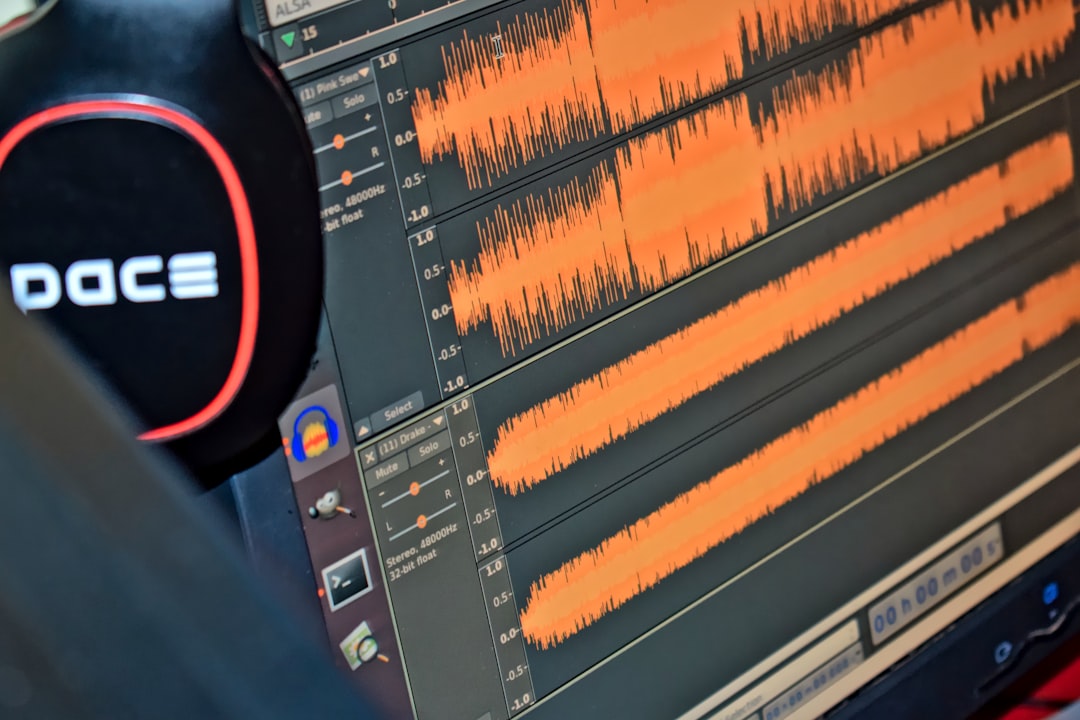
Explore how digital creators leverage specific meme sounds to capture attention, drive engagement, and build community across platforms like TikTok and Reels. This article breaks down five key viral audio trends and their psychological impact.
In the fast-paced world of digital media, sound is no longer just background noise; it's a powerful tool for engagement, virality, and cultural connection. A perfectly timed meme sound can transform a mundane video into a shareable sensation, tapping into collective humor and shared experiences. Understanding the nuances of "soundboard culture" and "meme audio analysis" is crucial for any strategist aiming for "algorithm-optimized editorial writing". This article delves into five distinct viral sounds, dissecting their origins, psychological hooks, and practical applications for creators looking to elevate their content and master "TikTok / Reels engagement psychology".
1. Baldi Three
About this sound
The "Baldi Three" sound originates from the indie horror game "Baldi's Basics in Education and Learning," specifically from the character Baldi's counting dialogue. This sound snippet, often a distorted or emphasized "three," became a meme due to the game's unexpected virality and its unique, unsettling aesthetic. Its popularity soared as creators used it to punctuate moments of sudden realization, impending doom, or comedic absurdity, often in conjunction with other gaming sounds like the classic Minecraft Uff or the dramatic build-up of Number Lore 5. The sound's distinct, slightly off-kilter delivery makes it instantly recognizable to a broad audience, especially within gaming communities.
Creators deploy "Baldi Three" to add a layer of quirky tension or unexpected humor. It's particularly effective in videos where a countdown leads to an anticlimactic reveal or a surprising twist. The sound's slightly eerie quality makes it ideal for comedic horror skits or videos that build suspense before a punchline. Its short, punchy nature ensures it cuts through the noise, making it highly memorable. Think of it as a sonic exclamation point for moments that are both funny and slightly unsettling, often paired with visual cues that amplify the absurdity, much like how creators use the Six seven 67 sound for numerical emphasis.
- Layer over a visual countdown for a comedic reveal.
- Synchronize with a sudden visual change or jump scare.
- Use to emphasize the third point in a humorous list.
- Combine with glitch effects for an unsettling vibe.
A: It excels in comedic horror, ironic suspense, or videos where a numerical sequence leads to an unexpected outcome.
A: Absolutely! Its quirky nature makes it versatile for any content needing a touch of oddball humor or sudden emphasis.
A: Experiment with pitch shifts or reverb to enhance its unsettling quality, or combine it with a sudden silence before the sound.
About this sound
The sound "Rene kijk eens dom ja how maar" (Rene, look stupid, yes, but how) is a Dutch-language meme that gained traction for its direct and somewhat comical command. Its origin is likely from a candid or unscripted moment, possibly from a reality show or a viral social media clip, where someone is playfully or exasperatedly telling a "Rene" to "look stupid." This sound is a prime example of how specific, culturally embedded phrases can transcend their original context to become universal expressions of frustration, disbelief, or ironic instruction, similar to the global appeal of sounds like Koshka Meuu or MIAUU in expressing simple, relatable reactions.
This sound is a go-to for creators looking to inject a dose of playful exasperation or direct, humorous commentary into their content. It's often used when someone in a video is doing something perceived as foolish, or when reacting to a particularly absurd situation. The Dutch phrasing adds an exotic, yet universally understandable, layer of comedic effect, making it stand out. Its utility lies in its ability to deliver a quick, pointed, and funny reaction without needing extensive explanation, making it perfect for rapid-fire meme edits on platforms like TikTok, much like the concise impact of Accha.
- Use as a reaction sound to a friend's foolish act.
- Apply to videos depicting common relatable blunders.
- Layer over pet videos exhibiting funny, confused behavior.
- Combine with text overlays for added context and humor.
A: Content featuring relatable mishaps, comedic reactions to absurd situations, or playful teasing among friends.
A: Not usually. The tone and context often convey the humor universally, even without understanding Dutch.
A: Use it sparingly for punchlines, and consider adding subtitles for the translation if your audience isn't familiar with Dutch.
3. Кошка меуу
About this sound
"Кошка меуу" (Koshka Meuu) is a Russian phrase translating to "cat meow," and the sound itself is a distinctive, often exaggerated or cute cat meow. This sound became a viral sensation due to the internet's enduring love for cat content and the inherently charming nature of animal sounds. It's frequently used to represent cuteness, innocence, or a playful demand, often in videos featuring pets or in situations where someone is acting "cat-like." Its simplicity and universal appeal make it a staple in the "meme sound culture," much like other animal-related sounds or even human vocalizations used for comedic effect, such as the expressive uiaa sound or the dramatic Dolidas heart.
Creators utilize "Кошка меуу" to instantly evoke feelings of warmth, cuteness, or playful mischief. It's perfect for videos showcasing adorable pets, children, or even adults acting in a charmingly naive manner. The sound's gentle yet insistent tone can also be used ironically, juxtaposed with chaotic or intense visuals for comedic contrast. Its short duration and clear pronunciation make it highly adaptable for quick edits and transitions, contributing to its high "TikTok / Reels engagement psychology" value. It's a versatile sound that can soften a scene or add a touch of innocent humor, similar to how a well-placed cute gifts sound effect can enhance a moment.
- Overlay on videos of cats doing funny or cute things.
- Use for reaction videos where someone is acting innocent.
- Add to short skits involving playful demands or requests.
- Combine with slow-motion effects for enhanced cuteness.
A: While popular with cats, it's versatile for any content aiming for cuteness, innocence, or playful demands.
A: Place it over a serious or intense scene to create a humorous, unexpected contrast.
A: Not significantly. The sound itself is universally understood as a cat's meow, making its origin less critical to its widespread appeal.
About this sound
The sound "Tienes 14 activa cam" (You are 14, activate cam) is a Spanish phrase that gained notoriety, often in a humorous or cringe-worthy context, related to online interactions. Its origin is likely from a viral clip or livestream where this phrase was uttered, potentially in a situation that was awkward, inappropriate, or simply became a meme due to its directness and the specific age reference. This sound taps into the internet's fascination with strange or uncomfortable social interactions, often used to highlight moments of perceived creepiness, or as a self-deprecating joke about online behavior, similar to the unexpected virality of sounds like Jeremstar Je hurle or the directness of газан.
Creators use "Tienes 14 activa cam" to add a layer of dark humor, awkwardness, or ironic commentary to their content. It's particularly effective in skits that parody online interactions, or in reaction videos to questionable behavior seen on the internet. The sound's impact comes from its specific, slightly unsettling nature, making it memorable and shareable for its shock value or comedic cringe. It's a sound that thrives on context, often requiring a visual setup to fully land its punchline. Its ability to create a moment of shared, uncomfortable laughter is a testament to its "viral audio editing patterns" effectiveness, much like the unexpected turns in content featuring Хуй Эдит с грю 1.
- Use in skits parodying online dating or chat interactions.
- Apply as a reaction to overly forward or inappropriate comments.
- Integrate into dark humor or cringe compilation videos.
- Combine with dramatic pauses for heightened comedic effect.
A: It can be, depending on context. It's often used for dark humor or satire, so consider your audience.
A: By setting up a clear comedic or satirical context that justifies the sound's potentially uncomfortable nature.
A: Less commonly, but it could be used in a highly ironic or self-deprecating way if the humor is clear.
5. It's realme
About this sound
The "It's realme" sound is a short, emphatic declaration that has become a popular meme, often associated with moments of genuine surprise, self-identification, or a dramatic reveal. While its exact origin might be obscure, it likely stems from a moment where someone genuinely exclaimed "It's real me!" or "It's Realme!" (referencing the phone brand) in a memorable way. This sound is frequently used to punctuate moments of authenticity, unexpected appearances, or when a creator wants to highlight a personal connection or a genuine reaction, much like the iconic Apple pay original sound signifies a definitive action or the simple, affirming aspetta.
Digital creators leverage "It's realme" to add a touch of authenticity or a dramatic flourish to their content. It's ideal for videos where a creator makes a surprise appearance, reveals a hidden talent, or simply wants to emphasize a genuine emotion or statement. The sound's declarative nature makes it highly effective for transitions or as a punchline, creating a sense of finality or truth. Its concise delivery ensures it fits seamlessly into fast-paced edits, making it a valuable asset for "viral audio editing patterns" on platforms like Reels. It's about making a statement with sound, often leading to increased viewer retention and engagement, similar to how a distinct sound like Number Lore 4 can mark a specific segment.
- Feature after a surprise guest appearance in a video.
- Use to punctuate a moment of self-reflection or personal truth.
- Integrate into "before and after" transformation videos.
- Combine with a quick visual zoom for added emphasis.
A: In moments of genuine surprise, dramatic reveals, or when emphasizing personal authenticity.
A: Yes, by using it ironically after a clearly fake or exaggerated reveal, adding a layer of meta-humor.
A: Its declarative nature creates a memorable moment, often prompting viewers to react or comment on the "realness" of the content.