Jouw Soundboard
 Home
Home Nieuw
Nieuw Topics
 Trending
 Meest populair
 Anime & Manga
 Spellen
 Memes
Memes Films
Films Muziek
 Politiek
 Grappen
 Reacties
 Geluideffecten
 Sporten
 Televisie
 TikTok-trends
 Viraal
 WhatsApp-audio’s
 Gebruiksvoorwaarden
 Privacybeleid
 DMCA Copyrightbeleid
 Contact opnemen
 Over ons
Music & Voice: Crafting Viral Narratives with Auditory Hooks
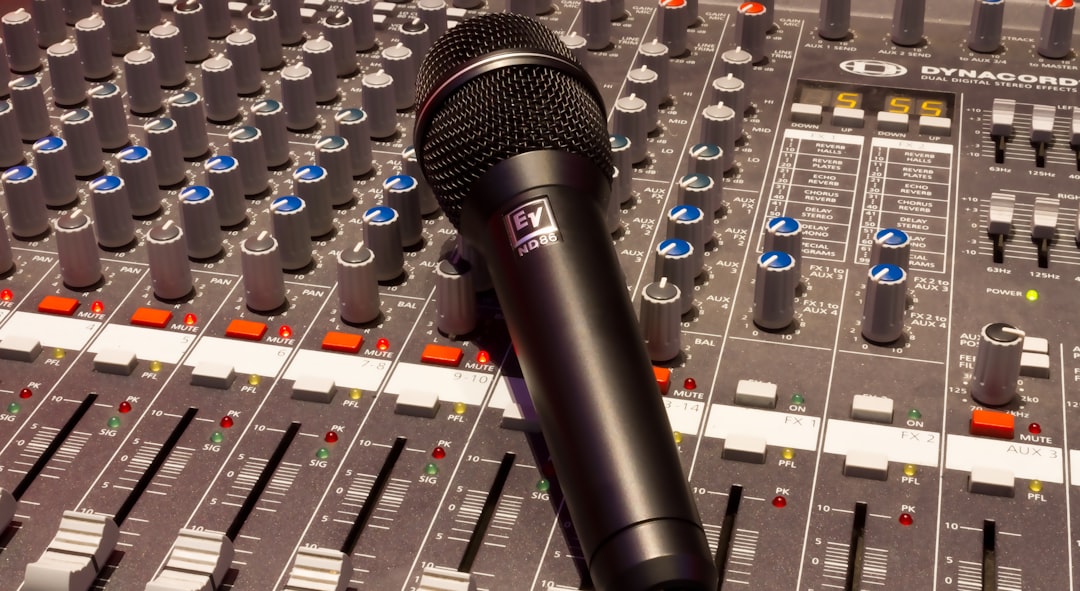
Explore how distinct vocalizations and musical snippets become powerful hooks, driving viral narratives and emotional resonance in digital content.
In the dynamic landscape of digital content, the human voice and compelling musical snippets possess an unparalleled ability to captivate audiences and drive viral narratives. From the subtle hum of an expressive vocalization to the powerful chant of a parody song, these auditory hooks transcend mere background noise, becoming integral to a video's emotional impact and meme potential. Mastering the art of selecting and deploying these sounds is crucial for creators aiming to forge deep connections and achieve widespread engagement. This article delves into five distinct vocal and musical sounds, dissecting their origins, cultural significance, and offering strategic advice for creators to weave them into their content, crafting unforgettable auditory experiences.
1. uuUUuu
About this sound
The elongated, almost ethereal "uuUUuu" sound is a versatile meme sound for conveying a range of emotions, from subtle confusion to dramatic realization, or even a playful sense of wonder. Its virality stems from its open-ended nature, allowing creators to imbue it with various meanings depending on the visual context. It often appears when a character is processing information, having a sudden thought, or experiencing a moment of quiet contemplation. It shares a similar expressive quality with the HAAAAAAA sound, both relying on vocalizations to convey emotion. The sound's adaptability makes it a powerful tool for creators, much like the flexible nature of the Chilli mobillig høy 2 sound for various comedic setups.
Creators deploy this sound to punctuate moments of internal monologue, to signal a character's thought process, or to add a touch of whimsical introspection to their content. It's particularly effective in short-form videos that rely on subtle humor and a sense of playful ambiguity. The sound's drawn-out nature allows for dramatic timing, building anticipation before a comedic or insightful payoff. It can be paired with visuals of a character looking thoughtful, a sudden zoom on their face, or a quick montage of abstract ideas, creating an engaging and thought-provoking experience. Its ability to instantly convey a sense of 'hmm' or 'aha!' makes it an invaluable tool for creators looking to add a touch of nuanced, human expression to their content, similar to the universal appeal of meu deus for moments of comedic despair.
- Ideal for conveying subtle confusion or realization.
- Use for internal monologues or thought processes.
- Combine with visuals of thoughtful expressions.
- Effective for adding whimsical introspection.
A: Confusion, realization, wonder, contemplation, or even a subtle sense of unease.
A: No, its ambiguity makes it versatile for both serious and comedic, whimsical content.
A: Its drawn-out, almost questioning tone encourages the audience to ponder alongside the character.
About this sound
The raw, guttural vocalization of "OH WA AH AH AH! Disturbed Vocal only" from the band Disturbed's iconic track "Down with the Sickness" is a powerful meme sound for signaling intense aggression, dramatic build-up, or a sudden, primal outburst. Its virality stems from its sheer intensity and its ability to instantly inject a dose of raw, unbridled energy into any scene. It often appears before a dramatic reveal, a moment of intense action, or to comically exaggerate a character's frustration. It shares a similar high-impact, aggressive quality with the ESTOURADO sound, both designed to create a strong, immediate reaction. The sound's distinct vocal delivery makes it instantly recognizable, much like the unique phrasing of I got a glock in my rori.
Creators deploy this sound to punctuate moments of extreme anger, to introduce a powerful character, or to comically exaggerate a minor inconvenience into a full-blown rage. It's particularly effective in gaming montages, action-packed skits, or any short-form video that aims for an aggressive, high-octane feel. The sound's primal scream makes it instantly impactful, adding a layer of raw emotion and intensity to any scene. It can be paired with visuals of a character transforming, a sudden burst of violence (comedic or otherwise), or a dramatic close-up on an enraged face, creating an unforgettable auditory and visual experience. Its ability to instantly elevate the energy of a scene makes it a go-to for creators looking to make a powerful statement, similar to the dramatic flair of Timmy trumpet freaks.
- Ideal for intense aggression or dramatic outbursts.
- Use for powerful character introductions.
- Combine with visuals of transformation or sudden violence.
- Effective for adding raw, unbridled energy.
A: It's the iconic intro vocalization from Disturbed's song "Down with the Sickness."
A: While intense, it can be used comically to exaggerate minor frustrations into full-blown rage.
A: Its primal, guttural nature evokes a sense of raw, untamed energy and aggression.
About this sound
This viral lyric clip, "I got a glock in my rori," has become a meme audio for chaotic flex jokes, ironic hype edits, and a general sense of unearned swagger. Originating from a popular rap song, its virality stems from its slightly absurd phrasing and its ability to instantly convey a sense of playful bravado or comedic menace. It often appears when a character is showing off something mundane with exaggerated confidence, or making a bold, yet ultimately harmless, declaration. It shares a similar assertive energy with the Because we can sound, both signaling a strong, unyielding presence. The sound's distinct vocal delivery makes it instantly recognizable, much like the unique phrasing of OH WA AH AH AH! Disturbed Vocal only.
Creators deploy this sound to punctuate moments of ironic flexing, to introduce a character with an exaggerated sense of importance, or to comically elevate a mundane object into something dangerous. It's particularly effective in short-form videos that thrive on self-aware humor and a touch of playful absurdity. The sound's confident, almost nonchalant delivery makes it instantly impactful, adding a layer of swagger or comedic menace to any scene. It can be paired with visuals of someone showing off a toy gun, a character making a dramatic entrance with a silly prop, or a quick montage of 'flexing' moments, creating an engaging and humorous experience. Its ability to instantly convey a sense of playful bravado makes it an invaluable tool for creators looking to add a touch of unique charm to their content, similar to the subtle humor of the Dwayne Rock Johnson Eyebrow raise meme.
- Ideal for ironic flexing and exaggerated swagger.
- Use for character introductions with comedic menace.
- Combine with visuals of showing off mundane objects.
- Effective for adding playful absurdity to content.
A: It's a phonetic spelling of "Rari," short for Ferrari, implying a luxury car.
A: No, it's widely used in meme culture for general ironic flexing and comedic bravado.
A: By juxtaposing a serious, aggressive lyric with absurd or mundane visuals, creating ironic humor.
About this sound
The "We are Charlie Kirk (song)" is a parody chant song that has taken political meme culture by storm, used ironically in TikTok edits for satire and exaggerated identity jokes. Its virality stems from its contagious feeling of intense excitement and ironic authority, making it a powerful tool for creators who want to inject a dose of satirical flair or comedic groupthink into their content. It often appears when a character is embracing an over-the-top identity or engaging in bizarrely confident behavior. It shares a similar high-impact, celebratory quality with the Timmy trumpet freaks drop, both designed to create a sense of collective excitement. The sound's rhythmic chanting makes it instantly recognizable, much like the distinct vocalizations in OH WA AH AH AH! Disturbed Vocal only.
Creators deploy this sound to highlight moments of ironic 'victory' reveals, to build community hype around a shared, often absurd, idea, or to add a satirical flair to competitive content. It's particularly effective in short-form videos that play on political commentary, social satire, or the aesthetics of group identity. The sound's energetic chanting makes it instantly impactful, adding a layer of unhinged enthusiasm or playful mockery to any scene. It can be paired with visuals of a character leading a crowd, a sudden reveal of a 'team' or 'faction,' or a quick montage of exaggerated group activities, creating an engaging and thought-provoking experience. Its ability to instantly convey a sense of ironic authority makes it an invaluable tool for creators looking to add a touch of unique charm to their content, similar to the subtle humor of the Dwayne Rock Johnson Eyebrow raise meme.
- Best for ironic 'victory' reveals and community hype.
- Ideal for building satirical flair in political commentary.
- Works well with high-contrast filters and visual distortions.
- Great for adding unhinged enthusiasm to group content.
A: It originated as a satirical chant mocking over-the-top political youth organizing, quickly becoming a multi-use meme.
A: No, it's widely used for any content involving exaggerated group identity or ironic enthusiasm.
A: By applying an intense, almost cult-like chant to often absurd or mundane contexts, highlighting irony.
5. meu deus
About this sound
The Portuguese phrase "meu deus," translating to "my God," is a highly versatile meme sound for expressing shock, disbelief, exasperation, or comedic despair. Its virality stems from its universal emotional resonance and its ability to instantly communicate a strong reaction to unexpected events. It often appears after a character witnesses something absurd, experiences a sudden setback, or is simply overwhelmed by a situation. It shares a similar expressive quality with the HAAAAAAA sound, both relying on vocalizations to convey emotion. The sound's adaptability makes it a powerful tool for creators, much like the flexible nature of the uuUUuu sound for various emotional expressions.
Creators deploy this sound to punctuate moments of comedic shock, to signal a character's overwhelming disbelief, or to add a touch of dramatic exasperation to their content. It's particularly effective in short-form videos that rely on quick cuts and punchy comedic timing, adding a layer of auditory emphasis to unexpected events. The sound's clear, concise delivery makes it instantly impactful, creating a memorable sensory experience. It can be paired with visuals of a character looking stunned, throwing their hands up in exasperation, or a sudden zoom on their face as they react to something absurd. Its ability to instantly convey a strong emotional reaction makes it an invaluable tool for creators looking to add a touch of relatable, human drama or humor to their content, similar to the universal appeal of Mario fail for moments of comedic despair.
- Ideal for expressing shock, disbelief, or exasperation.
- Use for comedic despair or overwhelming situations.
- Combine with visuals of stunned reactions or dramatic sighs.
- Effective for adding relatable human drama or humor.
A: Shock, disbelief, exasperation, comedic despair, or even genuine surprise.
A: No, its versatility allows it to be used for both dramatic and highly comedic, ironic situations.
A: Its direct translation and common usage for strong emotional responses make it instantly impactful.
Dit artikel delen