Over

A loud aggressive roar audio used in meme culture to exaggerate anger reactions, dramatic entrances, chaos moments, and over-the-top humorous threats.

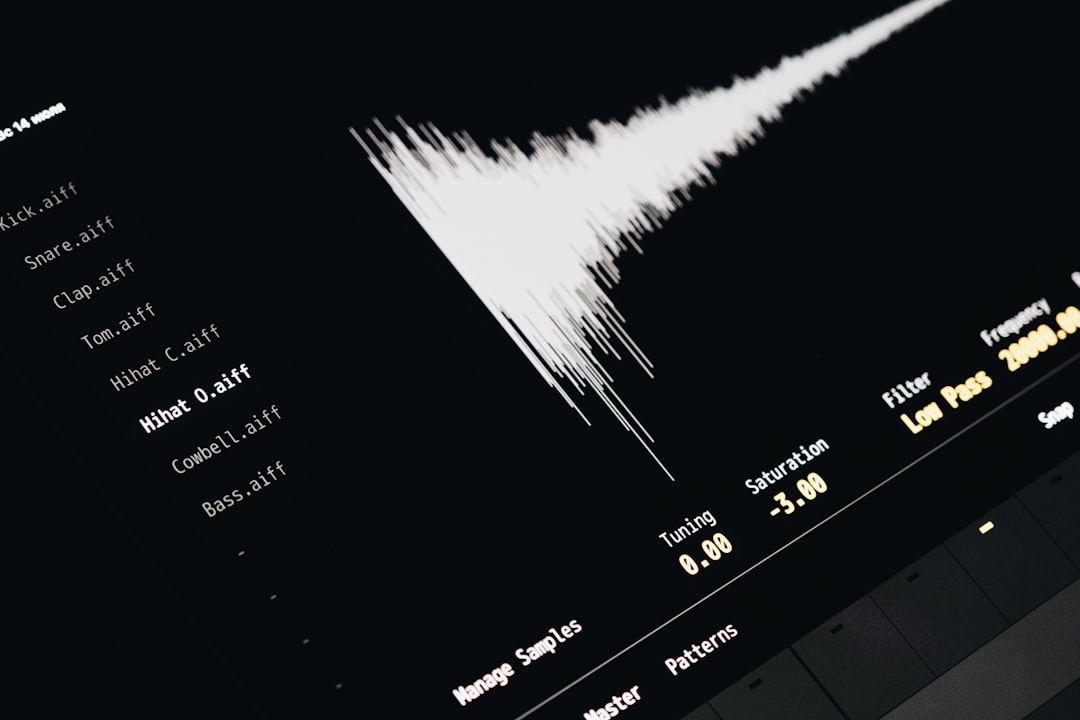
This clip is a brief, raspy roar that sounds like someone or something letting out a dramatic “raaar” growl. It lands somewhere between a playful monster noise and a mock scary sound, which makes it more funny than threatening. Because it is short and punchy, it works well as a reaction cue when a video cuts to an angry face, creature costume, pet moment, or sudden close-up. Viewers usually read it as exaggerated chaos, fake menace, or goofy intensity rather than a serious horror effect.

The exact source of this clip is not clearly identified from the available information, so it is best treated as a short generic roar used online as a reaction sound. Clips like this spread through meme edits, prank videos, and short-form posts because they instantly signal exaggerated danger or playful aggression. Its appeal comes from being easy to understand without context: creators can drop it over a zoom-in, costume reveal, or chaotic moment and get a quick laugh from the contrast between the sound and the visual.

Professionele tip voor gebruik

Place this roar right on a fast zoom, face reveal, or creature cutaway, then stop the music for a split second before it hits. It works best with silly visuals or fake scares, not realistic horror footage that needs a deeper, more cinematic growl.

Gebruiksscenario's

  • Adding a fake monster reveal in a meme edit.
  • Punctuating a pet lunging playfully at the camera.
  • Making a friend entrance look dramatically unhinged.
  • Selling a mock jump scare in short videos.

Veelgestelde vragen

What is the Raaaar sound?
It is a short roaring or growling sound effect that resembles a playful monster yell. People usually use it in memes, reaction edits, and prank clips to make a moment feel dramatic, chaotic, or intentionally silly.
Where is this roar sound from?
The exact original source is not confirmed from the available details. In practice, it functions as a generic meme roar that creators reuse across short videos, joke edits, and fake scare moments rather than as a clip tied to one famous scene.
How do people use this sound in videos?
Creators usually place it on a sudden zoom, a costume reveal, a pet reaction, or an over-the-top entrance. It works best when the visual is funny or absurd, because the exaggerated roar adds comedic fake menace instead of real fear.

Meest populair

Bekijk alles