당신의 사운드보드


 홈
 새로운
 Topics
 인기
 가장 인기 있는
 동영상
 애니메 & 만화
 게임
 밈
 영화
 음악
 정치
 장난
 반응
 사운드 효과
 스포츠
 텔레비전
 틱톡 트렌드
 바이럴
 WhatsApp 오디오
 이용 약관
 개인정보 보호정책
 DMCA 저작권 정책
 문의하기
 회사 소개
From Dinner Debates to Operatic Reveals: The Soundboard Elements Driving Modern Video Editing
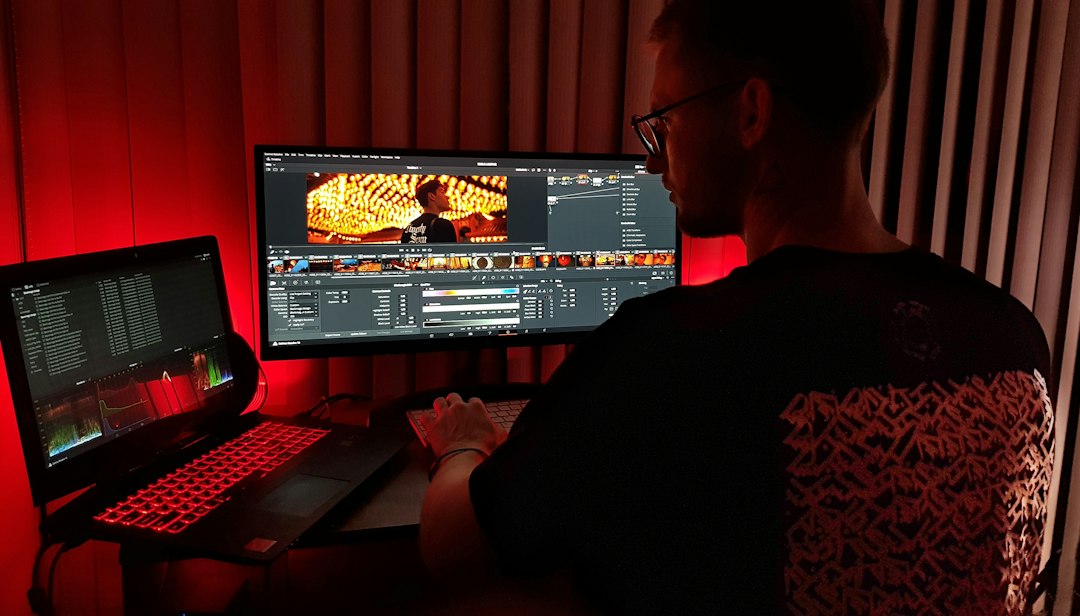
Explore how viral audio clips like Amor Quieres Comer and Queen's operatic harmonies elevate short-form video storytelling.
In the creator economy, holding a viewer's attention for longer than ten seconds requires an expert command of micro-pacing and audio psychology. Modern digital media thrives on relatable human quirks—whether it is the universal struggle of deciding what to eat for dinner or the dramatic flair of a grand theatrical entrance. By anchoring your edits to instantly recognizable audio cues, you bypass intellectual processing and trigger an immediate emotional or humorous response from your audience.
Leveraging these cultural soundbytes effectively means knowing how to pair them with complementary effects. For instance, transitioning from a lighthearted food debate into a bombastic musical number like I See A Little Silhouette Sound creates a hilarious contrast that keeps retention rates soaring. Whether you are cutting a Roblox gaming highlight or crafting a couple's vlog, these five soundboard treasures will give your content the competitive algorithmic edge it deserves.
About this sound
This six-second clip is a playful Spanish voice line in which someone affectionately asks their partner whether they want a hamburger or pizza. Delivered in a casual, teasing tone, it sounds like a quick question dropped into the middle of a game or a couple's joke, with the food choice landing as the punchline. Listeners recognise it instantly as a lighthearted relationship moment rather than a serious conversation, which makes it feel warm, silly and relatable. In edits it adds instant personality, turning an ordinary decision about dinner into a funny, shareable beat that viewers can imagine happening in their own relationships. For pairing with food dilemmas, creators often transition from Amor Quieres Comer Sound Effect directly into Galvão Bem Amigos Terminou when a dinner plan completely collapses.
The line comes from a short Roblox Strongest Battlegrounds meme shared by creator venomxya25, where the Spanish question about hamburger or pizza is used as a playful, affectionate joke. Its hashtags place it in Roblox meme and short-form video culture, where quick voice lines are lifted from gameplay clips and reused far beyond their original scene. The appeal is simple: the question is easy to understand, easy to lip-sync, and easy to drop into couple content, food polls and gaming edits. That flexibility has kept it circulating as a small, recognisable meme sound rather than a one-off joke.
- Creators use it when a couple debates dinner plans.
- Editors pair it with a hamburger versus pizza poll.
- Gamers add it to funny Roblox gameplay moments.
- Couples use it for cute food-choice reaction videos.
A: It translates to 'love, do you want to eat a hamburger or pizza?' The word amor is used affectionately for a partner, so the line sounds like a playful question about choosing dinner rather than a formal invitation.
A: It comes from a short Roblox Strongest Battlegrounds meme shared by venomxya25, where the Spanish food question is used as a lighthearted joke. It later circulated as a reusable clip in short-form gaming and couple edits.
A: Creators drop it before a food choice, a dinner debate or a reaction shot, often cutting to the hamburger, the pizza or a funny response. It works best when the voice stays clear and the visual answers the question.
About this sound
This clip captures the moment Queen shifts Bohemian Rhapsody into its operatic passage, with Freddie Mercury and the band layering voices in tight, theatrical harmony on the line about seeing a little silhouette of a man. The singing is bright, precise and deliberately over the top, rising in pitch and intensity as more voices join, so it feels both grand and slightly absurd. Played on its own, it instantly signals that something dramatic, mysterious or comically serious is about to happen, which is why it lands so well as a punchline or a build-up before a reveal. For dramatic entrances, pairing I See A Little Silhouette Sound with character themes like Patrick Jane Sound Clip creates an unforgettable comedic punch.
The line comes from Bohemian Rhapsody, the 1975 Queen single written by Freddie Mercury for the album A Night at the Opera, where it opens the song's celebrated operatic middle section. Decades later the passage became a staple of online edits and reaction videos, often clipped at this exact line because it works as a self-contained dramatic cue. Its theatrical harmony and instantly recognisable melody keep it in circulation for parodies, transitions and meme formats that need an overblown sense of occasion.
- Teasing a mysterious character before their first appearance.
- Introducing a dramatic plot twist in a video edit.
- Reacting to an unexpected silhouette in a doorway.
- Building suspense before a costume or cosplay reveal.
A: It's a short clip of the operatic harmony line from Queen's Bohemian Rhapsody, where the band sings about seeing a little silhouette of a man before the operatic section builds further.
A: It comes from Bohemian Rhapsody by Queen, released in 1975 on A Night at the Opera and written by Freddie Mercury, at the start of the song's famous operatic passage.
A: Creators use it because the sudden operatic harmony makes an ordinary reveal feel grand and theatrical, giving a simple silhouette, entrance or twist a dramatic, funny payoff in just a few seconds.
About this sound
A short clip of Galvão Bueno saying “Bem amigos, terminou,” from Brazilian sports TV, used in memes to mark a fail, ending or sudden shutdown. This sound is a quick, recognisable sign-off from Brazilian commentator Galvão Bueno: “Bem amigos, terminou.” It has the polished, dramatic tone of a live sports broadcast, but in meme edits it lands like a final verdict. The clip is usually dropped right after something goes wrong, ends badly or simply reaches an absurd conclusion. Because the line sounds official and definitive, it gives videos a funny sense of closure, as if a commentator has stepped in to announce that the whole situation is over. When ending chaotic compilations, editors frequently transition from Galvão Bem Amigos Terminou straight into Awawawa Orange Cat Sound Effect.
This phrase is associated with Brazilian sports broadcaster Galvão Bueno, whose voice became a staple of major football coverage on television. Online, the short “Bem amigos, terminou” cut spread as a reaction audio because it sounds like an official end-of-broadcast sign-off. It remains popular in Brazilian meme culture on Instagram, TikTok and WhatsApp edits, where creators use it to punctuate defeats, awkward endings and sudden collapses with a familiar sports-commentary tone.
- Ending a football fail clip with mock dramatic finality.
- Cutting off a sketch right after the joke dies.
- Reacting to a disastrous game round or missed goal.
- Closing a meme montage when chaos has peaked.
A: It is a short Portuguese reaction clip of Galvão Bueno saying “Bem amigos, terminou,” used online as a comedic way to signal that something is over, failed badly or ended in total collapse.
A: The voice is associated with Brazilian sports commentator Galvão Bueno, known for his television football broadcasts. In meme form, the clipped line is reused as a dramatic closing statement for many different kinds of videos.
A: It works because the delivery sounds formal, familiar and final, like a broadcaster wrapping up an event. That makes it perfect for edits where a joke, plan, match or argument ends suddenly and needs a funny sense of closure.
About this sound
Awawawa Oren is a brief, one-and-a-half-second burst of an orange cat making a rapid, wobbly awawawa vocalisation that sounds halfway between a meow, a chatter and a tiny, confused argument with itself. The pitch rises and falls in quick, uneven syllables, giving it a goofy, cartoonish energy that instantly reads as a cat reacting to something it does not quite understand. Because it is so short and expressive, it lands like a punchline: viewers hear the frantic little noise, picture a wide-eyed orange cat, and smile before they have processed the joke. It works best as a sudden reaction, turning an ordinary moment into something absurd and affectionate. For pet reaction videos, pairing Awawawa Orange Cat Sound Effect with Amor Quieres Comer Sound Effect creates maximum comedic chaos.
The name comes from Indonesian internet slang, where kucing oren simply means orange cat, a type of cat widely shared in funny pet videos for its chaotic, expressive behaviour. This short clip fits that tradition, offering a ready-made reaction noise that creators can drop into edits without needing the original video. Its appeal is not a single famous scene, but the instantly recognisable orange-cat personality it suggests, which is why it keeps appearing in pet compilations, reaction edits and short-form posts about cats behaving unpredictably, alongside other cat laugh clips shared by pet accounts.
- Reacting to a cat knocking something off a table.
- Punching up a confused pet reaction video.
- Captioning an orange cat demanding food loudly.
- Ending a short clip with a silly feline outburst.
A: It is a short, roughly one-and-a-half-second clip of an orange cat making a rapid awawawa vocalisation. Creators use it as a funny reaction sound in pet videos and short edits, usually when a cat looks confused, startled or dramatic.
A: Kucing oren is Indonesian for orange cat, with oren being a colloquial spelling of orange. The name describes the type of cat in the meme, rather than a specific television show, film or character.
A: Place it at a sudden reaction moment, such as a cat noticing food, a stranger or a falling object, and keep it unlooped so the joke stays quick. It works over a zoom, a confused caption or the final beat of a short pet compilation.
About this sound
This is a short excerpt of the main theme from JIN, the Japanese period medical drama, built around sweeping strings, soft piano and a slow, rising orchestral swell. The melody feels warm and sorrowful at once, carrying a sense of wonder, sacrifice and time passing. There is no vocal or dialogue, just a clean instrumental build that grows more emotional as it plays. It works instantly as a cue for a meaningful moment, making an ordinary scene feel historic, heartfelt and quietly heroic, like a character has just made a life changing decision for someone else. To amplify emotional weight in edits, pairing Jin Main Theme Music with dramatic soundscapes like I See A Little Silhouette Sound delivers stunning narrative depth.
JIN is a Japanese television series adapted from Motoka Murakami's manga, first broadcast by TBS in 2009 with a second season in 2011. It follows brain surgeon Jin Minakata, who is transported back to the Edo period and treats patients with limited modern knowledge. Its main theme became closely linked with the show's mix of medical drama, history and romance. Online, the excerpt circulates among drama fans and editors who reuse the recognisable orchestral cue for nostalgic tributes, historical edits and emotional montages beyond the series itself.
- Scoring an emotional reunion in a drama edit.
- Adding nostalgia to old photo slideshow videos.
- Underscoring a heroic sacrifice scene in fan edits.
- Making a time travel reveal feel more epic.
A: It is a short instrumental excerpt of the main theme from JIN, the Japanese period medical drama. The clip features sweeping strings and piano with a slow orchestral build, and it is used to give scenes a nostalgic, emotional and historic feeling.
A: The music comes from the TBS television drama JIN, adapted from Motoka Murakami's manga and first broadcast in 2009. The story follows a modern brain surgeon sent back to Edo period Japan, which explains the theme's sorrowful and timeless tone.
A: Creators place it under reunions, sacrifices, flashbacks and time travel reveals where the moment needs weight. It works best with slow cuts, period imagery or old photographs, and without dialogue competing against the rising strings during the emotional peak.