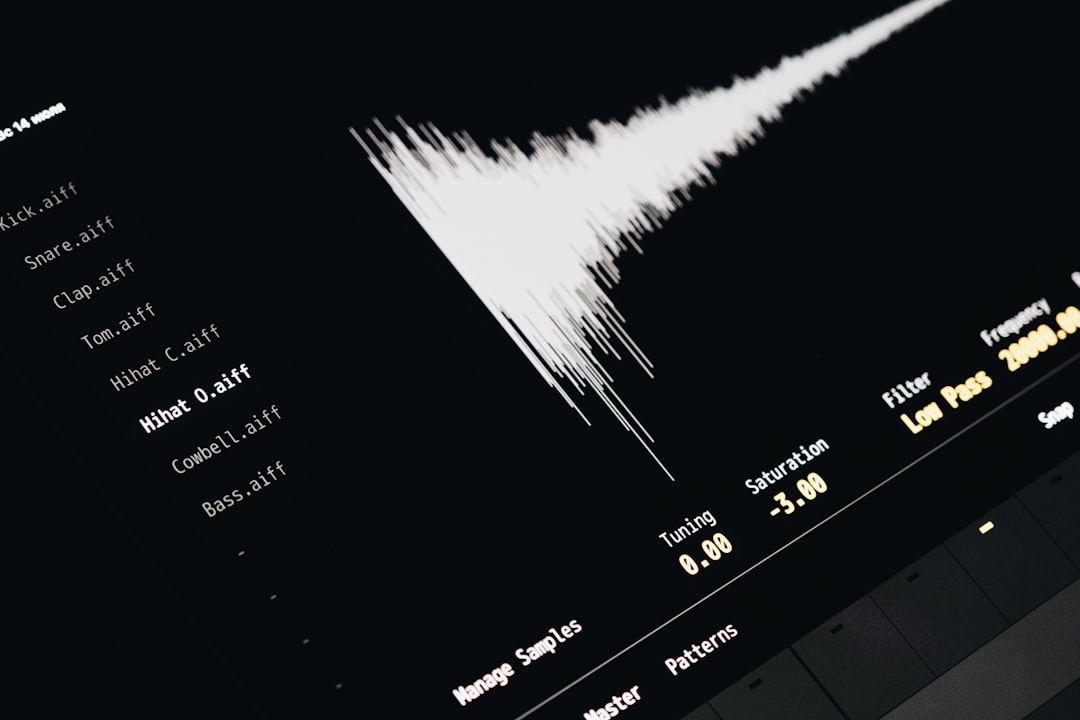
A North African zaghrouda labeled as Moroccan, featuring a celebratory trill used in wedding clips, family posts, and joyful reaction edits.
This clip captures a sustained zaghrouda, the piercing celebratory ululation commonly heard at weddings and other joyful gatherings across North Africa. The voice rises into a rapid, wavering trill that immediately creates a festive, communal mood. At just over eight seconds, it is long enough to accompany a reveal, entrance, dance, or family celebration without requiring a loop. Its energetic vocal texture can make an ordinary moment feel ceremonial, while humorous edits often use the same intensity to exaggerate a small success or unexpected piece of good news.
The Arabic title identifies the clip as a Moroccan ululation, while its embedded metadata describes it as Algerian, so its precise national source is uncertain. This vocal style is broadly associated with celebrations across North Africa and other parts of the Arab world. Known as a zaghrouda in the singular and zaghareet in the plural, it is especially recognizable at weddings and family occasions. Short recordings like this spread through social posts and message sharing because they instantly communicate joy, pride, ceremony, or playful exaggeration.
사용을 위한 전문가 팁
Place the trill immediately after a wedding reveal, successful result, or proud family announcement. Pair it with quick cuts or dancing footage, and avoid layering dialogue beneath its loud, sustained vocal frequencies.
사용 사례
Celebrating a bride’s entrance in a wedding montage.
Reacting dramatically to a friend’s happy announcement.
Highlighting a successful result in a short video.
Adding festive energy to family celebration footage.
자주 묻는 질문
What is the Moroccan zaghrouda sound?
It is a sustained celebratory ululation made with a high-pitched, rapidly wavering voice. This type of vocal trill is commonly associated with weddings, family gatherings, and joyful occasions across North Africa and the wider Arab world.
Is this zaghrouda Moroccan or Algerian?
The uploaded Arabic title labels it Moroccan, but the embedded audio metadata calls it Algerian. Because zaghrouda traditions are found across North Africa, the recording’s exact national origin cannot be confirmed from the available information.
How is this ululation sound used in videos?
Creators place it over wedding entrances, happy announcements, dance clips, successful results, and proud family moments. It also works humorously when an ordinary achievement is edited to look like a major ceremonial celebration.

 당신의 사운드보드
 홈
홈 새로운
새로운 Topics
 인기
인기 가장 인기 있는
 애니메 & 만화
 게임
게임 밈
밈 영화
영화 음악
음악 정치
정치 장난
장난 반응
반응 사운드 효과
 스포츠
스포츠 텔레비전
텔레비전 틱톡 트렌드
 바이럴
바이럴 WhatsApp 오디오
 이용 약관
이용 약관 개인정보 보호정책
 DMCA 저작권 정책
 문의하기
문의하기 회사 소개
회사 소개