あなたのサウンドボード
 ホーム
ホーム 新着
新着 Topics
 トレンド
トレンド 最も人気
最も人気 アニメ・マンガ
 ゲーム
ゲーム ミーム
ミーム 映画
映画 音楽
音楽 政治
政治 いたずら
いたずら リアクション
 サウンドエフェクト
 スポーツ
スポーツ テレビ
テレビ TikTokトレンド
 バイラル
バイラル WhatsAppオーディオ
 利用規約
利用規約 プライバシーポリシー
 DMCA著作権ポリシー
 お問い合わせ
 私たちについて
The Sonic Shockwave: Harnessing Jumpscares and Unexpected Audio
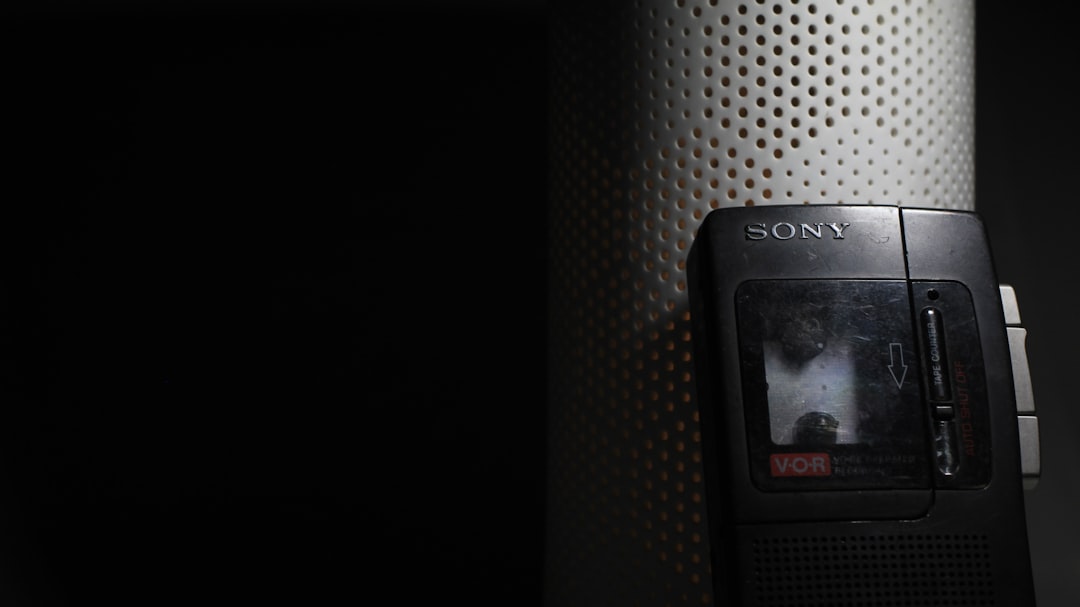
Unpack the psychology behind viral jumpscare and unexpected audio, revealing how creators use sonic shockwaves to maximize engagement and virality.
In the high-stakes arena of digital content, the element of surprise is a potent weapon. Jumpscares and unexpected audio cues are not merely cheap tricks; they are carefully engineered sonic shockwaves designed to disrupt scrolling, trigger primal reactions, and embed content deeply into a viewer's memory. By understanding the psychological underpinnings of these sounds, creators can strategically deploy them to amplify comedic timing, heighten suspense, and create unforgettable viral moments that resonate across diverse platforms and audiences.
About this sound
This sound combines the iconic, terrifying jumpscare from Five Nights at Freddy's 2 with an explosive effect, creating a double punch of auditory shock. It's a staple for horror-themed memes, sudden reveals, and any content aiming for maximum, instant fright or comedic chaos. Its intense impact is similar to the raw energy of FAHHHHH and the abruptness of Тцк.
The "FNAF 2 jumpscare + explotion" sound is a masterclass in sensory overload, designed to elicit an immediate and visceral reaction from the audience. Creators deploy this audio to punctuate jump-scares in gaming montages, to dramatically reveal an unexpected twist, or to inject a sudden burst of chaotic energy into a video. Its recognizable origin from a popular horror game ensures high engagement within gaming communities, while its sheer intensity makes it a universal tool for capturing attention and driving viral shares across all content types.
- Creating horror-themed meme content
- Punctuate sudden, dramatic reveals
- Injecting chaotic energy into videos
- Enhancing gaming jump-scares
A: Five Nights at Freddy's 2.
A: For horror memes, sudden reveals, and chaotic effects.
A: Yes, its intensity drives strong reactions and shares.
About this sound
"TIP41 mikirin kamu," an Indonesian phrase meaning "TIP41 thinking of you," is a sound that likely originates from a specific, perhaps niche, cultural context, possibly a song or a viral clip. It's used to express affection, longing, or a playful, slightly obsessive thought, often with a touch of ironic humor. Its unique cultural flavor makes it distinct, much like the specific humor of Gado Demais or the directness of TIP41 halah jem.
This sound offers a charmingly specific way to convey affection or a preoccupation with someone, often with an underlying layer of internet irony. Creators utilize "TIP41 mikirin kamu" to create relatable content about crushes, to add a whimsical touch to romantic memes, or to playfully tease friends. Its foreign language aspect adds an element of intrigue, making it appealing to a global audience curious about its meaning, while its emotional core ensures high shareability and engagement within communities that appreciate nuanced expressions of feeling.
- Expressing affection or longing
- Playful, slightly obsessive thoughts
- Relatable content about crushes
- Adding whimsical touch to romantic memes
A: "TIP41 thinking of you."
A: Likely a specific Indonesian viral clip or song.
A: To express affection, longing, or playful obsession.
3. Yogure
About this sound
The "Yogure" sound, often a short, quirky, and somewhat nonsensical vocalization, has gained traction in meme culture for its sheer absurdity and versatility. It's used to punctuate moments of confusion, unexpected revelations, or simply to add a touch of surreal humor to content. Its brevity and unique delivery make it a go-to for quick, impactful comedic beats, similar to the abruptness of loose or the playful chaos of Raah!!.
"Yogure" is a prime example of how abstract sounds can become viral sensations through their sheer comedic potential. Digital creators leverage this sound to inject an element of delightful randomness into their videos, often using it to highlight a character's bewilderment, to mark a sudden, inexplicable event, or to simply create a moment of pure "brainrot" humor. Its lack of a clear narrative meaning makes it highly adaptable, allowing it to fit into diverse content niches and resonate with audiences who appreciate unconventional and unexpected comedic timing.
- Punctuate moments of confusion
- Highlight unexpected revelations
- Adding surreal humor to content
- Marking sudden, inexplicable events
A: It's a nonsensical vocalization, often used for absurdity.
A: To punctuate confusion, unexpected revelations, or surreal humor.
A: Its origin is often obscure, contributing to its abstract appeal.
About this sound
The "normal Fortnite emote" sound is an ironic take on the ubiquitous dance and celebration sounds from the popular game Fortnite. It's used to subvert expectations, often by playing a generic or intentionally bland sound in place of an exciting emote, creating a comedic contrast. This sound thrives on meta-humor, similar to the self-aware irony of my name is anderdingus or the unexpectedness of loose.
This sound is a clever commentary on the repetitive and often over-the-top nature of gaming emotes, using irony to generate humor. Creators deploy "normal Fortnite emote" to highlight mundane achievements, to mock exaggerated celebrations, or to simply add a touch of understated, deadpan comedy to their gaming content. Its effectiveness lies in its ability to play on audience expectations, delivering an anti-climax that is surprisingly engaging and highly shareable, especially within the gaming community that understands the underlying joke.
- Subverting expectations in gaming content
- Mocking exaggerated in-game celebrations
- Highlighting mundane achievements
- Adding deadpan comedy to gaming videos
A: It's an ironic sound, often a generic or bland audio.
A: To subvert expectations and create meta-humor.
A: Ironic, deadpan, and anti-climactic comedy.
About this sound
"TIP41 halah jem," another Indonesian phrase, likely translates to something like "TIP41, oh come on!" or "TIP41, just stop!" It's a sound used to express exasperation, mild annoyance, or a playful dismissal, often in a lighthearted comedic context. Its cultural specificity and directness make it a unique reaction sound, similar to the dismissive tone of Домой уолтер or the subtle frustration of loose.
This sound provides a culturally specific, yet universally understood, expression of mild exasperation or playful dismissal. Creators utilize "TIP41 halah jem" to punctuate moments of minor inconvenience, to comically shut down a silly argument, or to add a touch of authentic, regional flavor to their reaction content. Its brevity and clear emotional tone make it highly effective for short-form videos, driving engagement by offering a relatable and often humorous response to everyday digital absurdities, fostering community interaction.
- Expressing mild exasperation
- Playful dismissal of silly arguments
- Adding regional flavor to reactions
- Punctuate moments of minor inconvenience
A: "TIP41, oh come on!" or "TIP41, just stop!".
A: Likely a specific Indonesian viral clip or phrase.
A: To express exasperation, annoyance, or playful dismissal.