 あなたのサウンドボード
 ホーム
ホーム 新着
新着 Topics
 トレンド
トレンド 最も人気
最も人気 アニメ・マンガ
 ゲーム
ゲーム ミーム
ミーム 映画
映画 音楽
音楽 政治
政治 いたずら
いたずら リアクション
 サウンドエフェクト
 スポーツ
スポーツ テレビ
テレビ TikTokトレンド
 バイラル
バイラル WhatsAppオーディオ
 利用規約
利用規約 プライバシーポリシー
 DMCA著作権ポリシー
 お問い合わせ
 私たちについて
The Quirky Charm of 'Flea Awoo': Viral Sounds and Their Algorithmic Impact
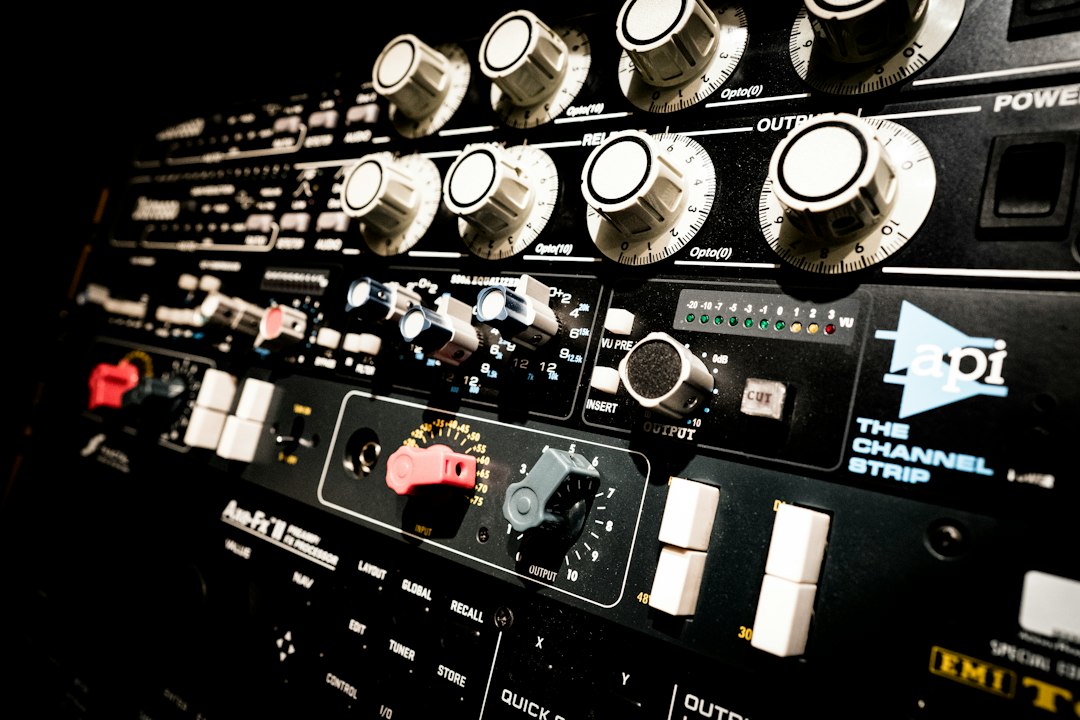
Discover the unique appeal of the 'Flea Awoo' sound from Hollow Knight: Silksong and other viral audio snippets, exploring their cultural footprint and how creators use them to captivate digital audiences.
In the expansive universe of digital content, certain sounds possess an undeniable magnetism, drawing in viewers with their unique charm and instant recognizability. The "Flea Awoo" sound, a brief yet endearing vocalization from Hollow Knight: Silksong, perfectly embodies this phenomenon, adding a touch of quirky personality to any video. This article explores five such sounds, dissecting their journey from niche origins to widespread internet fame, and providing actionable strategies for content creators aiming to leverage their unique power. From the charmingly peculiar Flea Awoo to the dramatic announcement of It's TV Time, these audios are more than just effects; they are psychological triggers that resonate deeply with digital audiences. We'll also delve into the nostalgic tension of the Kahoot Song, the impactful Foot Dive, and the universally understood Roblox Laugh, illustrating how each can be meticulously woven into your content strategy for optimal algorithmic performance and audience retention.
1. flea awoo
About this sound
This sound is associated with Flea from Hollow Knight: Silksong, where the character’s brief vocal delivery stood out to fans. Even though the clip is only about a second long, it spread through fandom spaces because it is distinctive, easy to quote, and simple to drop into fast edits. Short game voice snippets like this stay popular because they work as instant recognition for players while also sounding funny to people who only know them as a reaction sound. Its quirky nature makes it a unique counterpoint to more dramatic sounds like It's TV Time or the competitive energy of the Kahoot Song.
The "Flea Awoo" sound is a short, high-pitched, and endearingly quirky vocalization that adds an instant touch of cuteness or mild absurdity to any digital content. Originating from Hollow Knight: Silksong, its distinctive "awoo" is perfect for punctuating moments of surprise, introducing small or cute characters, or adding a whimsical reaction to unexpected events. Creators leverage this sound to inject personality into their edits, often using it in reaction videos, character introductions, or lighthearted meme compilations. Its brevity ensures it can be dropped into fast-paced content without disrupting flow, making it a versatile choice for adding a unique auditory signature, much like the sharp impact of Foot Dive or the playful taunt of the Roblox Laugh.
- Reacting to a tiny character appearing on screen.
- Punctuating a weirdly cute reveal in a game edit.
- Adding a Silksong in-joke to fan compilations.
- Highlighting an awkward pause with a playful vocal cue.
A: It is a very short vocal clip associated with Flea from Hollow Knight: Silksong. People use it as a reaction sound because it is quick, cute, and a little strange in a memorable way.
A: The clip is from Hollow Knight: Silksong and is linked to the character Flea. Fans recognized the sound from Silksong material and began reusing it in edits, memes, and game-related posts.
A: Most creators place it on a sudden visual beat, such as a zoom, character entrance, or awkward pause. Its very short length makes it useful as a punchline accent instead of a long featured audio moment.
About this sound
This clip is associated with Deltarune Chapter 3 and is recognized by fans as a short, theatrical cue built around the phrase "It's TV Time." It spread mainly through fan edits, gameplay memes, and soundtrack discussions, where creators use it to frame scenes like a sudden broadcast or stage entrance. Its staying power comes from how quickly it communicates tone: part game reference, part announcement sting, and part punchline. That makes it useful well beyond Deltarune-specific posts, especially in exaggerated reveal edits. Its dramatic flair is a stark contrast to the whimsical Flea Awoo, yet both excel at capturing attention, similar to the suspense of the Kahoot Song or the impact of a Foot Dive.
The "It's TV Time" sound effect delivers a dramatic, show-stopping announcement that instantly transforms any video segment into a mock television broadcast or a grand reveal. Its sharp, attention-grabbing delivery is perfect for punctuating sudden character entrances, unexpected plot twists, or even mundane situations given an ironic, over-the-top flair. Creators frequently pair it with visual cues like screen static, quick zooms, or title cards to enhance the effect, making it a versatile tool for comedic and suspenseful content. This sound thrives on platforms like TikTok and Reels, where short, impactful audio drives engagement, much like the viral Roblox Laugh or the distinct Flea Awoo sound.
- Introducing a chaotic character in a Deltarune meme edit.
- Turning a normal gameplay clip into a fake TV segment.
- Punctuating a dramatic reveal with comic showtime energy.
- Adding flair to glitchy transitions or boss-style intros.
A: It is a short Deltarune-related audio clip centered on the phrase "It's TV Time." People use it in memes, gameplay edits, and reveal posts to make a moment feel like a dramatic broadcast or show opening.
A: Based on the provided source information, this sound comes from Deltarune Chapter 3. It is commonly identified by fans as a recognizable line or cue used in Deltarune meme edits and fan content.
A: Creators use it because it instantly adds a staged, attention-grabbing feel to a clip. It works especially well before reveals, punchlines, or sudden transitions where you want the moment to feel like it is being introduced on television.
3. Kahoot Song
About this sound
This music is widely recognized as the lobby theme from Kahoot, the game-based learning quiz platform used in classrooms and group trivia sessions. As Kahoot became common in schools during the 2010s, the waiting-room track spread online through memes, short videos and nostalgic classroom posts. People keep using it because the tune is immediately identifiable and quickly communicates quiz pressure, timed answers and the chaos of competitive school games. Its association with countdowns makes it useful far beyond actual Kahoot gameplay, much like how It's TV Time signals a dramatic reveal or the Foot Dive sound marks a sudden impact.
The classic Kahoot lobby music is an auditory shortcut to instant tension and playful competition. Its upbeat yet slightly urgent melody evokes the feeling of a ticking clock, making it ideal for countdowns, quiz segments, or any scenario where a sense of timed pressure is desired. Digital creators utilize this sound to inject humor into mundane tasks, highlight moments of decision-making, or build anticipation before a reveal. The familiarity of the Kahoot Song ensures immediate audience recognition, fostering a shared experience that boosts engagement. It’s a versatile sound, often paired with on-screen timers or quick cuts, similar to how the Roblox Laugh punctuates a fail or Flea Awoo adds quirky charm.
- Adding suspense to quiz or trivia countdown edits.
- Turning classroom jokes into instant Kahoot meme clips.
- Underscoring timed challenges with a playful competitive vibe.
- Pairing with answer reveals and nervous reaction shots.
A: It is the well-known lobby or waiting-room music from Kahoot, the quiz platform used for classroom games, team trivia, and live multiple-choice competitions before a round begins.
A: People recognize it instantly from school and group quiz sessions, so it quickly creates suspense, countdown pressure, and a funny competitive mood. That shared familiarity makes it a strong meme audio for reaction and challenge edits.
A: Most creators place it under quiz scenes, timed choices, awkward waiting moments, or reveal edits. It works especially well with scoreboards, countdown timers, multiple-choice graphics, and reaction shots that build tension.
4. Foot Dive
About this sound
Foot Dive comes from Doctor Doom's attack voice line in Marvel vs. Capcom 3, released by Capcom in 2011. The move became a long-running fighting game meme because players heard it constantly during matches, especially in Ultimate Marvel vs. Capcom 3. Clips of Doom looping the attack helped spread the sound beyond the competitive scene, and it remains popular in combo videos, parody edits and any joke built around a sudden downward hit. Its staying power comes from how short, clear and instantly recognizable the line is, much like the immediate impact of It's TV Time or the distinctive melody of the Kahoot Song.
The "Foot Dive" sound effect is a sharp, impactful vocal cue that instantly signals a sudden, forceful downward motion or a decisive strike. Originating from fighting games, its aggressive and direct nature makes it perfect for punctuating unexpected drops, powerful slams, or even ironic failures where something dramatically falls. Creators use this sound to add a layer of intense, almost comical, emphasis to their visual content, often in gaming montages, sports highlights, or slapstick comedy skits. Its brevity and clarity ensure it cuts through other audio, making a strong statement without overstaying its welcome, much like the quick punch of a Roblox Laugh or the unique call of Flea Awoo.
- Highlighting a sudden downward attack in a game clip.
- Mocking a repetitive spam move in fighting matches.
- Punching up a fall, stomp, or crash edit.
- Adding fighting game nostalgia to meme compilations.
A: It is the attack voice line for Doctor Doom in Marvel vs. Capcom 3. Players know it from the move where he dives downward while shouting the name, which made the clip memorable in matches and memes.
A: The line is said by Doctor Doom in Marvel vs. Capcom 3 and Ultimate Marvel vs. Capcom 3. In the fighting game community, the phrase is strongly associated with his descending attack and repeated pressure sequences.
A: It is short, dramatic, and easy to recognize, even out of context. The sound became famous through fighting game clips where Doctor Doom used the move repeatedly, so creators now use it for stomps, falls, slam edits, and cheap-hit jokes.
About this sound
This short laugh is circulated online as a Roblox-related reaction sound, although the available information does not establish a specific game, character, creator, or release year. It spread through gameplay edits, meme videos, and soundboards because its brief duration fits neatly after mistakes and surprise outcomes. The clip remains useful in gaming content because viewers can understand its teasing intent immediately, even without dialogue. Its association with Roblox also makes it especially familiar in obstacle-course fails, trolling clips, and multiplayer highlights, much like the dramatic flair of It's TV Time or the suspense of the Kahoot Song.
The iconic Roblox laugh sound effect is a quick, exaggerated chuckle that adds a layer of playful mockery or lighthearted schadenfreude to any digital content. Its brief, punchy delivery makes it ideal for punctuating moments of comedic failure, unexpected glitches, or when a character (or player) experiences a minor setback. Creators frequently deploy this sound in gaming montages, reaction videos, and short-form skits to amplify the humor of a situation without needing extensive dialogue. The universal recognition of the Roblox Laugh ensures that its teasing intent is immediately understood by a wide audience, making it a powerful tool for engagement, similar to how Foot Dive marks a decisive action or Flea Awoo adds a unique vocal touch.
- Highlighting a failed obstacle jump in Roblox gameplay.
- Reacting to a player falling for an obvious trick.
- Ending a gaming fail compilation with a teasing chuckle.
- Adding comic timing after an unexpected character elimination.
A: It is a brief, exaggerated chuckle commonly associated with Roblox gaming clips and memes. Editors use it as a playful or taunting reaction after a mistake, failed challenge, unexpected fall, or embarrassing multiplayer moment.
A: The clip circulates as a Roblox-related sound, but its exact game, character, creator, and original release are not confirmed by the available information. It is best known through gameplay edits, meme videos, and online soundboards.
A: Creators usually place the laugh directly after a failed jump, elimination, prank, or obvious mistake. It works particularly well with a freeze-frame, sudden zoom, replay, or cut to another player's reaction.
The strategic integration of viral sounds like the Flea Awoo, It's TV Time, and the Kahoot Song into digital content is a powerful technique for creators seeking to maximize engagement and algorithmic reach. These audio snippets, deeply embedded in internet culture, offer a shorthand for humor, tension, and shared experience. By understanding their nuanced applications and combining them with compelling visuals, creators can craft highly retentive and shareable content that captivates audiences and stands out in a crowded digital landscape. The art of soundboard culture lies in recognizing these auditory gems and deploying them with precision.