あなたのサウンドボード
 ホーム
ホーム 新着
新着 Topics
 トレンド
トレンド 最も人気
最も人気 アニメ・マンガ
 ゲーム
ゲーム ミーム
ミーム 映画
映画 音楽
音楽 政治
政治 いたずら
いたずら リアクション
 サウンドエフェクト
 スポーツ
スポーツ テレビ
テレビ TikTokトレンド
 バイラル
バイラル WhatsAppオーディオ
 利用規約
利用規約 プライバシーポリシー
 DMCA著作権ポリシー
 お問い合わせ
 私たちについて
The Global Echo: How International Sounds Dominate Meme Culture
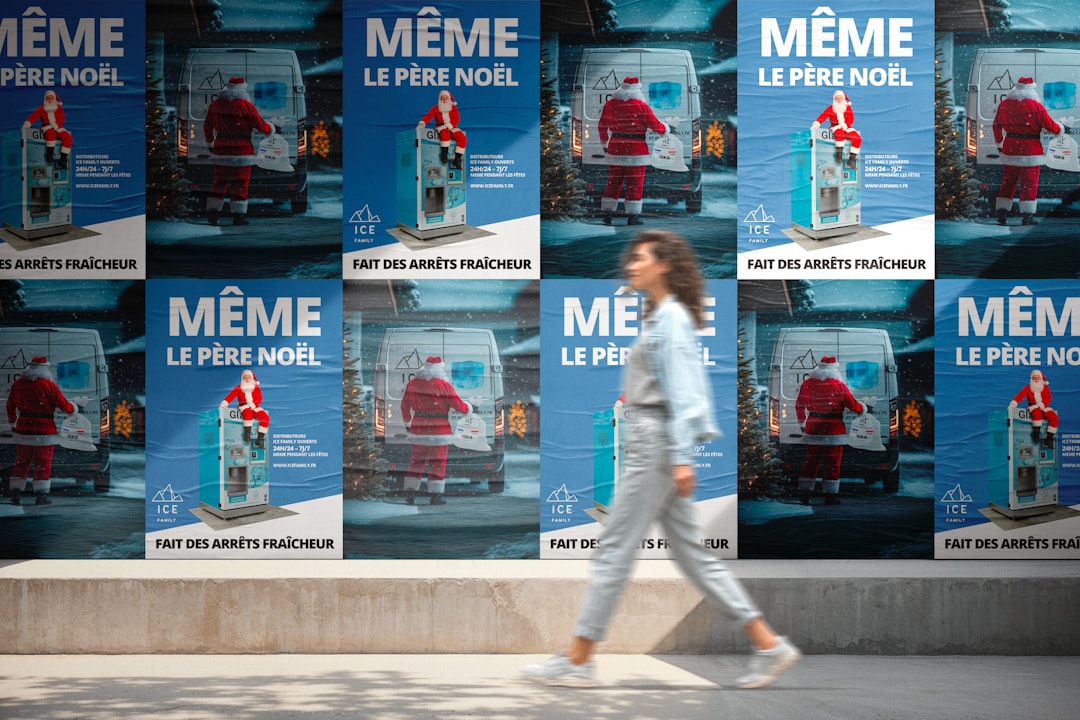
Explore the fascinating phenomenon of how sounds from diverse global origins transcend linguistic barriers to become universal meme goldmines.
In the ever-evolving landscape of digital media, certain sounds possess an uncanny ability to transcend geographical and linguistic boundaries, becoming viral sensations that resonate with audiences worldwide. These auditory snippets, often plucked from obscure corners of the internet or specific cultural contexts, transform into universal shorthand for humor, reaction, and shared experience. Understanding the mechanics behind their global appeal is crucial for any digital strategist aiming to tap into the collective consciousness of online communities. This article delves into five such international sound phenomena, dissecting their origins, cultural impact, and strategic utility for content creators.
1. Brazino
About this sound
The "Brazino" sound, often associated with the phrase "Brazino 777," originates from a popular Brazilian online casino advertisement. Its catchy jingle and repetitive nature made it ripe for parody and ironic usage across various platforms. It quickly became a staple in edits where something unexpectedly appears or a situation takes a sudden, often humorous, turn, much like the unexpected appearance of an ad. Its virality is a testament to how advertising jingles can be recontextualized into meme gold, similar to the pervasive nature of the Indian Song meme, which also found global appeal through its distinct musicality. The sound's ubiquity in Brazilian internet culture eventually spilled over, finding new life in international meme compilations and reaction videos, often paired with absurd or exaggerated scenarios.
This sound is a short, upbeat, and highly recognizable jingle that instantly signals a playful or ironic interruption. Creators leverage its inherent catchiness to punctuate unexpected reveals, comedic transitions, or to add a layer of self-aware internet humor to their content. Its rapid-fire delivery and distinct melody make it an excellent tool for quick, impactful comedic timing, often used to highlight a sudden shift in focus or a surprising element within a video, driving immediate engagement.
- Overlay on a video revealing an unexpected item or character.
- Use as a transition sound between unrelated clips for comedic effect.
- Incorporate into a "before and after" style meme to highlight a change.
- Add to highlight a moment of ironic self-promotion or a sponsored segment.
A: It comes from a popular Brazilian online casino advertisement.
A: Its catchy jingle and repetitive nature make it ideal for ironic and parody content, easily recontextualized.
A: It's primarily used for comedic or ironic purposes; serious use might be misunderstood or detract from the message.
2. Indian Song
About this sound
The "Indian Song" meme refers to a variety of catchy, often Bollywood-esque musical snippets that have been widely adopted in global meme culture. These sounds are typically characterized by their distinctive rhythmic patterns, melodic hooks, and sometimes dramatic vocalizations. They are frequently used to add an exotic, humorous, or over-the-top flair to videos, often accompanying dance sequences, ironic reveals, or situations involving cultural misunderstandings. Its widespread use highlights the internet's ability to extract and recontextualize cultural artifacts, much like how the Abdi Ich sound found its niche in reaction content. The appeal lies in its immediate recognition and the vibrant energy it brings to any edit, making it a go-to for creators seeking to inject a dose of playful, international flavor.
This sound is a vibrant, often high-energy musical snippet that instantly evokes a sense of drama, celebration, or exotic flair. Digital creators deploy it to enhance comedic dance routines, create ironic contrasts in mundane situations, or to add a touch of unexpected grandeur. Its distinct instrumentation and vocal style make it immediately recognizable, allowing for quick comedic setups and payoffs, particularly in short-form video formats where rapid engagement is key for algorithm success and audience retention.
- Background music for a comedic dance challenge or choreographed routine.
- Soundtrack for an ironic "glow-up" transformation or unexpected reveal.
- Used to emphasize a dramatic reveal or entrance in a humorous context.
- Add to a video showcasing vibrant cultural elements or travel experiences.
A: Often catchy, Bollywood-style musical snippets with distinct rhythms and melodies.
A: To add exotic, humorous, or over-the-top flair, often with dance, ironic reveals, or cultural humor.
A: Usage should be mindful and avoid perpetuating stereotypes; focus on humor in context and respect cultural origins.
About this sound
The "Myinstant Sounds" sound is a meta-meme, often featuring a voice exclaiming "Hello motherfrucker!" or similar phrases, directly referencing the popular soundboard website Myinstants.com. This sound is a nod to the early days of internet soundboards and the chaotic, often irreverent humor that emerged from them. Its virality stems from its self-referential nature, appealing to those familiar with the platform and the broader culture of instant sound effects. It's a sound that signals an intentional, often disruptive, use of a soundboard, much like the sudden impact of the Soundpad meme. It's a staple for creators who want to break the fourth wall or inject a raw, unpolished internet aesthetic into their content.
This sound is typically a short, often expletive-laden, vocal clip that directly references soundboard culture. Creators use it to signal an intentional, often disruptive, comedic interjection, breaking the flow of content with a self-aware nod to internet humor. Its raw, unpolished quality makes it perfect for moments of unexpected chaos, quick reaction shots, or to add a layer of meta-commentary on the act of content creation itself, particularly on platforms like TikTok and Reels where authenticity is valued.
- As a sudden, unexpected interjection in a video to surprise viewers.
- To parody the overuse of sound effects in other creators' content.
- When a character in a skit or animation "activates" a soundboard.
- To mark a moment of chaotic or unhinged humor, embracing internet absurdity.
A: It's a meta-meme referencing the popular soundboard website Myinstants.com.
A: For self-referential humor, disruptive interjections, and to signal soundboard use within content.
A: Due to potential expletives and niche humor, it's best for mature or internet-savvy audiences.
About this sound
The "Arnold Nobody" sound features a distinct voice, often attributed to Arnold Schwarzenegger, delivering the line "Nobody." This sound bite gained traction due to its versatility in meme formats, particularly those involving questions or statements followed by an ironic or self-deprecating "nobody." It's a classic example of how a simple, isolated word from a recognizable figure can become a powerful tool for comedic timing and narrative setup. Its appeal lies in its ability to deliver a punchline with a familiar, authoritative, yet often absurd, tone, much like the definitive pronouncements found in the El Monte Everest no tiene nada en contra de mi sound. This sound is perfect for creators looking to add a touch of classic internet humor with a recognizable vocal signature.
This sound is a short, impactful vocal snippet, often delivered with a recognizable, authoritative tone, stating the word "Nobody." Creators utilize it to provide a punchline to a setup, typically a question or a scenario where the answer is ironically "nobody." Its effectiveness lies in its ability to create a sudden, often self-deprecating, comedic reveal, playing on audience expectations. It's a versatile tool for quick-witted humor, perfect for short-form content where brevity and immediate understanding are paramount for viral spread.
- As a comedic answer to a question posed in text or voiceover.
- To highlight a moment of ironic solitude or lack of participation.
- In a skit where a character is ignored or overlooked.
- To punctuate a relatable "who asked?" type of meme.
A: It is widely attributed to actor Arnold Schwarzenegger.
A: As an ironic punchline to questions or statements, implying a lack of interest or presence.
A: Short, witty, and self-deprecating humor, often in reaction videos or skits.
About this sound
The sound "El Monte Everest no tiene nada en contra de mi" (Mount Everest has nothing against me) is a Spanish-language meme that conveys a sense of exaggerated confidence, determination, or even delusion in the face of a challenge. Its virality stems from the dramatic delivery and the inherent humor in comparing a personal struggle to the monumental task of Mount Everest. This sound is often used to preface an ambitious, difficult, or comically ill-advised endeavor, setting a tone of over-the-top bravado. It's a powerful tool for creators looking to inject a dose of dramatic irony or aspirational humor into their content, much like the defiant spirit captured in the He Only Trolling sound. Its international appeal lies in the universal relatability of facing challenges with a mix of courage and comedic self-awareness.
This sound is a dramatic, Spanish-language declaration of unwavering confidence, often used ironically. Creators deploy it to introduce a challenging task, a bold statement, or a comically overambitious project, setting a tone of exaggerated bravado. Its theatrical delivery and the grand scale of the comparison (Mount Everest) make it perfect for building anticipation and delivering a humorous punchline. It resonates particularly well in content where creators are showcasing personal struggles, ambitious goals, or simply engaging in playful self-aggrandizement for entertainment.
- As an intro to a video attempting a difficult challenge or DIY project.
- To express exaggerated confidence before a competitive gaming moment.
- In a skit where a character makes an overly ambitious declaration.
- To add dramatic irony to a mundane task presented as a huge obstacle.
A: It translates to "Mount Everest has nothing against me," implying great confidence.
A: To express exaggerated confidence or determination, often ironically, before a challenge.
A: While originating there, its dramatic nature has given it broader international appeal.