A short bone cracking sound effect with a sharp, crunchy snap. People use it in memes, fails, horror edits and exaggerated injury jokes.
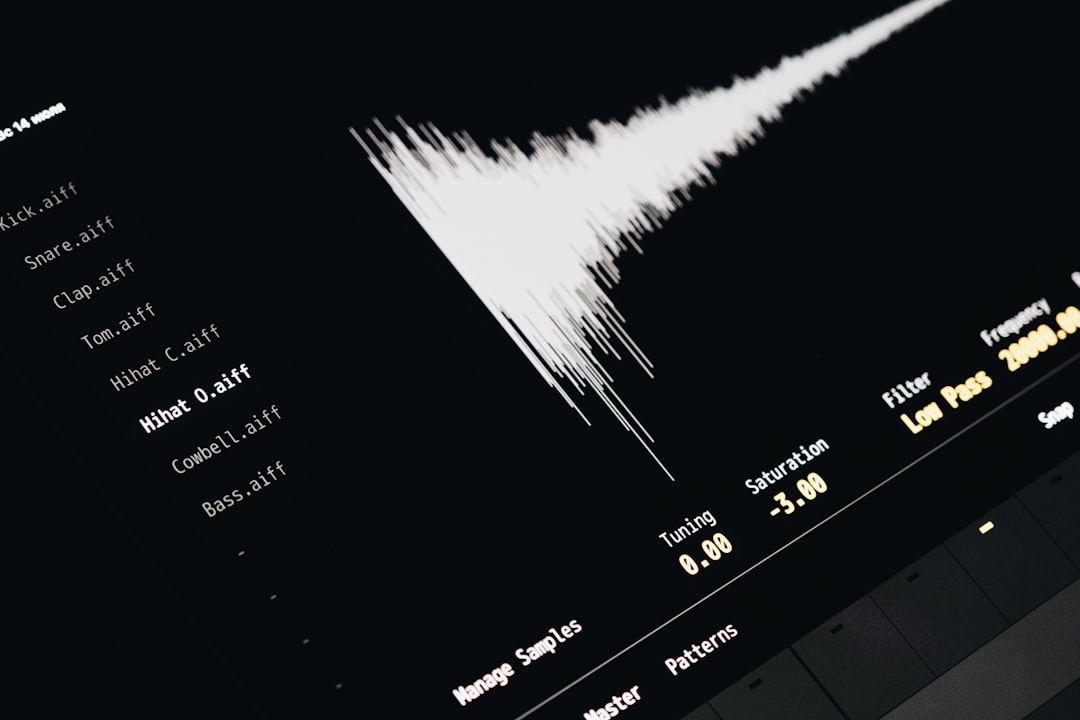
This clip is a brief bone cracking effect that sounds dry, sharp and unsettling, like a sudden joint snap or fracture in a cartoonishly amplified way. Even though it lasts under two seconds, it lands hard because the crack is immediate and visceral. Creators use it to sell painful impacts, awkward body movements, fake injury gags and creepy transformation moments. The sound works because viewers instantly understand the joke or the shock, whether the edit is played for horror, dark comedy or pure exaggeration.
This sound is best understood as a generic bone cracking effect rather than a quote tied to one famous source. Short cracking and snapping audio like this has circulated for years in meme edits, gaming clips, horror posts and reaction videos because it instantly suggests pain, stiffness or a grotesque injury. Its lasting appeal comes from how quickly it communicates the moment. Editors often pair it with a rimshot like tum dum tss for dark comedy, or with a dramatic sting to heighten the discomfort.
使用のためのプロのヒント
Place the crack exactly on the frame of impact, twist or bad landing, then cut to a reaction shot half a beat later. It works best with slowed footage or a zoom-in, but can feel too gross if layered repeatedly.
使用例
Highlighting a fail clip with an exaggerated painful snap.
Adding shock to horror or body transformation edits.
Punching up awkward sports wipeouts and bad landings.
Cutting to a reaction meme after a twisted movement.
よくある質問
What is the bone cracking sound used for?
It is usually used as a comedic or shocking sound effect for falls, awkward twists, fake injuries, body horror edits or any moment where an exaggerated snap makes the visual hit harder.
Is this a real bone breaking recording?
In most meme and editing contexts, clips like this are treated as sound effects rather than verified real recordings. The appeal comes from the dramatic cracking texture, not from proving a real injury happened.
How do creators make this sound funnier instead of disturbing?
They often use it on clearly exaggerated footage, cartoonish fails or over-the-top reaction edits. A quick zoom, freeze frame or immediate cut to someone staring in disbelief helps push it toward comedy rather than horror.

 あなたのサウンドボード
 ホーム
ホーム 新着
新着 Topics
 トレンド
トレンド 最も人気
最も人気 アニメ・マンガ
 ゲーム
ゲーム ミーム
ミーム 映画
映画 音楽
音楽 政治
政治 いたずら
いたずら リアクション
 サウンドエフェクト
 スポーツ
スポーツ テレビ
テレビ TikTokトレンド
 バイラル
バイラル WhatsAppオーディオ
 利用規約
利用規約 プライバシーポリシー
 DMCA著作権ポリシー
 お問い合わせ
 私たちについて