La tua Soundboard
 Home
Home Nuovi
Nuovi Topics
 Di tendenza
 Più popolare
 Anime e Manga
 Giochi
 Meme
Meme Film
Film Musica
 Politica
 Scherzi
 Reazioni
 Effetti sonori
 Sport
Sport Televisione
 Tendenze TikTok
 Virale
 Audio di WhatsApp
 Termini di utilizzo
 Informativa sulla privacy
 Politica sul copyright DMCA
 Contattaci
 Chi siamo
Political Satire in Sound: Memes That Speak Volumes in the Digital Age
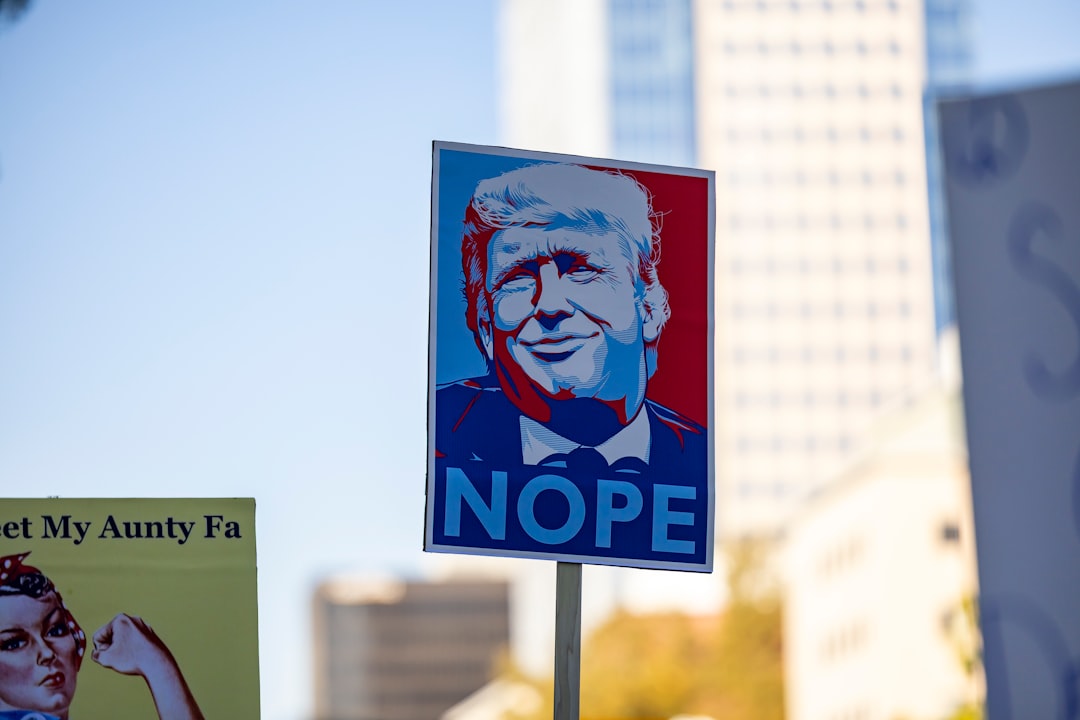
Analyze five politically charged meme sounds, exploring their origins, satirical power, and strategic use in shaping online discourse and viral commentary.
In an era where political discourse often unfolds at the speed of a scroll, meme sounds have emerged as potent instruments of satire, commentary, and even protest. These audio snippets, ranging from direct quotes to abstract sound effects, possess an unparalleled ability to distill complex political narratives into instantly digestible and highly shareable content. For digital media strategists and viral content creators, understanding the nuanced power of politically charged meme sounds is crucial for engaging audiences and influencing online conversations. This article delves into five such sounds, examining their origins, cultural impact, and the strategic ways creators deploy them to craft algorithm-optimized editorial content that resonates with a politically aware digital audience.
About this sound
The 'Silence Liberal' soundbite is a direct and often confrontational meme, typically used to shut down or dismiss opposing viewpoints in online political debates. Its origin is rooted in various viral clips or political commentary where the phrase is uttered with a tone of exasperation or definitive dismissal. The sound's virality stems from its bluntness and its utility as a quick, impactful retort in the highly polarized landscape of internet discourse. It's a sound that embodies a specific rhetorical strategy, often appearing alongside other assertive or dismissive audio cues, such as the Ok Boomer sound or the Mic Drop sound effect, in short-form videos and political commentary.
Creators utilize 'Silence Liberal' to punctuate moments of political disagreement, often in a satirical or provocative manner. It's particularly effective in reaction videos, debate compilations, or short skits that parody online political arguments. The sound's aggressive undertone makes it a powerful tool for signaling a definitive end to a discussion or a dismissive stance, instantly communicating a strong political position. On platforms like Twitter and YouTube, this soundbite helps to create highly engaging and often controversial content, driving shares and comments. It's a versatile sound that can be used both earnestly by those who agree with its sentiment and ironically by those who wish to critique such dismissive rhetoric, much like the Triggered meme sound for exaggerated reactions or the Clown Music meme for satirical mockery.
- Punctuation for a satirical political argument.
- Ending a segment of a debate compilation.
- Adding a provocative element to political commentary.
- Used ironically to critique dismissive rhetoric.
A: It's a phrase from viral political commentary, used to dismiss opposing viewpoints.
A: It's used to punctuate disagreements, often satirically, or to signal a definitive end to a political argument.
A: While primarily political, its dismissive tone can be adapted for humorous, non-political contexts where a strong, definitive 'shut down' is needed, similar to the No Cap meme.
About this sound
The 'THE LIBERAL GOVERNMENT' soundbite is a politically charged audio clip that often carries a tone of exasperation, critique, or even alarm, depending on its context. While its specific origin might vary across different political landscapes, it generally stems from public commentary, news reports, or political speeches where the phrase is used to highlight perceived shortcomings or controversial policies of a liberal administration. Its virality is driven by its directness and its ability to instantly evoke a specific political sentiment, making it a powerful tool for expressing dissent or agreement within online political discourse. It often appears alongside other sounds that convey frustration or critical commentary, such as the Facepalm Sound Effect or the Sad Trombone sound for political blunders.
Creators utilize 'THE LIBERAL GOVERNMENT' to frame discussions, introduce critical analyses, or punctuate satirical takes on political events. It's particularly effective in short-form videos that aim to quickly convey a political stance or to highlight a specific issue. The sound's declarative nature makes it an excellent opening for commentary videos or as a dramatic interjection in political skits. On platforms like YouTube and Twitter, this soundbite helps to create highly engaging content that resonates with audiences who share similar political views or who are interested in political satire. It's a versatile sound that can be used to rally support, express frustration, or simply to add a recognizable political marker to content, much like the Trump Speech meme for specific political figures or the Biden Boom sound for political commentary.
- Opening a political commentary video.
- Punctuation for a satirical take on government policies.
- Highlighting a specific political issue or event.
- Adding a recognizable political marker to content.
A: It often carries a tone of exasperation, critique, or alarm, depending on the context of its use.
A: Its directness and ability to evoke specific political sentiments help to rally support or express frustration, driving engagement.
A: While inherently political, it can be used in a more neutral, informative context to simply identify the subject of discussion, similar to a News Intro Sound.
About this sound
The 'dont be filmin me brotha' soundbite captures a moment of candid, often confrontational, interaction, typically stemming from real-world encounters where individuals express discomfort or anger at being filmed without consent. Its virality in meme culture is rooted in its raw authenticity and its relatable portrayal of privacy concerns in the age of ubiquitous smartphone cameras. This sound has become a staple for content that satirizes public filming, highlights awkward social situations, or comments on the invasiveness of digital documentation. It often appears alongside other sounds that convey annoyance or confrontation, such as the Angry Man Scream or the Get Out Of My House meme, in reaction videos and social commentary.
Creators utilize 'dont be filmin me brotha' to inject a dose of raw, unscripted reality or comedic awkwardness into their digital content. It's particularly effective in short-form videos that parody street interviews, public pranks, or any scenario where an individual's privacy is unexpectedly breached. The sound's confrontational tone makes it an excellent punchline for situations that escalate quickly or for highlighting the discomfort of being under public scrutiny. On platforms like TikTok and YouTube Shorts, this soundbite helps to create highly relatable and often humorous content that resonates with audiences familiar with the challenges of digital privacy. It's a versatile sound that can be used to critique, satirize, or simply to add a touch of authentic human reaction to content, much like the Awkward Cricket Sound for uncomfortable silences or the Cringe Sound Effect for embarrassing moments.
- Punctuation for a satirical take on public filming.
- Adding comedic awkwardness to a social skit.
- Highlighting privacy concerns in digital content.
- Reacting to an unexpected camera presence.
A: It stems from real-world encounters where individuals express anger at being filmed without consent.
A: It's used to satirize public filming, highlight awkward social situations, or comment on privacy concerns.
A: Yes, while often comedic, it can be used seriously to underscore genuine concerns about privacy and consent in public spaces, similar to the Privacy Violation sound.
About this sound
The 'are you filming us right now' soundbite, often sourced from the animated series 'Helluva Boss,' perfectly encapsulates the feeling of being caught off guard or realizing one is being recorded. Its virality stems from its relatable portrayal of a common modern dilemma: the omnipresence of cameras and the sudden awareness of being observed. This sound has become a staple for content that satirizes reality TV, comments on surveillance culture, or simply adds a layer of meta-humor to situations where characters (or real people) become aware of the 'fourth wall' of recording. It often appears alongside other sounds that convey surprise or self-awareness, such as the Record Scratch for sudden realization or the Awkward Silence sound for uncomfortable moments.
Creators utilize 'are you filming us right now' to inject a moment of self-awareness or comedic breaking of the fourth wall into their digital content. It's particularly effective in short-form videos that parody reality shows, mockumentaries, or any scenario where characters suddenly acknowledge the presence of a camera. The sound's questioning tone makes it an excellent setup for a humorous reveal or a meta-commentary on the nature of online content creation. On platforms like TikTok and YouTube Shorts, this soundbite helps to create highly engaging and often clever content that resonates with audiences familiar with both traditional media and internet culture. It's a versatile sound that can be used to critique, satirize, or simply to add a touch of authentic human reaction to content, much like the Inception Horn sound for dramatic revelations or the Mind Blown sound effect for shocking discoveries.
- Punctuation for a character breaking the fourth wall.
- Adding meta-humor to a skit or parody.
- Commenting on surveillance or reality TV culture.
- Reacting to an unexpected camera presence.
A: It's a soundbite often sourced from the animated series 'Helluva Boss,' expressing surprise at being recorded.
A: It's used to satirize reality TV, comment on surveillance, or add meta-humor to content where characters acknowledge the camera.
A: While often comedic, it can be used to highlight genuine concerns about privacy and consent in a more serious, thought-provoking manner, similar to the Creepy Sound Effect for unsettling realizations.
About this sound
The 'Mantra liberador' sound, translating to 'Liberating Mantra,' is an intriguing meme sound that often carries a spiritual, calming, or ironically profound tone. While its specific origin might be from a genuine spiritual recording or a satirical take on new-age practices, its virality in meme culture stems from its versatility in creating a sense of peace, enlightenment, or comedic detachment. This sound has become a staple for content that parodies self-help gurus, offers ironic wisdom, or simply provides a moment of serene (or comically serene) reflection amidst digital chaos. It often appears alongside other sounds that convey tranquility or ironic wisdom, such as the Zen Garden sound or the Deep Thoughts meme, in short-form videos and philosophical commentary.
Creators utilize 'Mantra liberador' to inject a moment of calm, ironic wisdom, or spiritual parody into their digital content. It's particularly effective in short-form videos that offer satirical life advice, create a sense of exaggerated peace, or punctuate moments of profound (or comically profound) realization. The sound's soothing yet distinct quality makes it an excellent background element for visual gags or as a contrast to chaotic visuals, enhancing the overall comedic effect. On platforms like TikTok and Instagram Reels, this soundbite helps to create highly engaging and often thought-provoking content, resonating with audiences who appreciate both genuine tranquility and satirical humor. It's a versatile sound that can be used to critique, satirize, or simply to add a touch of serene (or comically serene) reflection to content, much like the Meditation Music meme for relaxation or the Enlightenment sound for sudden understanding.
- Adding ironic wisdom to a satirical skit.
- Creating a moment of calm amidst chaotic visuals.
- Punctuation for a profound (or comically profound) realization.
- Background music for a self-help parody.
A: It translates to 'Liberating Mantra,' often used to convey spiritual, calming, or ironically profound tones.
A: It's used to parody self-help, offer ironic wisdom, or create moments of serene (or comically serene) reflection.
A: Yes, while popular in satire, its inherent calming quality makes it suitable for genuine content focused on relaxation or mindfulness, similar to the Peaceful Music sound.