La tua Soundboard
 Home
Home Nuovi
Nuovi Topics
 Di tendenza
 Più popolare
 Anime e Manga
 Giochi
 Meme
Meme Film
Film Musica
 Politica
 Scherzi
 Reazioni
 Effetti sonori
 Sport
Sport Televisione
 Tendenze TikTok
 Virale
 Audio di WhatsApp
 Termini di utilizzo
 Informativa sulla privacy
 Politica sul copyright DMCA
 Contattaci
 Chi siamo
Meme Alchemy: Transforming Niche Sounds into Universal Viral Hits
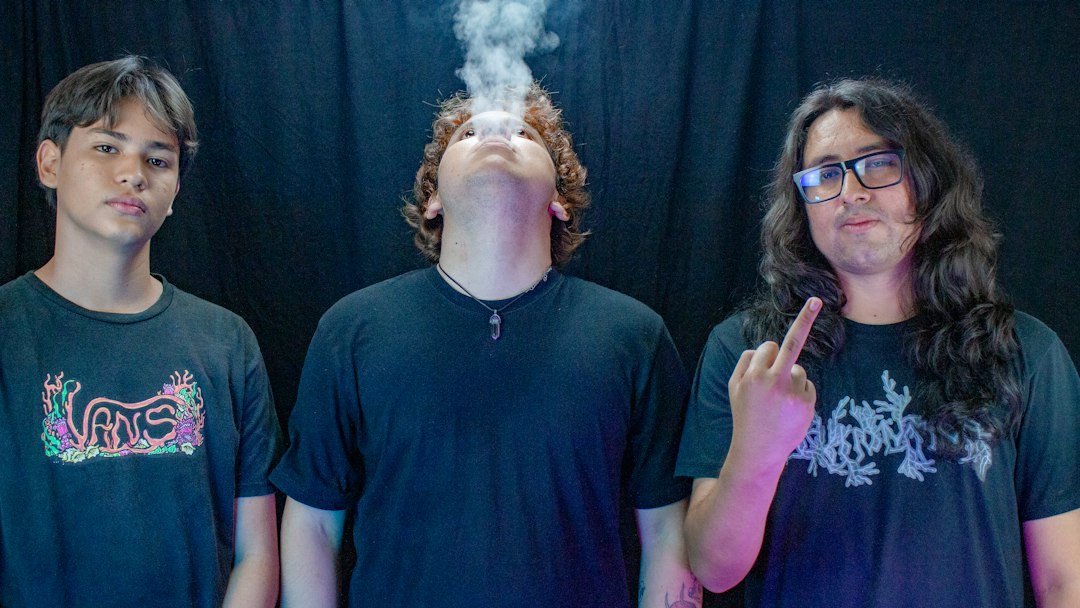
Uncover the magic behind niche sounds becoming global memes, from obscure gaming references to culturally specific exclamations that captivate diverse audiences.
The journey of a sound from niche origin to global viral hit is a fascinating study in digital alchemy. It's about how specific audio snippets, often born from obscure corners of the internet or culturally distinct contexts, transcend their initial boundaries to resonate with a massive, diverse audience. For digital media strategists, understanding this transformation is crucial for identifying and leveraging the next big trend. This article explores five such sounds, dissecting their unique appeal, cultural vectors, and the psychological hooks that make them irresistible. We'll dive into the whimsical charm of фиди миди, the playful absurdity of Hanki Panki, and the unexpected impact of Creep What The Hell. Each sound, including the commanding K Yo I'm Back and the dramatic Matikanefukukitaru Scream, offers a unique lesson in how sound design and cultural context converge to create viral phenomena, becoming invaluable assets for creators aiming for high-retention editorial content.
1. фиди миди
About this sound
The 'фиди миди' (fidi midi) sound is a quirky, often nonsensical vocalization that has gained traction within specific online communities, particularly those with a Russian-speaking presence, as indicated by its description "пост дис фиди миди евери вик" (post this fidi midi every week). Its virality stems from its inherent absurdity and catchy, almost hypnotic quality, making it perfect for surreal memes, ironic commentary, or simply adding a layer of playful weirdness to content. Creators leverage this sound to signal a moment of delightful oddity or to create a recurring inside joke within their community. It often appears in edits alongside other abstract or culturally specific sounds, such as the commanding вон из бульона or the more universally understood Dog Laughing Meme, to create a unique auditory experience.
This sound is a testament to the power of pure, unadulterated internet weirdness. Digital creators utilize 'фиди миди' to instantly inject a dose of surreal humor and niche cultural appeal into their content. Its lack of a clear, conventional meaning is precisely what makes it so versatile; it can be applied to almost any situation where a touch of the bizarre is desired. It's particularly effective in short-form videos that thrive on quick, unexpected comedic turns or in content designed to foster a sense of shared, exclusive humor among a dedicated audience. The sound's distinct vocal pattern ensures it stands out, making it a high-retention element in viral content, much like the playful nature of Hanki Panki.
- Adding a layer of surreal or abstract humor to content.
- Creating an inside joke or community-specific meme.
- Punctuation for unexpected or bizarre visual gags.
- Signaling a moment of playful oddity or weirdness.
A: It's a nonsensical vocalization, often used in Russian-speaking meme communities to add absurdity or an inside joke.
A: Creators use it for surreal humor, ironic commentary, or to signal delightful oddity, often with a recurring, community-specific context.
A: While rooted in Russian-speaking communities, its inherent absurdity can be appreciated by a broader audience, especially in surreal meme contexts.
2. hanki panki
About this sound
The 'hanki panki' sound is a lighthearted, often mischievous vocalization that has become a staple in meme culture for its playful and slightly cheeky tone. Its virality stems from its ability to inject a sense of innocent mischief or playful trickery into various digital narratives. Creators leverage this sound to punctuate moments of minor pranks, successful playful deceptions, or when a character is being subtly naughty without being overtly malicious. It often appears in short skits, reaction videos, or animated memes that require a quick, charmingly mischievous audio cue, much like the sly Sin Sonic Laugh or the more direct Twitch Sound 30, to create a dynamic and engaging soundscape.
This sound is a masterclass in conveying playful intent with a simple audio snippet. Digital creators utilize 'hanki panki' to instantly communicate a sense of lighthearted trickery or innocent mischief. It's particularly effective in short-form content where quick, charmingly devious reactions are key to engagement. Imagine a video where a pet gets away with a small, adorable transgression, and this sound immediately follows, perfectly capturing the shared sentiment of playful approval. Its unique vocal quality makes it instantly recognizable and memorable, ensuring that content utilizing it stands out in a crowded feed. This makes it a powerful tool for creators aiming for both broad appeal and niche cultural resonance, much like the distinct feel of Isaac Luigi.
- Punctuating moments of playful pranks or minor deceptions.
- Highlighting a character's innocent mischief or cheeky actions.
- Adding a lighthearted, charming tone to comedic content.
- Signaling a successful, albeit minor, act of trickery.
A: It conveys lightheartedness, innocent mischief, or playful trickery, often with a cheeky tone.
A: Creators use it to punctuate moments of minor pranks, successful playful deceptions, or when a character is being subtly naughty.
A: It's primarily suited for lighthearted, comedic content where a playful or mischievous tone is desired, as it can lighten serious moments.
About this sound
The 'creep what the hell' sound is a dramatic and often unsettling vocal exclamation that has found its niche in meme culture for its ability to convey genuine shock, confusion, or mild horror. Its virality stems from its raw, unfiltered reaction to something truly bizarre or unexpected, making it perfect for content that aims to surprise, disturb, or simply highlight moments of profound weirdness. Creators leverage this sound to punctuate jump scares, strange visual reveals, or when encountering something truly inexplicable in games or real-life situations. It often appears in compilations alongside other sounds that evoke surprise or disbelief, such as the classic Pacman Waeh Waeh or the more dramatic Matikanefukukitaru Scream, to build a suspenseful or comically unsettling atmosphere.
This sound is a powerful tool for creators looking to elicit a strong, visceral reaction from their audience. Digital strategists utilize 'creep what the hell' to instantly communicate a sense of genuine shock or bewildered confusion. It's particularly effective in short-form content where quick, impactful reactions are key to engagement. Imagine a video where an unexpected, unsettling image flashes on screen, and this sound immediately follows, perfectly capturing the audience's collective gasp. Its raw vocal quality makes it instantly recognizable and memorable, ensuring that content utilizing it stands out in a crowded feed. This makes it a powerful tool for creators aiming for both broad appeal and niche cultural resonance, much like the distinct feel of Esquadrao da Moda Odiei.
- Punctuating jump scares or unexpected visual reveals.
- Reacting to genuinely bizarre or inexplicable events.
- Adding a sense of shock or confusion to content.
- Highlighting moments of mild horror or unsettling discoveries.
A: It conveys genuine shock, confusion, or mild horror, often in response to something bizarre or unexpected.
A: Creators use it to punctuate jump scares, strange visual reveals, or encounters with inexplicable phenomena in games or real life.
A: Due to its unsettling nature, it's primarily suited for content that aims to surprise, disturb, or highlight moments of profound weirdness, not lighthearted humor.
About this sound
The 'K Yo I'm back' sound is a confident and often triumphant vocal declaration that has found its place in meme culture as a signal of return, resurgence, or a dramatic re-entrance. Its virality stems from its directness and assertive tone, making it perfect for content where a character or creator is making a comeback, overcoming a challenge, or simply re-engaging with an audience after an absence. Creators leverage this sound to punctuate moments of triumphant return, successful completion of a task, or a playful reassertion of presence. It often appears in montages alongside other sounds that convey victory or renewed energy, such as the energetic Bamooooooo or the emphatic Memesery (ITS SO PEAKKK), to amplify the sense of achievement.
This sound is a powerful tool for creators looking to mark a significant re-entry or a moment of triumphant return. Digital strategists utilize 'K Yo I'm back' to instantly communicate a sense of renewed energy, confidence, and readiness for action. It's particularly effective in short-form content where quick, impactful declarations are key to engagement. Imagine a video where a creator returns to their channel after a hiatus, and this sound immediately follows, perfectly capturing the excitement of their comeback. Its assertive vocal quality makes it instantly recognizable and memorable, ensuring that content utilizing it stands out in a crowded feed. This makes it a powerful tool for creators aiming for both broad appeal and niche cultural resonance, much like the distinct feel of Richarlyson na praia gritando AI.
- Signaling a triumphant return or re-engagement.
- Punctuation for successful completion of a challenging task.
- Highlighting a character's comeback or resurgence.
- Adding a confident, assertive tone to content.
A: It conveys confidence, triumph, and a dramatic re-entry or return after an absence or challenge.
A: Creators use it to punctuate moments of triumphant return, successful task completion, or playful reassertion of presence.
A: It's primarily suited for content where a sense of return, triumph, or renewed energy is desired, making it effective in various genres.
About this sound
The 'Matikanefukukitaru Scream' is a high-energy, distinctive vocalization originating from the popular anime and game franchise 'Uma Musume,' specifically from the character Matikanefukukitaru. Its virality stems from its intense emotional delivery, making it perfect for moments of exaggerated surprise, frustration, or a sudden burst of energy. Creators leverage this sound to amplify dramatic reactions, comedic overreactions, or to punctuate intense gameplay moments. It often appears in anime-related edits, gaming compilations, or any content that requires a sudden, impactful vocal cue, much like the dramatic Creep What The Hell or the more playful Rene Maaamaaaaaa, to create a dynamic and engaging auditory experience.
This sound is a powerful narrative tool for creators aiming to inject a burst of anime-style drama and emotional intensity into their digital content. The 'Matikanefukukitaru Scream' is perfect for moments where a character experiences a sudden shock, a hilarious meltdown, or an unexpected surge of power. Its unique character-driven quality makes it instantly recognizable to fans of 'Uma Musume' while still being broadly understood as an exclamation of intense emotion. It's highly effective in short skits, animated memes, or gaming content where a dramatic vocalization can serve as a punchline or a powerful interjection. The sound's distinct tone ensures it stands out, making it a high-retention element in viral content, much like the impactful Te adoro.
- Amplifying dramatic reactions or comedic overreactions.
- Punctuating intense gameplay moments or sudden surprises.
- Highlighting a character's frustration or emotional outburst.
- Adding an anime-style dramatic flair to content.
A: It originates from the 'Uma Musume' anime and game franchise, specifically from the character Matikanefukukitaru.
A: Creators use it to amplify dramatic reactions, comedic overreactions, or to punctuate intense gameplay moments, especially in anime-related edits.
A: While rooted in anime, its intense emotional delivery makes it broadly understandable and effective for any content needing a dramatic vocal cue.