La tua Soundboard
 Home
Home Nuovi
Nuovi Topics
 Di tendenza
 Più popolare
 Anime e Manga
 Giochi
 Meme
Meme Film
Film Musica
 Politica
 Scherzi
 Reazioni
 Effetti sonori
 Sport
Sport Televisione
 Tendenze TikTok
 Virale
 Audio di WhatsApp
 Termini di utilizzo
 Informativa sulla privacy
 Politica sul copyright DMCA
 Contattaci
 Chi siamo
Mastering Meme Narratives: Sounds That Tell a Story in Seconds
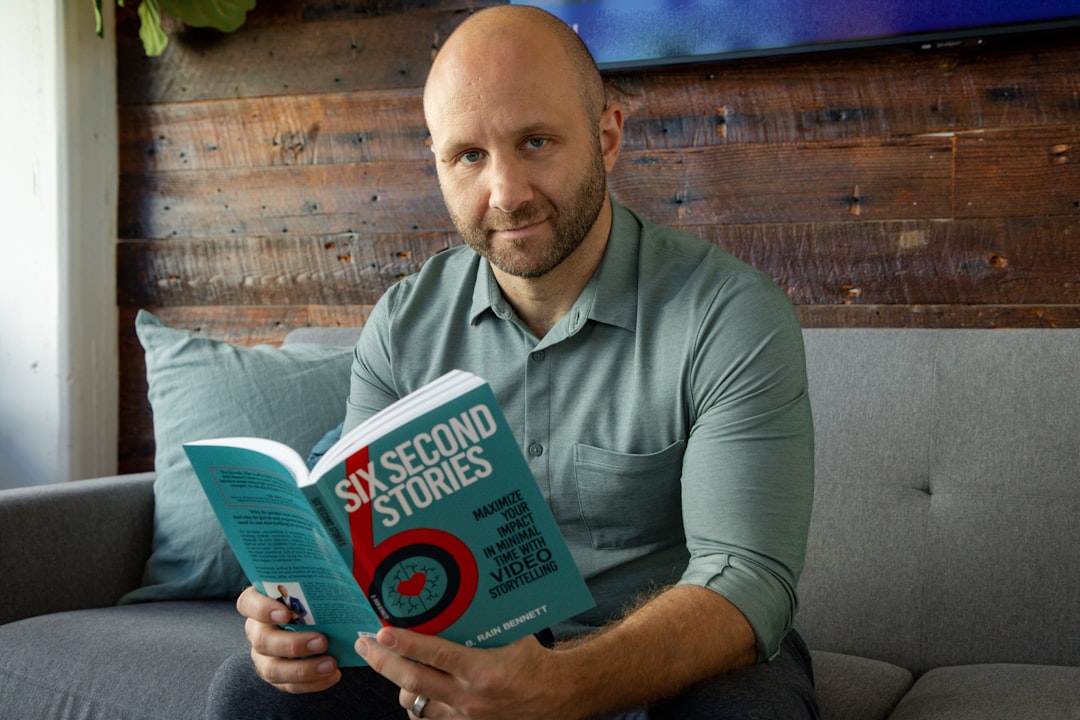
Discover how meme sounds like 'kapatlanbilgisayarı' and 'Señor me has mirado a los ojos' condense complex narratives and emotions into viral audio snippets.
In the realm of digital storytelling, brevity and impact are paramount. Viral meme sounds have evolved into sophisticated narrative devices, capable of conveying complex emotions, cultural references, and even entire plotlines within a few seconds. These audio snippets act as powerful shorthand, allowing creators to tap into shared cultural knowledge and evoke specific reactions from their audience. This article delves into five such narrative-driven sounds, exploring their origins, the stories they tell, and how digital strategists can harness their power to craft compelling and highly shareable content. Understanding these sonic narratives is key to mastering the art of concise and impactful digital communication.
About this sound
The sound "kapatlanbilgisayarı" (Turkish for "shut down the computer!") is a highly recognizable and often comedic audio clip, typically featuring an exasperated voice demanding that a computer be turned off. Its virality stems from its relatable scenario – the frustration with technology or the need to end a gaming session – and its dramatic, almost parental, tone. This sound is a cultural touchstone in many online communities, often used to punctuate moments of digital fatigue or to comically enforce a break from screen time. It shares a thematic link with other sounds that express exasperation or a firm command, such as the directness of answer me you maggot, but with a more specific, technology-related context.
Creators utilize "kapatlanbilgisayarı" to add a layer of relatable humor or dramatic emphasis to content involving computers, gaming, or online interactions. It's perfect for reaction videos to frustrating tech moments, comedic skits about internet addiction, or as a playful interjection when someone needs to step away from their screen. The sound's clear vocal delivery and strong emotional tone make it instantly impactful, grabbing audience attention and adding a touch of cultural specificity. It can be used ironically to highlight someone's inability to stop gaming, or genuinely to signal the end of a digital session. This sound is a powerful tool for creators looking to connect with audiences through shared digital experiences, much like the universal appeal of TIMI in gaming circles.
- Punctuate a moment of tech frustration or rage quitting.
- Use in comedic skits about excessive screen time.
- Add to a video signaling the end of a work or gaming session.
- Layer over a visual of a computer screen turning off.
A: It's Turkish for "shut down the computer!"
A: While Turkish, its meaning and emotional context are widely understood and appreciated globally.
A: End a video with this sound, implying an abrupt halt to an ongoing digital activity, leaving viewers wanting more.
About this sound
The sound "Tienes que votar por el lapiz carajo" (Spanish for "You have to vote for the pencil, damn it!") is a politically charged and highly emphatic audio clip, likely originating from a passionate speech or political advertisement. Its virality stems from its intense delivery and its clear, albeit specific, call to action. This sound is a powerful example of how political discourse can be distilled into a meme, becoming a shorthand for fervent conviction or a strong, almost aggressive, endorsement. It shares a thematic link with sounds that convey strong opinions or demands, such as the directness of how old are you gatekeeper, but with a more overtly political and persuasive tone. Its impact lies in its ability to instantly convey a sense of urgency and unwavering belief.
Creators utilize "Tienes que votar por el lapiz carajo" to inject a burst of passionate conviction or a comically intense call to action into their content. It's perfect for satirical political commentary, videos about strong opinions, or any narrative where a forceful declaration is desired. The sound's recognizable voice and dramatic delivery make it instantly impactful, grabbing audience attention and adding a layer of cultural reference. It can be used ironically to highlight trivial choices being treated with extreme seriousness, or genuinely to emphasize a strong, unwavering belief. This sound is a great way to add character and a touch of political satire to any digital narrative, much like the distinct personality of Señor me has mirado a los ojos in its own context.
- Punctuate a declaration of a strong political stance.
- Use ironically when facing a minor choice with extreme conviction.
- Add to a comedic skit about political debates.
- Layer over a visual of someone passionately advocating for something.
A: "You have to vote for the pencil, damn it!" in Spanish.
A: While political, its intensity can be repurposed for any strong, emphatic declaration.
A: Use it as a lead-in to a challenging sequence, implying high stakes with a comedic twist.
About this sound
The sound "Señor me has mirado a los ojos" (Spanish for "Lord, you have looked into my eyes") is a deeply emotional and spiritually resonant audio clip, often associated with moments of profound connection, recognition, or divine encounter. Its virality stems from its heartfelt delivery and its ability to evoke a sense of awe and personal significance. This sound is a powerful example of how religious or spiritual expressions can transcend their original context to become widely recognized memes, used to convey intense emotional experiences. It stands in contrast to purely comedic sounds, offering a moment of genuine gravitas and introspection, much like the reflective quality of Praise the sun echo in a different context.
Digital creators employ "Señor me has mirado a los ojos" to add a layer of profound emotional depth, spiritual significance, or dramatic recognition to their content. It's particularly effective in videos that explore personal journeys, moments of revelation, or any narrative where a deep, meaningful connection is highlighted. The sound's clear vocal delivery and strong emotional tone make it instantly impactful, grabbing audience attention and adding a touch of solemnity or wonder. It can be used to punctuate moments of personal insight, to introduce content related to faith or spirituality, or to simply add a layer of heartfelt commentary. This sound is a powerful tool for creators looking to evoke strong emotional responses and connect with audiences on a deeper level, much like the emotional weight of Aisa mat karo.
- Pair with a visual of a character having an epiphany.
- Use in content exploring personal growth or spiritual awakening.
- Add to a heartfelt narrative about destiny or fate.
- Layer over a scene depicting deep connection or understanding.
A: "Lord, you have looked into my eyes" in Spanish.
A: While religious in origin, its emotional depth can be applied to any profound personal connection or realization.
A: Use it to punctuate a moment of unexpected beauty or a profound discovery, enhancing the feeling of awe.
About this sound
The sound "answer me you maggot" is a highly aggressive and demanding vocalization, often associated with a character expressing extreme frustration, anger, or a forceful interrogation. Its virality stems from its intense delivery and its ability to convey a sense of immediate confrontation. This sound is a powerful example of how audio memes can be used to inject dramatic tension or comedic aggression into content. It stands in stark contrast to more playful sounds like cucurucho uwu, instead offering a direct and unyielding challenge. Its cultural impact lies in its role as a shorthand for demanding answers or expressing intense impatience, making it a versatile tool for creators in various dramatic or comedic contexts.
Creators utilize "answer me you maggot" to inject a burst of aggressive demand or a comically intense interrogation into their content. It's perfect for satirical takes on authority figures, videos about frustrating situations, or any narrative where a forceful declaration is desired. The sound's recognizable voice and dramatic delivery make it instantly impactful, grabbing audience attention and adding a layer of confrontational energy. It can be used ironically to highlight trivial questions being treated with extreme seriousness, or genuinely to emphasize a strong, unwavering demand for information. This sound is a great way to add character and a touch of dramatic tension to any digital narrative, much like the direct appeal of kapatlanbilgisayarı in its own context.
- Punctuate a moment of intense interrogation or demand.
- Use ironically when facing a minor question with extreme aggression.
- Add to a comedic skit about frustrating customer service.
- Layer over a visual of someone demanding answers.
A: Its origin can be generic, representing a common trope of aggressive questioning.
A: Due to its aggressive language, it should be used with caution and awareness of audience.
A: Pair it with a visual of someone being asked a very simple question, creating an absurd contrast.
About this sound
The sound "how old are you gatekeeper" is a direct and often confrontational vocalization, typically used to challenge someone who is perceived as being overly restrictive or exclusionary within a community or fandom. Its virality stems from its clear message of challenging authority or perceived elitism. This sound is a powerful example of how audio memes can be used for social commentary and to push back against exclusionary behaviors. It stands in contrast to sounds that might express confusion or affirmation, instead offering a direct challenge to perceived gatekeeping. Its cultural impact lies in its role as a shorthand for calling out unfair restrictions, similar to the directness of Don't Bully Furries in its own context.
Creators utilize "how old are you gatekeeper" to express frustration with exclusionary practices, to challenge perceived elitism, or to playfully (or seriously) call out those who try to control access to communities or interests. It's particularly effective in content that addresses online communities, fandoms, or any narrative where a challenge to authority is desired. The sound's directness makes it instantly understandable, cutting through ambiguity and delivering a clear message. It can be used to punctuate moments of frustration, to introduce content related to community dynamics, or to simply add a layer of critical commentary. This sound is a powerful tool for creators looking to align their content with messages of inclusivity and open access, much like the direct appeal of Tienes que votar por el lapiz carajo in its own context.
- Use in videos advocating for open and inclusive communities.
- Add to content discussing fandom culture and its challenges.
- Employ as a strong statement against perceived elitism.
- Layer over visuals promoting accessibility and diversity.
A: Someone who tries to control who belongs to or participates in a community.
A: While direct, it can be used playfully to challenge minor instances of gatekeeping.
A: It serves as an audible reminder to question exclusionary practices and promote broader participation.