La tua Soundboard
 Home
Home Nuovi
Nuovi Topics
 Di tendenza
 Più popolare
 Anime e Manga
 Giochi
 Meme
Meme Film
Film Musica
 Politica
 Scherzi
 Reazioni
 Effetti sonori
 Sport
Sport Televisione
 Tendenze TikTok
 Virale
 Audio di WhatsApp
 Termini di utilizzo
 Informativa sulla privacy
 Politica sul copyright DMCA
 Contattaci
 Chi siamo
The Ultimate Guide to Gaming & Anime Meme Sounds for Viral Content
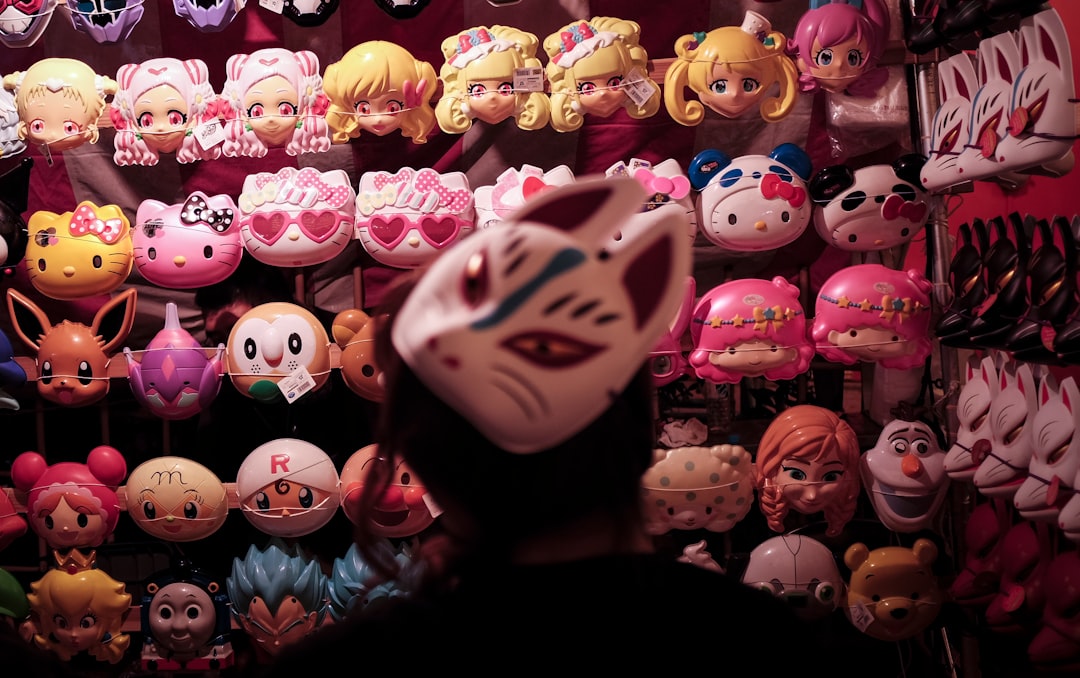
Dive into the world of iconic gaming and anime meme sounds, exploring their origins, cultural impact, and how digital creators leverage them for maximum engagement on platforms like TikTok and Reels.
In the fast-paced realm of digital content, sound is king. A perfectly timed audio clip can elevate a video from mundane to viral, capturing attention and embedding itself in the collective consciousness of internet culture. For digital strategists and content creators, understanding the nuances of meme sound culture is not just an advantage—it's a necessity. This article delves into five pivotal sounds from the gaming and anime spheres, dissecting their origins, psychological triggers, and offering actionable insights for algorithm-optimized editorial writing. From the triumphant cries of virtual victory to the explosive clashes of anime battles, these sounds are more than just audio; they are cultural touchstones waiting to be remixed into your next viral hit.
About this sound
The Happy Wheels Victory sound originates from the notoriously difficult and hilariously gory physics-based ragdoll game, Happy Wheels. This distinct, often high-pitched “Yeet!” or celebratory cheer became synonymous with overcoming absurd challenges within the game, even if the victory was short-lived or came at a great cost to the character. Its cultural context is rooted in early 2010s gaming YouTube, where creators like PewDiePie popularized the game, making its sounds instantly recognizable to a generation of internet users. It's often paired with other gaming-related sounds like a dramatic Round 2 announcement or a generic Meme sound for comedic effect.
Creators utilize the Happy Wheels Victory sound to punctuate moments of unexpected success, ironic triumphs, or even outright failure presented as a win. Its high-energy, slightly chaotic nature makes it perfect for short-form video platforms like TikTok and Reels, where quick, impactful audio cues drive engagement. It's frequently layered over clips of people barely succeeding at a task, achieving a minor goal, or humorously celebrating something trivial. The sound's inherent absurdity allows it to transcend its gaming origins, finding new life in everyday relatable scenarios, often alongside other reaction sounds like Oh my god (Female Voice) to amplify the surprise.
- Overlay on a clip of someone narrowly avoiding a mishap.
- Use for ironic celebrations of small, everyday wins.
- Combine with slow-motion footage for a dramatic, humorous effect.
- Pair with text overlays describing an unexpected positive outcome.
A: The specific "Yeet" sound is often associated with the Happy Wheels Victory sound, though "Yeet" itself has broader meme origins.
A: Absolutely! Its versatility makes it suitable for any content needing a punchy, ironic celebration, similar to how a The Voice Buzzer might be used for a dramatic reveal.
A: Shorten the clip to just the most recognizable part and place it precisely at the comedic climax of your video, perhaps even after a moment of silence for contrast.
About this sound
The iconic JoJo Muda Muda vs Ora Ora sound is a direct reference to the intense Stand battles in the anime series JoJo's Bizarre Adventure. "Muda Muda Muda" (meaning "useless, useless, useless") is the battle cry of Dio Brando's Stand, The World, while "Ora Ora Ora" is the signature cry of Jotaro Kujo's Stand, Star Platinum. This soundbite encapsulates the raw power and over-the-top action that defines the series, making it a cornerstone of anime meme culture. It's often used in conjunction with other anime-related sounds like Gojo Domain Expansion to signify a clash of powerful forces.
Digital creators deploy the JoJo Muda Muda vs Ora Ora sound to signify epic confrontations, intense debates, or any situation where two opposing forces are clashing. Its rapid-fire delivery and escalating intensity are perfect for hyping up a moment, whether it's a competitive gaming match, a heated discussion, or even a playful sibling rivalry. The sound's inherent drama makes it highly engaging, drawing viewers into the perceived conflict. It's a powerful tool for creators looking to inject a sense of high-stakes action into their content, often alongside a dramatic Kendrick Lamar Ahhhhh Scream for added emphasis.
- Use during a rapid-fire montage of competitive gameplay.
- Overlay on a video depicting a humorous argument or disagreement.
- Create a "versus" style edit between two contrasting elements.
- Combine with fast cuts and visual effects to mimic anime fight scenes.
A: It's Japanese for "useless, useless, useless," used by Dio Brando in JoJo's Bizarre Adventure.
A: It's a Japanese onomatopoeia for a punch or attack, used by Jotaro Kujo in JoJo's Bizarre Adventure.
A: While originating from anime, its widespread recognition in meme culture means it resonates with a broader audience, much like the universal appeal of a Meme sound.
About this sound
The generic Meme sound is a chameleon of internet culture, often a short, punchy, and somewhat absurd audio clip designed to elicit a quick laugh or signal a moment of self-aware internet humor. Its origin is less about a single source and more about the collective evolution of viral audio, embodying the essence of an "overused meme-style audio clip applied ironically." This sound is a staple in content that parodies internet humor, unexpected moments, and self-aware joke transitions. It frequently appears alongside other reaction sounds like phải chịu to emphasize a moment of resignation or absurdity.
Creators leverage the Meme sound to instantly inject a dose of internet irony and self-referential humor into their videos. It acts as a sonic shorthand, signaling to the audience that what they are watching is part of a larger, shared cultural joke. This sound is particularly effective on platforms like TikTok and Reels for its ability to quickly grab attention and communicate a specific comedic tone without needing extensive dialogue. It's often used to highlight awkward pauses, unexpected twists, or to simply acknowledge the absurdity of a situation, much like a well-placed Look better sound can add a layer of commentary.
- Punctuate a moment of awkward silence or an unexpected reveal.
- Use as a transition between two contrasting video segments.
- Overlay on a clip where someone makes a self-deprecating joke.
- Combine with a quick zoom-in effect for comedic emphasis.
A: A meme sound is typically a short, recognizable audio clip that gains widespread popularity and is used in various contexts, often ironically or humorously.
A: Focus on unique visual pairings and unexpected contexts. Avoid using it in the exact same way as popular trends, similar to how you'd innovate with a The Voice Buzzer.
A: Yes, overuse can lead to content feeling stale and predictable, diminishing its impact.
About this sound
The Kendrick Lamar Ahhhhh Scream is a powerful, raw vocalization that has transcended its musical origins to become a versatile meme sound. While its exact source within Kendrick Lamar's discography is debated, its intensity and emotional weight make it instantly recognizable. This sound is often associated with moments of extreme frustration, shock, or a dramatic realization, making it a staple in reaction content. It shares a similar emotional resonance with other impactful vocal sounds like Oh meu Deus, o que eu fiz? Kratos, both conveying a sense of profound distress or surprise.
Creators deploy the Kendrick Lamar Ahhhhh Scream to amplify dramatic tension, express relatable frustration, or punctuate a moment of comedic despair. Its visceral nature cuts through the noise, immediately drawing the viewer's attention to the emotional core of the content. On platforms like TikTok and Reels, where authenticity and raw reactions often go viral, this sound is invaluable for conveying strong feelings without needing lengthy explanations. It's frequently used in edits depicting relatable struggles, unexpected plot twists, or moments of intense gaming, often alongside a sudden visual cut or zoom to maximize its impact, much like the abruptness of a The Voice Buzzer.
- Use to emphasize a moment of extreme frustration or anger.
- Overlay on a video depicting a shocking or unexpected event.
- Combine with a sudden visual cut to black or a dramatic zoom.
- Apply to content where a character or person is overwhelmed.
A: While widely attributed to him, the exact song or performance is often debated, adding to its mystique as a standalone meme.
A: Pair it with lighthearted or ironic visuals to create a comedic contrast, similar to how a Happy Wheels Victory sound can be used ironically.
A: Reaction videos, gaming clips, and short-form comedic skits that rely on exaggerated emotional responses.
5. Phải Chịu
About this sound
The Phải Chịu sound, originating from Vietnamese internet culture, translates roughly to "have to bear it" or "must endure." This soundbite carries a sense of resignation, acceptance of an unfortunate fate, or a humorous acknowledgment of an unavoidable situation. Its cultural context is deeply rooted in relatable everyday struggles and the shared experience of dealing with minor inconveniences or absurd circumstances. It often appears in content that evokes a feeling of "it is what it is," similar to the universal shrug implied by a generic Meme sound.
Digital creators utilize the Phải Chịu sound to add a layer of understated humor and cultural specificity to their content. It's particularly effective in scenarios where a situation is slightly annoying, inconvenient, or just plain ridiculous, and the only appropriate response is a resigned acceptance. On platforms like TikTok and Reels, this sound resonates because it taps into a universal feeling of mild exasperation, often without needing explicit translation for its emotional impact to be understood. It's a subtle yet powerful tool for creators looking to connect with audiences through shared experiences of life's little absurdities, much like the quiet commentary of a Look better sound.
- Use to punctuate a moment of resigned acceptance after a minor failure.
- Overlay on a video depicting a relatable, slightly inconvenient situation.
- Combine with a slow pan or zoom out to emphasize the "it is what it is" feeling.
- Apply to content where someone is humorously dealing with an absurd rule.
A: It's Vietnamese for "have to bear it" or "must endure," conveying resignation.
A: While originating there, its emotional resonance has allowed it to gain traction in broader meme communities globally.
A: The context and visual cues of your video will convey the meaning, much like how the drama of JoJo Muda Muda vs Ora Ora is universally understood.