La tua Soundboard
 Home
Home Nuovi
Nuovi Topics
 Di tendenza
 Più popolare
 Anime e Manga
 Giochi
 Meme
Meme Film
Film Musica
 Politica
 Scherzi
 Reazioni
 Effetti sonori
 Sport
Sport Televisione
 Tendenze TikTok
 Virale
 Audio di WhatsApp
 Termini di utilizzo
 Informativa sulla privacy
 Politica sul copyright DMCA
 Contattaci
 Chi siamo
Cinematic Impact: Sounds That Define Digital Drama
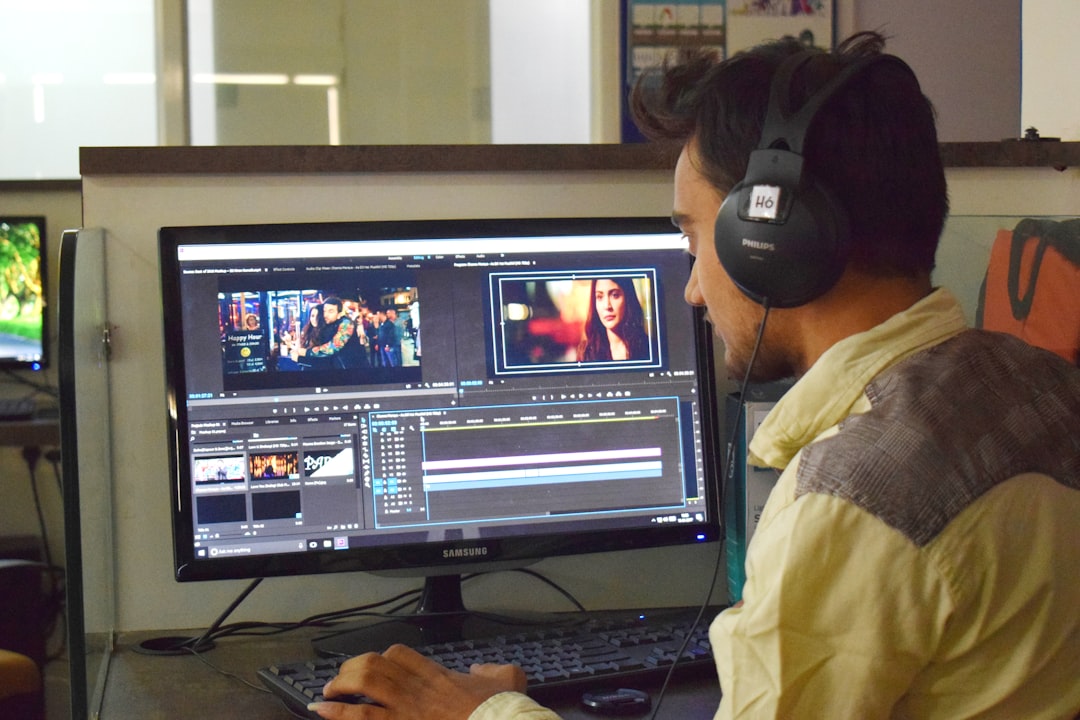
Explore how iconic cinematic sounds, from the menacing 'Prowler Sound Effect' to the thunderous 'T-Rex Roar,' are repurposed in meme culture to create dramatic tension, emphasize power, and deliver impactful narrative beats in short-form video content.
In the digital age, the power of cinematic sound design extends far beyond the silver screen, finding new life and viral potential in meme culture. Creators are masterfully recontextualizing dramatic audio cues to elevate their content, transforming mundane moments into epic narratives or comedic spectacles. These sounds, imbued with inherent tension and power, act as a shorthand for complex emotions and plot developments, instantly hooking audiences and driving engagement. This article delves into five pivotal cinematic and dramatic sounds, dissecting their origins, cultural impact, and offering strategic advice for deploying them to maximize your content's algorithmic reach and emotional resonance.
About this sound
The Prowler Sound Effect, an intense, distorted bass cue, originates from the 'Spider-Man: Into the Spider-Verse' film, specifically associated with the character Prowler. It quickly viralized as the definitive audio signal for impending danger, a sudden plot twist, or a character entering their 'villain mode.' Its deep, unsettling rumble creates an immediate sense of dread and anticipation, making it a favorite for creators looking to inject cinematic tension into their content. This sound functions similarly to the way a dramatic musical sting, like the beginning of Main Station Scene, can signal a significant shift in mood or narrative.
Digital creators deploy the Prowler Sound Effect to transform ordinary situations into high-stakes dramatic scenarios. It's particularly effective when a character makes a sudden, menacing entrance, or when a seemingly innocuous object is revealed to have a darker purpose. The sound's ability to instantly shift the tone of a video makes it invaluable for comedic irony or genuine suspense. Its distinct, bass-heavy signature ensures it cuts through other audio, demanding viewer attention and driving higher engagement rates. It's a prime example of how a well-placed sound can carry significant narrative weight, much like the impactful T-Rex Roar.
- Best for villainous transformation memes.
- Ideal for building cinematic suspense.
- Works well with heavy bass EQ boosts.
- Great for anime and superhero fan edits.
A: It is the signature theme for the character Prowler in 'Spider-Man: Into the Spider-Verse'.
A: Use it with a sudden visual reveal and minimal other audio.
A: No, it can be used ironically for mundane 'threats' or dramatic reveals.
2. T-Rex Roar
About this sound
The thunderous T-Rex Roar, instantly recognizable from the 'Jurassic Park' franchise, has become a universal symbol for overwhelming power, unstoppable force, and dramatic, often chaotic, entrances. In meme culture, it's repurposed to exaggerate the scale of a situation, humorously framing a small subject as a colossal threat or a character's entrance as an earth-shattering event. Its primal energy taps into a deep-seated awe and fear, making it incredibly effective for capturing attention. This sound often works in conjunction with other powerful sound effects, such as the defensive clang of Skeleton with shield, to create a dynamic auditory narrative of conflict and power.
Creators use the T-Rex Roar to inject a sense of epic scale and dramatic irony into their content. It's perfect for moments where a character is acting overly aggressive, a pet is causing disproportionate chaos, or when introducing a 'boss level' challenge in a comedic context. The sheer volume and intensity of the roar ensure that it commands attention, making it a high-impact sound for short-form videos. Its ability to instantly convey immense power makes it a staple for 'glow-up' edits or 'beast mode' transformations. It shares a similar capacity for signaling a major shift in power dynamics as the Rage Bait sound, albeit with a more primal, less manipulative tone.
- Best for 'epic' character reveals.
- Ideal for framing power-up sequences.
- Works well with heavy bass EQ boosts.
- Great for ironic 'beast mode' storytelling.
A: No, it's a cinematic sound design piece, used for auditory power.
A: Yes, for comedic effect, to exaggerate their perceived threat.
A: Add a slight delay and reverb to simulate a vast, echoing space.
About this sound
The Skeleton with shield sound is a distinct, clinking noise often associated with retro RPGs, specifically signaling a defensive move or a sudden block. In meme culture, it has been recontextualized to represent unexpected protection, a character's attempt to deflect criticism, or a humorous 'game logic' application to real-world scenarios. Its nostalgic charm and clear auditory message make it a versatile tool for comedic timing. This sound offers a lighter, more playful form of defense compared to the intense confrontation implied by the Prowler Sound Effect, providing a unique flavor of digital drama.
Creators utilize the Skeleton with shield sound to add a layer of retro-gaming flair and ironic defense to their content. It's perfect for moments when a character physically or verbally blocks an attack, or when an unexpected barrier appears. The sound's crisp, metallic quality ensures it stands out, making it an effective punchline or transition element. It works by tapping into a shared understanding of gaming mechanics, instantly communicating a defensive action to the audience. This makes it a high-retention sound, often paired with visual cues like a character raising their hands or a sudden graphic overlay, much like the way Toasty mortal kombat signals a specific gaming action.
- Best for 'defensive' reaction moments.
- Ideal for retro-gaming themed edits.
- Works well with pixel visual transitions.
- Great for surreal obstacle humor.
A: Retro RPG gaming sound effects.
A: Triggers a sense of nostalgic 'game-logic' humor.
A: Characters being blocked or defended.
About this sound
The Queen laugh deltarune sound, a distinctive and often unsettling cackle from the popular video game 'Deltarune,' has found its niche in meme culture as a signal for mischievous glee, sardonic amusement, or a villainous, knowing laugh. Its unique, almost robotic quality gives it an otherworldly charm, making it perfect for moments of dark humor or when a character reveals a cunning plan. This sound provides a specific flavor of comedic villainy, distinct from the more general mockery of the Laughing dog meme, by implying a deeper, more calculated form of amusement.
Creators employ the Queen laugh deltarune to add a layer of quirky, game-specific humor to their content. It's particularly effective when a character delivers a sarcastic remark, a plan comes together in an unexpected way, or to punctuate a moment of self-satisfied villainy. The sound's distinct character ensures it stands out, making it a memorable element in short-form videos. It works by leveraging the recognition of 'Deltarune' fans while also appealing to a broader audience through its inherently humorous and slightly sinister tone. This makes it a high-retention sound, often paired with visual cues like a character smirking or a sudden close-up on their face, much like how FNAF JJ HELLO signals a unique character's presence.
- Best for mischievous or sardonic humor.
- Ideal for game-specific fan content.
- Works well with quick cuts and character reactions.
- Great for moments of subtle villainy or cunning.
A: It's the laugh of the character Queen from the game 'Deltarune'.
A: More mischievous or sardonic than genuinely happy.
A: Yes, for any moment requiring a quirky, knowing laugh.
5. Rage Bait
About this sound
The Rage Bait sound is a modern meme phenomenon, often characterized by an escalating, irritating, or deliberately provocative audio loop designed to elicit a strong emotional response, typically anger or frustration. It's a meta-commentary on internet culture itself, where creators intentionally craft content to generate outrage and, consequently, engagement. This sound is a powerful tool for manipulating audience psychology, driving comments, shares, and views through sheer irritation. It stands in stark contrast to the more straightforward dramatic impact of sounds like the T-Rex Roar, relying instead on psychological provocation for its viral spread.
Creators employ Rage Bait to intentionally stir up controversy and discussion, knowing that negative engagement often translates to higher algorithmic visibility. It's particularly effective in short-form videos where a repetitive, annoying sound is paired with a visually frustrating or illogical action. The sound's effectiveness lies in its ability to tap into human impatience and a desire to correct perceived wrongs. This makes it a high-retention sound, as viewers often watch to see if the frustrating element resolves, or comment to express their annoyance. It's a strategic choice for creators aiming for maximum interaction, similar to how the Extremely loud incorrect buzzer can provoke a strong, immediate reaction.
- Use to intentionally provoke audience reaction.
- Combine with visually frustrating or illogical actions.
- Employ repetitive, slightly off-key audio loops.
- Target niche communities with specific pet peeves.
A: Content designed to provoke anger or frustration for engagement.
A: It's a controversial strategy, often debated for its impact on online discourse.
A: Understand your audience's triggers and use subtle, escalating irritation.