Papan Suara Anda
 Beranda
 Baru
Baru Topics
 Tren
Tren Paling populer
 Anime & Manga
 Permainan
 Meme
Meme Film
Film Musik
Musik Politik
 Lelucon
 Reaksi
 Efek suara
 Olahraga
 Televisi
 Tren TikTok
 Viral
Viral Audio WhatsApp
 Syarat Penggunaan
 Kebijakan Privasi
 Kebijakan Hak Cipta DMCA
 Hubungi Kami
 Tentang Kami
Mastering the Meme Palette: Culturally Specific Sounds for Global Impact
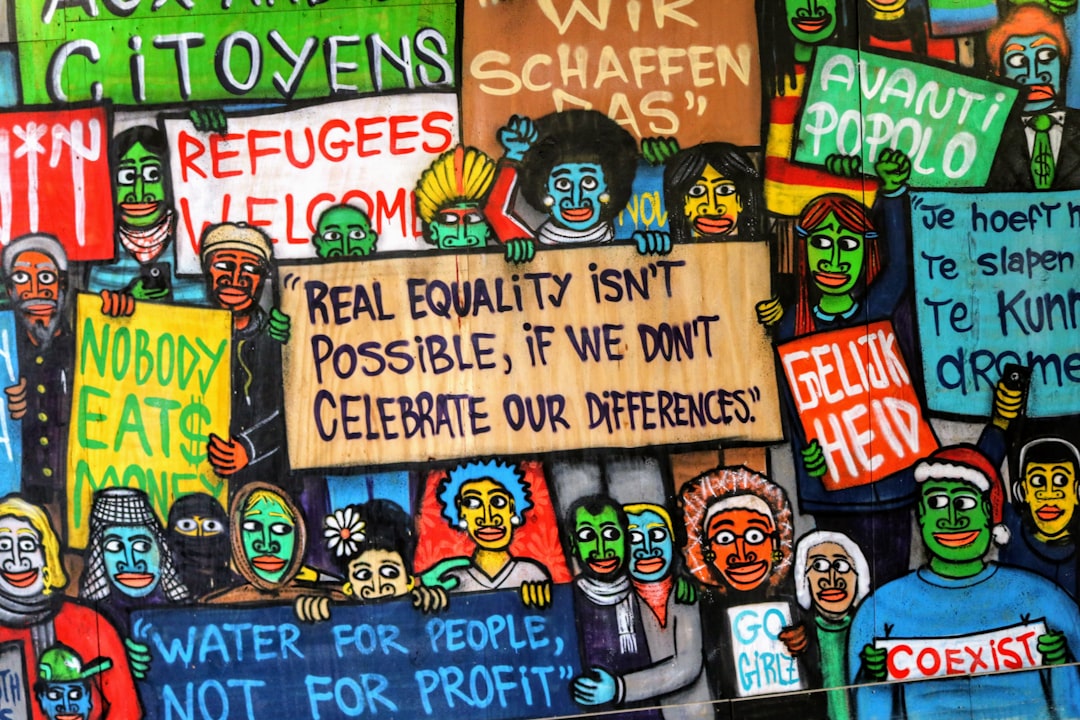
Explore how culturally rich sounds like 'Bin genervt' and 'Sucez ma quesh' offer unique expressive power, allowing creators to connect with diverse audiences and amplify their content's global reach.
In an increasingly interconnected digital world, the most impactful meme sounds often carry a distinct cultural fingerprint. These are the audio snippets that, while rooted in a specific language or regional context, possess an underlying emotional resonance that transcends geographical boundaries. For digital media strategists, understanding and respectfully deploying these culturally specific sounds is a powerful way to tap into diverse audiences, fostering deeper engagement and creating content that feels both authentic and globally relevant. Let's delve into how these unique sonic expressions can enrich your creative palette and amplify your message across the digital sphere.
About this sound
The "Harry Potter not Daniel" soundbite is a meta-commentary on the pervasive association of Daniel Radcliffe with the Harry Potter character, often used to humorously correct or clarify a perceived misconception. Its cultural context is deeply embedded in the fandom of the "Harry Potter" series and the broader pop culture landscape, where actors often become synonymous with their most famous roles. The sound's virality comes from its playful subversion of expectations and its ability to resonate with anyone who has ever had to correct a common misunderstanding, much like the clarifying tone of Actually... or the gentle correction of Wrong. It's a sound that adds a layer of knowing humor and insider appeal.
Creators utilize "Harry Potter not Daniel" to add a humorous, self-aware correction or clarification to their content. It's particularly effective in commentary videos discussing pop culture, or in comedic skits where a character makes an obvious, yet common, mistake. The sound's specific reference to Harry Potter ensures immediate recognition and a strong connection with fans, while its broader theme of correcting misconceptions makes it accessible to a wider audience. Its lighthearted nature allows it to be used in various contexts without being overly critical. When considering its application, think of how Mind Blown is used for surprising revelations, but with a focus on correcting a common, often humorous, error.
- Correct common misconceptions in pop culture commentary.
- Use in comedic skits where characters make obvious mistakes.
- Integrate into educational content for humorous clarifications.
- Pair with visuals that highlight the incorrect statement.
A: It likely stems from a fan-made edit or a humorous commentary piece within the Harry Potter fandom, playing on common misattributions.
A: Absolutely! Its underlying principle of correcting a common association can be adapted to other pop culture references, making it versatile.
A: Ensure the misconception being corrected is widely known, so the audience immediately understands the humor and the meta-commentary.
2. Bin genervt
About this sound
The "Bin genervt" sound, a German phrase meaning "I'm annoyed" or "I'm fed up," is a direct and relatable expression of frustration that has found its way into global meme culture. Its cultural context is rooted in everyday German conversational exasperation, but its emotional core is universally understood. The sound's virality comes from its authentic portrayal of annoyance and its ability to instantly convey a mood of being utterly fed up with a situation, much like the exasperated sigh of Ugh or the frustrated groan of Facepalm Sound. It's a perfect sound for creators looking to express relatable irritation with a touch of international flair.
Creators utilize "Bin genervt" to punctuate moments of relatable frustration, minor annoyances, or comedic exasperation in their content. It's particularly effective in reaction videos to frustrating gameplay, commentary on irritating online trends, or comedic skits depicting everyday struggles. The sound's clear, concise delivery and its distinct German origin make it memorable and add a unique flavor to content. Its ability to instantly communicate a universal emotion ensures high engagement and shareability. When considering its application, think of how This Is Fine is used to express resignation, but with a more active, vocalized sense of annoyance.
- Punctuate moments of relatable frustration in vlogs.
- Use in gaming videos to react to annoying game mechanics.
- Integrate into comedic skits depicting everyday annoyances.
- Pair with visuals that convey exasperation or being fed up.
A: It's a German phrase that translates to "I'm annoyed" or "I'm fed up."
A: While often used comedically, its authentic tone allows it to convey genuine, albeit mild, frustration in more serious contexts as well.
A: Ensure the preceding event clearly justifies the annoyance, allowing the audience to empathize with the feeling and appreciate the sound's perfect timing.
3. بدي نسوان
About this sound
The sound "بدي نسوان" (Bady Niswan) is an Arabic phrase that translates to "I want women." Its cultural context is often rooted in a specific type of internet humor, typically involving exaggerated expressions of desire or comedic declarations of intent, sometimes bordering on the provocative. The sound's virality comes from its directness and its ability to evoke a strong, often humorous, reaction due to its bold statement, much like the audacious claim of I Need A Girl or the playful bravado of Ladies Man. It's a sound that can be used to create a moment of shock, amusement, or even ironic self-deprecation, depending on the context.
Creators utilize "بدي نسوان" to inject a moment of bold, often comedic, declaration into their content. It's particularly effective in comedic skits where a character expresses an exaggerated desire, or in reaction videos where a creator is responding to content that elicits such a sentiment. The sound's distinct Arabic origin adds a unique cultural flavor, making it stand out in the global meme landscape. Its direct and somewhat provocative nature ensures it grabs attention and generates strong reactions, contributing to its algorithmic success. When considering its application, think of how Rizz Sound is used to signal flirtation, but with a more direct and less subtle approach.
- Use in comedic skits for exaggerated expressions of desire.
- Integrate into reaction videos for a bold, humorous response.
- Pair with visuals that convey playful bravado or mock desperation.
- Employ in content that thrives on edgy or provocative humor.
A: It's an Arabic phrase that translates to "I want women."
A: While direct, its meme usage is often for comedic exaggeration. However, creators should be mindful of cultural context and audience sensibilities to avoid misinterpretation.
A: Use it in contexts that are clearly humorous and ironic, avoiding any situations that could be perceived as genuinely disrespectful or objectifying.
About this sound
The "Sucez ma quesh" sound, a French phrase that translates to "Suck my dick," is a provocative and often humorous expletive that has found its place in online reaction culture. Its cultural context is rooted in French street slang and internet humor, used to express defiance, frustration, or a dismissive attitude. The sound's virality comes from its bluntness and its ability to instantly convey a strong, often aggressive, emotional response, much like the defiant tone of F*** You or the dismissive wave of Get Out. It's a sound that adds an edgy, rebellious flair to content, often used for comedic shock value.
Creators utilize "Sucez ma quesh" to inject a moment of provocative humor, defiance, or comedic frustration into their content. It's particularly effective in reaction videos where a creator is responding to absurd or irritating content, or in comedic skits where a character expresses strong disapproval. The sound's distinct French origin adds a unique cultural element, making it memorable and engaging for a global audience. Its raw, expletive nature ensures it grabs attention and generates strong reactions, contributing to its algorithmic success. When considering its application, think of how Mic Drop is used to signal a definitive end, but with a more aggressive and defiant vocalization.
- Use in comedic skits for provocative humor or defiance.
- Integrate into reaction videos for a strong, humorous response.
- Pair with visuals that convey frustration or a dismissive attitude.
- Employ in content that thrives on edgy or rebellious humor.
A: It's a French slang phrase that translates to "Suck my dick."
A: Yes, it is an expletive. Its use should be carefully considered for audience appropriateness and content guidelines.
A: Use it in contexts that are clearly satirical or comedic, and be highly mindful of your target audience and platform rules regarding explicit language.
5. Yes LORD
About this sound
The "Yes LORD" sound, described as a "Black Church Organ," is a powerful and emotionally resonant audio snippet that evokes a sense of spiritual affirmation, enthusiastic agreement, or a dramatic moment of realization. Its cultural context is deeply rooted in African American church traditions, where such exclamations are common during sermons or musical performances. The sound's virality comes from its ability to instantly convey a feeling of profound agreement, a dramatic "amen," or a moment of intense emotional connection, much like the soulful swell of Hallelujah or the heartfelt affirmation of Preach!. It's a sound that adds a layer of spiritual or dramatic gravitas.
Creators utilize "Yes LORD" to punctuate moments of strong agreement, dramatic affirmation, or a powerful emotional climax in their content. It's particularly effective in reaction videos where a creator is deeply moved or in agreement with something, or in comedic skits where a character delivers a profound, albeit perhaps ironic, statement. The sound's distinct gospel organ accompaniment adds a rich, soulful texture, making it highly memorable and engaging. Its ability to instantly communicate a powerful emotional response ensures high engagement and shareability. When considering its application, think of how Amen Brother is used, but with a more expansive, musically rich affirmation.
- Punctuate moments of strong agreement or affirmation.
- Use in reaction videos to express deep emotional connection.
- Integrate into comedic skits for ironic profound statements.
- Pair with visuals that convey spiritual or dramatic gravitas.
A: It originates from the musical and vocal traditions of African American churches, often heard during moments of spiritual affirmation.
A: Yes, its emotional resonance makes it versatile for expressing strong agreement or dramatic affirmation in secular content, often with a humorous twist.
A: Allow the organ to swell slightly before the vocalization, creating a sense of build-up and making the "Yes LORD" feel even more powerful and resonant.