Papan Suara Anda
 Beranda
 Baru
Baru Topics
 Tren
Tren Paling populer
 Anime & Manga
 Permainan
 Meme
Meme Film
Film Musik
Musik Politik
 Lelucon
 Reaksi
 Efek suara
 Olahraga
 Televisi
 Tren TikTok
 Viral
Viral Audio WhatsApp
 Syarat Penggunaan
 Kebijakan Privasi
 Kebijakan Hak Cipta DMCA
 Hubungi Kami
 Tentang Kami
Mastering Sound Effects: Elevating Your Content with Sonic Impact
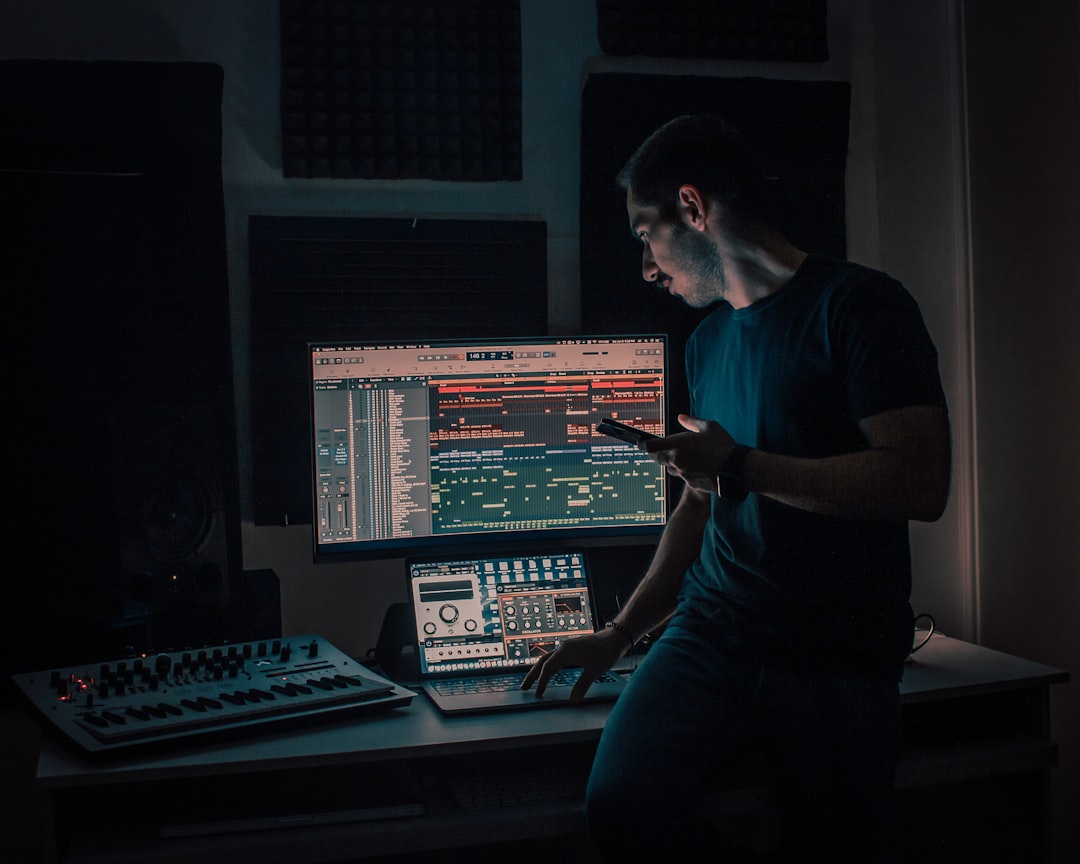
Discover how strategic use of sound effects can dramatically enhance your digital content, from adding comedic timing to building suspense. Learn to integrate these audio tools effectively for maximum audience engagement.
Sound effects are the unsung heroes of digital content, often working subtly in the background but profoundly impacting viewer experience. They can transform a simple visual into a laugh-out-loud moment, build palpable tension, or instantly transport your audience to a different setting. For digital creators, understanding the psychology behind effective sound design is paramount. It's not just about adding noise; it's about strategically choosing and placing audio cues that amplify your message and resonate with your audience's emotional state. This article explores a selection of versatile sound effects, delving into their origins, popular uses, and offering expert tips to help you master the art of sonic storytelling in your videos and streams.
About this sound
The "Doors Closing | TransLink" sound is a surprisingly versatile and widely recognized sound effect, particularly popular in content related to public transport, transitions, or even as a comedic cue for finality. Originating from the actual sound of doors closing on TransLink public transit systems, its distinct chime and mechanical whoosh evoke a sense of movement, departure, or an impending end. Its virality often comes from its use in ironic contexts, such as signaling the end of an argument or a definitive conclusion to a humorous situation. It pairs well with other ambient or transitional sounds like Sayur pak dadang for a sense of urban bustle, or even as a dramatic counterpoint to a sudden, loud sound like gimmie your ring, creating a dynamic audio landscape.
Creators use this sound to mark transitions, signal a definitive end to a segment, or add a touch of urban realism to their videos. It's particularly effective in travel vlogs, daily life content, or comedic skits where a character is making a dramatic exit or facing an irreversible situation. The crispness of the sound and its inherent association with movement make it a powerful tool for pacing and narrative. Its universal recognition, even outside of Vancouver's TransLink system, speaks to the power of specific sound effects to evoke shared experiences. Think of it as a sonic period at the end of a sentence, providing closure and impact, much like the finality conveyed by a sound like PM.PL.
- Mark the end of a video segment or scene transition.
- Use as a comedic cue for a character's dramatic exit.
- Integrate into travel content to signify movement between locations.
- Layer under a visual of something being sealed or closed.
A: It's the actual sound of doors closing on the public transit system in Vancouver, British Columbia, Canada.
A: While specific to TransLink, its generic nature allows it to represent almost any closing door or barrier in content.
A: Combine it with a visual cut or a sudden change in music to heighten its effect.
About this sound
The "Sayur pak dadang" sound, likely originating from Indonesian street vendor calls, is a vibrant and culturally specific sound effect that has found its way into global meme culture. Its charm lies in its unique vocalization and the cultural context it evokes – bustling markets, street life, and everyday interactions. Creators often use this sound to add an authentic, exotic, or simply humorous touch to their content, particularly when depicting scenes of commerce, daily routines, or unexpected calls. Its virality is a testament to how specific cultural sounds can become universally appreciated for their distinctiveness. It can be playfully combined with other ambient sounds like Nois cumemo pizza to create a lively soundscape, or used as a surprising element in a quiet scene, much like the suddenness of gimmie your ring.
This sound is a fantastic tool for adding cultural flavor and unexpected humor. Digital creators use "Sayur pak dadang" to instantly set a scene, introduce a character, or simply to add a quirky, memorable audio element. It's particularly effective in travel vlogs, cooking content, or comedic skits that play on cultural misunderstandings or unexpected appearances. The sound's distinctiveness ensures it stands out, making content more engaging and memorable. Its ability to evoke a specific atmosphere makes it invaluable for creators looking to add depth and authenticity to their narratives, proving that even simple street sounds can become powerful storytelling devices. It's a sound that, much like Mc.scpalapa, brings a unique regional flavor to the global meme stage.
- Use to establish a bustling market or street scene.
- Integrate into cooking videos for an authentic touch.
- Employ as a humorous, unexpected vocal interruption.
- Pair with visuals of daily routines or cultural exploration.
A: "Sayur" means vegetables, and "Pak Dadang" is a common Indonesian name, suggesting it's a vendor calling out his wares.
A: No, its unique charm makes it versatile for adding cultural flavor or humor to diverse content.
A: Use it in an unexpected context, such as a formal setting, or to punctuate a mundane task with an exotic flair.
About this sound
The "gimmie your ring" sound is a short, assertive, and often comically demanding sound effect that has gained traction in various meme contexts. Its directness and slightly aggressive tone make it perfect for situations where a character is making an insistent request, playfully demanding something, or even as a punchline to a setup where something valuable is at stake. The virality of this sound stems from its clear, concise message and its ability to instantly convey a sense of playful urgency or mock threat. It's a sound that thrives on unexpected delivery and can add a layer of humorous tension to a scene. It often appears alongside other short, impactful vocalizations like Prime Laugh for a quick comedic one-two punch, or even as a playful challenge preceding a sound like Spider what, creating a narrative arc through sound.
Creators use "gimmie your ring" to inject a moment of playful demand or mock urgency into their content. It's ideal for comedic skits, reaction videos, or any scenario where a character is making a bold, slightly absurd request. The sound's effectiveness lies in its ability to quickly establish a dynamic between characters or to punctuate a visual gag with an audio exclamation. Its brevity ensures it can be seamlessly integrated into fast-paced editing, making it a favorite for short-form video platforms. This sound is a prime example of how a simple phrase, delivered with the right intonation, can become a powerful tool for comedic expression and audience engagement. It's a sound that, like DEEZ NUTS SOUND EFFECT, relies on a sudden, impactful delivery.
- Use for a comedic, insistent demand in a skit.
- Pair with a visual of someone reaching for an object.
- Integrate into reaction videos for a playful challenge.
- Apply as a punchline to a setup involving a valuable item.
A: Comedic skits, prank videos, or content involving playful demands and challenges.
A: Typically, it's used in a mock-aggressive or playfully demanding context for comedic effect.
A: Contrast it with a visual of someone who is clearly not in a position to demand anything, or use it for something trivial.
About this sound
The "Rush Welcome to Dlive" sound is a specific, enthusiastic greeting that has become a recognizable audio cue within the streaming and gaming communities, particularly for those familiar with the DLive platform. Its virality stems from its clear, welcoming tone and its association with a specific online culture. Creators often use this sound to greet their audience, mark the beginning of a stream or video, or to playfully welcome someone into a new (and often chaotic) digital space. It's a sound that fosters a sense of community and shared experience, instantly signaling a specific type of online interaction. It can be paired with other gaming or streaming-related sounds, or even used ironically to welcome someone to a less-than-ideal situation, much like the unexpectedness of Bronchitis in a health context, or the general welcome of a new meme like ozanshowtimebrooğ.
Digital creators leverage "Rush Welcome to Dlive" to establish an immediate connection with their audience and set a welcoming tone. It's ideal for intros to streams, YouTube videos, or any content where a clear, enthusiastic greeting is desired. The sound's inherent positive energy makes it a great tool for building rapport and creating a friendly atmosphere. Its recognition within specific online communities also helps to signal shared interests and cultural understanding, enhancing engagement among target audiences. This sound is a powerful example of how platform-specific audio cues can transcend their original purpose to become broader cultural touchstones, much like the distinct sound of Doors Closing | TransLink.
- Use as an intro sound for live streams or video content.
- Integrate to welcome new viewers or subscribers.
- Employ ironically to welcome someone to a chaotic or difficult situation.
- Pair with animated text or graphics for a dynamic opening.
A: DLive is a live streaming platform, particularly popular among certain gaming and content creator communities.
A: Yes, its welcoming nature makes it versatile for any content where you want to greet an audience enthusiastically.
A: Combine it with a unique visual animation or a personalized voiceover before or after the sound.
5. Prime Laugh
About this sound
The "Prime Laugh" sound is a classic, hearty, and often exaggerated laugh track that has become a go-to for creators looking to inject instant humor and a sense of lightheartedness into their content. Its virality stems from its universal appeal as a comedic punctuation mark, capable of amplifying a joke, reacting to an absurd situation, or simply adding a layer of jovial commentary. This laugh is instantly recognizable and carries a positive, infectious energy, making it a safe and effective choice for a wide range of content. It often appears in conjunction with other reaction sounds, such as the sudden realization conveyed by Koteshwaraye - Ravi Kishan, or as a follow-up to a successful prank, much like the payoff after a DEEZ NUTS SOUND EFFECT, solidifying its place in the comedic soundscape.
Digital creators frequently use "Prime Laugh" to punctuate jokes, react to funny visuals, or to create a general atmosphere of amusement. It's particularly effective in comedic compilations, blooper reels, or any content where the goal is to elicit a smile or a chuckle from the audience. The sound's robust and clear quality ensures it cuts through background noise, making its impact undeniable. Its versatility allows it to be used both genuinely, to highlight something truly funny, or ironically, to mock a bad joke or an awkward situation. This sound is a testament to the enduring power of a good laugh, proving that some audio cues are timeless in their ability to evoke joy. It's a sound that, like G A Y, can be used for ironic comedic effect.
- Punctuate visual jokes or comedic dialogue.
- Use as a reaction to an absurd or funny situation.
- Integrate into blooper reels or funny compilations.
- Layer over a visual of someone smiling or enjoying themselves.
A: It's a classic, often exaggerated, sound effect designed to evoke a general sense of amusement.
A: Generally, no. Its comedic nature makes it unsuitable for serious or dramatic content, unless used ironically.
A: Combine it with unique visual gags or specific character reactions to give it a fresh context.