आपका साउंडबोर्ड
 होम
होम नया
नया Topics
 ट्रेंडिंग
 सबसे लोकप्रिय
 ऐनीमे और मंगा
 गेम्स
गेम्स मीम्स
मीम्स फ़िल्में
 संगीत
संगीत राजनीति
 मजाक
मजाक प्रतिक्रियाएँ
 ध्वनि प्रभाव
 खेल
खेल टेलीविजन
 टिकटोक ट्रेंड्स
 वायरल
वायरल व्हाट्सएप ऑडियो
 उपयोग की शर्तें
 गोपनीयता नीति
 डीएमसीए कॉपीराइट नीति
 संपर्क करें
 हमारे बारे में
The Wild Symphony: How Animal & Nature Sounds Dominate Viral Content
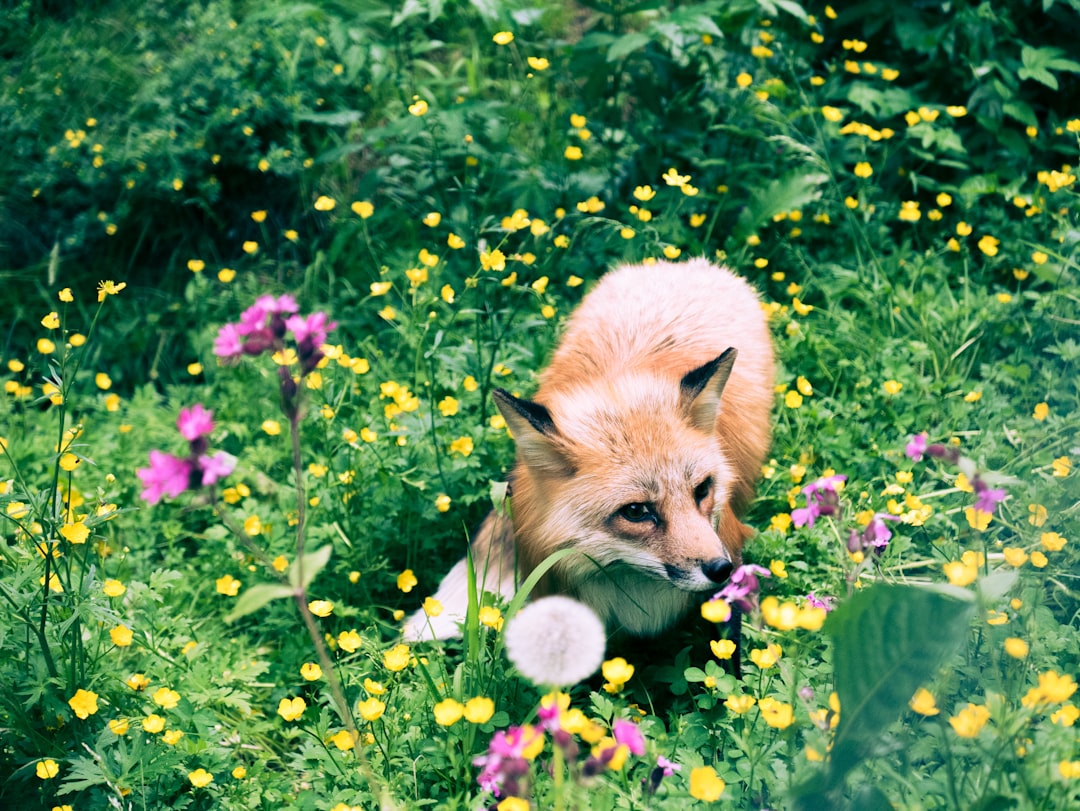
Explore the primal appeal and strategic use of animal and nature sounds in digital media, from comedic roars to heartwarming barks, and how they capture audience attention.
In the fast-paced world of digital content, where attention spans are fleeting, certain auditory elements possess an almost primal power to cut through the noise. Animal and nature sounds, in particular, have carved out a significant niche in viral meme culture, offering creators a versatile toolkit for evoking emotion, injecting humor, and creating unforgettable moments. From the unexpected burst of a Shrek's roar to the comforting cadence of a What a good boy, these sounds tap into universal experiences and reactions, making them incredibly effective for engagement across platforms like TikTok and Reels. Understanding the psychology behind their virality and mastering their application is key for any strategist aiming to optimize content for maximum retention and shareability.
This article delves into five iconic animal and nature-inspired sounds that have become staples in the digital creator's arsenal. We'll unpack their origins, analyze their cultural impact, and provide actionable insights into how you can leverage them to elevate your own content. Prepare to discover the strategic brilliance behind these seemingly simple audio clips and learn how to wield their power to captivate your audience.
About this sound
Originating from the classic 1961 hit by The Tokens, 'The Lion Sleeps Tonight' found a new lease on life as a meme sound due to its distinctive, almost whimsical vocalizations and memorable melody. Its meme status often stems from its unexpected appearance in videos, creating a comedic juxtaposition or a moment of surreal calm before or after a chaotic event. The sound's inherent familiarity and slightly anachronistic feel make it perfect for ironic usage, often signaling a moment of peace, a sudden realization, or a humorous transition. It shares a similar unexpected charm with sounds like snore* mimimimi, which also uses a common auditory experience for comedic effect, and can be paired with the dramatic flair of Shrek's roar for contrast.
This sound is a masterclass in comedic timing, frequently deployed to punctuate a scene with an air of unexpected tranquility or to highlight a character's oblivious state. Creators use it to build anticipation, only to release it with the familiar 'wimoweh' chorus, often overlaid on visuals that are completely unrelated to lions or sleeping. It's particularly effective in short-form content for creating a quick, memorable punchline or a whimsical interlude. Its versatility allows it to be used in everything from travel vlogs to reaction videos, adding a layer of lightheartedness. Much like the playful nature of What a good boy, it can instantly shift the mood of a clip.
- Overlay on serene landscapes for ironic humor.
- Use as a sound bridge for scene changes.
- Pair with slow-motion footage of mundane activities.
- Integrate into reaction videos for a calm, collected response.
A: Its recognizable melody and often ironic or unexpected placement in diverse content create a humorous, memorable effect.
A: While primarily comedic, its calming melody can be used subtly for reflective moments, though its meme association might still evoke humor.
A: Typically, only the iconic 'wimoweh' part is used, lasting a few seconds, for maximum impact in short-form videos.
About this sound
The 'What a good boy' soundbite is a heartwarming, often enthusiastic vocalization typically associated with praising a dog. Its viral appeal lies in its universal relatability to pet owners and animal lovers, instantly conveying affection, pride, or sometimes ironic commendation. While often used genuinely for adorable pet content, it also shines in comedic contexts, applied to humans, inanimate objects, or even situations that are anything but 'good.' This duality makes it a powerful tool for creators. It often complements other animal-centric sounds like sigeon pex bebe crie by offering a contrasting, positive emotional anchor, or can be used to soften the impact of a dramatic sound like Shrek's roar.
Creators frequently employ 'What a good boy' to highlight moments of success, cuteness, or even mild mischief, particularly in pet-related content. It's a go-to for celebrating small victories or providing a positive, affirming commentary. Beyond its literal application, the sound is incredibly versatile for ironic humor, praising a person for a questionable decision or an object for performing a simple task. Its short, punchy nature makes it ideal for quick edits and reaction shots, instantly communicating a sense of approval or playful sarcasm. When paired with a visual of a pet doing something endearing, or a human doing something silly, it guarantees a smile. It's a sound that resonates with the simple joys, much like the comforting familiarity of The Lion Sleeps Tonight (meme).
- Overlay on cute animal compilations.
- Use for ironic praise in human-centric skits.
- Add to DIY videos when a project succeeds.
- Integrate into reaction content for positive affirmation.
A: No, its versatility allows it to be used ironically for human actions or even inanimate objects, adding humor.
A: Apply it to situations where the subject is clearly not a 'good boy' or when the praise is disproportionate to the action.
A: It's best used in short, impactful clips, typically 1-3 seconds, as a quick reaction or punchline.
About this sound
The 'snore* mimimimi' sound is a classic, exaggerated auditory representation of deep sleep, often used for comedic effect. Its viral appeal stems from its universal recognition and the immediate, often humorous, imagery it conjures. This sound is a staple for depicting characters falling asleep suddenly, expressing extreme boredom, or even comically passing out. It's a simple yet highly effective sound effect that transcends language barriers, making it globally understood. It shares a similar comedic timing with The Lion Sleeps Tonight (meme) in its ability to create unexpected moments of calm or absurdity, and can be contrasted with more energetic sounds like sigeon pex bebe crie for a sudden shift in mood.
Creators leverage 'snore* mimimimi' to instantly communicate sleep, exhaustion, or a complete lack of interest. It's frequently used in skits where a character falls asleep in an inappropriate setting, or in reaction videos to express extreme boredom or disengagement. The 'mimimimi' addition often gives it a playful, almost cartoonish quality, enhancing its comedic potential. It's particularly effective when paired with visuals of someone struggling to stay awake, or a sudden cut to a sleeping person or animal. This sound is a quick way to add a layer of relatable humor to everyday situations, making it a powerful tool for short-form content. Its simplicity ensures it's easily understood, much like the directness of What a good boy.
- Apply to videos of pets sleeping in funny positions.
- Use in skits where a character is extremely bored.
- Add to 'fail' compilations for comedic unconsciousness.
- Integrate into educational content to lighten the mood.
A: No, it's widely used for animals and even personified objects to convey sleep or inactivity.
A: Combine it with a visual of a sudden collapse or a slow fade to black, emphasizing the abruptness of sleep.
A: It's an onomatopoeic representation of snoring, often used in cartoons and comics to denote sleep.
About this sound
The 'sigeon pex bebe crie' sound, often characterized by its high-pitched, somewhat frantic pigeon screams, has become a go-to for creators looking to inject a dose of chaotic or absurd humor into their content. Its viral nature stems from its unexpected and often jarring quality, making it perfect for jump scares, sudden shifts in mood, or simply to highlight a moment of utter pandemonium. Unlike the calming tones of The Lion Sleeps Tonight (meme), this sound thrives on disruption. It's a sound that demands attention, much like the impactful Shrek's roar, but with a distinctly more avian and often more comical edge, making it a unique addition to the soundboard lexicon.
Creators frequently deploy 'sigeon pex bebe crie' to amplify moments of chaos, panic, or general absurdity. It's an excellent choice for reaction videos where something unexpected or bizarre occurs, or in skits where a character is overwhelmed. The sound's distinct, almost squawking quality makes it instantly recognizable and highly effective at eliciting a strong, often humorous, reaction from viewers. It's particularly potent when used as a sudden audio spike, contrasting with quieter moments to create a comedic shock. This sound is a testament to how even seemingly random animal noises can become powerful tools for digital storytelling, especially when aiming for a surreal or over-the-top effect. Its raw energy is a stark contrast to the gentle affirmation of What a good boy.
- Integrate into 'fail' videos for an added layer of panic.
- Use in reaction content to express extreme surprise.
- Overlay on fast-motion clips of chaotic scenes.
- Add to surreal or abstract animation sequences.
A: While often attributed to pigeons, the sound is an exaggerated, meme-ified version of a bird's cry, used for comedic effect.
A: Use it briefly and strategically, perhaps as a quick punctuation mark rather than a sustained background noise, to avoid overwhelming the viewer.
A: Content aiming for absurd humor, sudden reactions, or depicting chaotic situations benefits greatly from its unique quality.
5. Shrek's roar
About this sound
Shrek's iconic roar is more than just an ogre's bellow; it's a cultural phenomenon that has transcended its cinematic origins to become a powerful meme sound. Its viral appeal lies in its sheer intensity, immediate recognition, and the wide range of emotions it can convey – from genuine anger and frustration to exaggerated comedic exasperation. The roar is often used to punctuate moments of dramatic reveal, sudden outbursts, or to comically express an overwhelming feeling. It stands in stark contrast to the gentle affirmation of What a good boy, offering a powerful emotional counterpoint. Its raw, guttural quality makes it instantly impactful, much like the disruptive nature of sigeon pex bebe crie, but with a more universally understood emotional weight.
Digital creators frequently employ Shrek's roar to amplify dramatic moments, express extreme frustration, or deliver a powerful comedic punchline. It's a go-to sound for reaction videos when something truly shocking or annoying occurs, or in skits where a character reaches their breaking point. The roar's distinct sound profile makes it instantly recognizable, allowing creators to tap into the collective cultural memory of the Shrek franchise. Its versatility extends to parody, where it can be used to mock overly dramatic situations or to inject unexpected humor into serious contexts. This sound is a master of emotional amplification, capable of transforming a simple clip into a memorable, high-impact piece of content. It's a sound that commands attention, unlike the subtle humor of snore* mimimimi.
- Apply to videos of unexpected plot twists.
- Use in reaction content for extreme frustration.
- Add to 'rage quit' gaming compilations.
- Integrate into parody videos for dramatic effect.
A: No, it's also used for comedic exaggeration, dramatic reveals, or expressing overwhelming feelings beyond just anger.
A: Ensure it's clear and not drowned out by other audio. Consider a brief silence before the roar for maximum effect.
A: Any content needing a strong, recognizable emotional outburst or a dramatic, comedic punctuation mark.
The strategic deployment of animal and nature sounds in digital media is a testament to their enduring power to connect with audiences on a fundamental level. From the whimsical 'wimoweh' of The Lion Sleeps Tonight (meme) to the commanding presence of Shrek's roar, these audio clips offer a rich tapestry of emotional and comedic possibilities. By understanding their origins, cultural nuances, and optimal usage, creators can transform ordinary content into viral sensations. Remember, the goal is not just to use a sound, but to wield it with purpose, enhancing your narrative and leaving a lasting impression on your viewers. Continue exploring the vast soundboard landscape, and you'll find endless inspiration to craft your next viral hit, perhaps even discovering new ways to integrate the affirming What a good boy or the chaotic sigeon pex bebe crie into your unique style.