आपका साउंडबोर्ड
 होम
होम नया
नया Topics
 ट्रेंडिंग
 सबसे लोकप्रिय
 ऐनीमे और मंगा
 गेम्स
गेम्स मीम्स
मीम्स फ़िल्में
 संगीत
संगीत राजनीति
 मजाक
मजाक प्रतिक्रियाएँ
 ध्वनि प्रभाव
 खेल
खेल टेलीविजन
 टिकटोक ट्रेंड्स
 वायरल
वायरल व्हाट्सएप ऑडियो
 उपयोग की शर्तें
 गोपनीयता नीति
 डीएमसीए कॉपीराइट नीति
 संपर्क करें
 हमारे बारे में
Decoding Digital Echoes: The Psychology Behind Viral Audio Loops
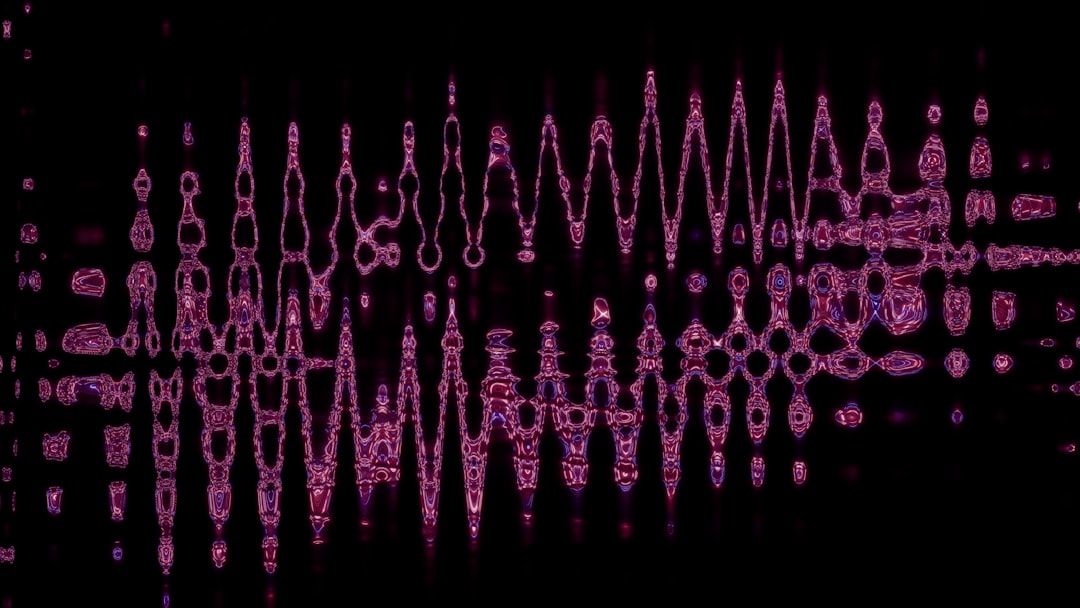
Uncover the psychological triggers and cultural nuances that propel certain audio loops into viral sensations, from expressive vocalizations to dramatic sound effects, and learn how to harness their power.
In the intricate tapestry of digital media, certain audio loops don't just catch on; they embed themselves into the collective consciousness, becoming instant shorthand for a range of emotions and situations. These viral echoes are more than just catchy; they tap into fundamental aspects of human psychology, from surprise and humor to shared cultural experiences. For content strategists, understanding the 'why' behind a sound's virality is as important as knowing the 'how' of its application. This article explores five such audio loops, dissecting their psychological appeal and offering insights into how creators can effectively integrate them to maximize engagement and resonance. We'll examine how sounds like eso tilin and The Rock Stare leverage distinct emotional responses, while others like Extended wheeze laugh provide universal comedic relief. Mastering these sonic triggers is key to crafting content that not only gets noticed but truly sticks with your audience, much like the unforgettable impact of Body Falling to the Ground.
1. eso tilin
About this sound
The 'eso tilin' sound is a vibrant and energetic vocalization, often associated with a viral video featuring a child dancing. Originating from Latin American internet culture, the phrase "eso tilin" translates roughly to "that's it, Tilin!" and is used as an encouraging exclamation. Its virality stems from the infectious energy of the original video and the sound's versatility in expressing excitement, approval, or playful encouragement. It's a sound that instantly brings a sense of joy and lightheartedness, making it a popular choice for creators looking to add a burst of positive energy to their content. It often accompanies celebratory moments, dance trends, or any situation where a lively affirmation is needed, similar to the enthusiastic tone of OLHA A PEDRA! or the playful spirit of xiao ling music lol.
Creators utilize 'eso tilin' to inject an immediate sense of enthusiasm and positive reinforcement into their digital narratives. It's perfect for celebrating small victories, encouraging participation in challenges, or simply adding a cheerful, upbeat atmosphere to a video. The sound's distinct vocal quality and cultural origin make it instantly recognizable and engaging, particularly for audiences familiar with Latin American internet trends. It can be used in reaction videos to express delight, in short skits to punctuate a moment of success, or as background audio for energetic montages. Its ability to evoke a strong positive emotion makes it a powerful tool for increasing viewer engagement and creating a memorable, feel-good experience. This sound is a testament to how cultural expressions can become global meme phenomena, much like the widespread appeal of arabemusic.
- Use for celebrating achievements or positive outcomes.
- Integrate into dance challenges or energetic transitions.
- Employ in reaction videos to express excitement.
- Add to content targeting a Latin American audience for cultural resonance.
A: It's a Spanish phrase roughly translating to "that's it, Tilin!" used as an encouraging exclamation.
A: It's best for lighthearted, celebratory, or comedic content due to its inherently positive and energetic nature.
A: Combine it with unexpected visual contexts or use it to punctuate a unique, personal achievement that resonates with your audience.
About this sound
The 'Extended wheeze laugh' is a universally recognized sound effect that instantly signals extreme amusement or a moment of uncontrollable hilarity. While its exact origin is difficult to pinpoint, it's a common trope in comedic media and has been widely adopted in meme culture to emphasize a particularly funny moment. Its virality stems from its relatable and exaggerated nature; everyone understands the feeling of laughing so hard they wheeze. It's a go-to sound for creators looking to amplify the comedic impact of a scene, to react to absurd situations, or to simply share in a moment of genuine, unbridled laughter. It often accompanies visual gags, unexpected punchlines, or moments of pure internet gold, much like the sudden comedic timing of Smack! or the unexpected humor of Ben saying no.
Creators deploy 'Extended wheeze laugh' to underscore moments of peak hilarity in their digital content. It's an effective way to signal to the audience that a particular joke or situation is exceptionally funny, often prompting a similar reaction from viewers. The sound's exaggerated nature makes it perfect for reaction videos, comedic skits, or compilations of funny internet moments. Its universal appeal transcends language barriers, making it a powerful tool for global content. By using this sound, creators can enhance the emotional impact of their comedic content, ensuring that the humor lands effectively and resonates deeply with their audience. It's a simple yet incredibly effective way to add an auditory exclamation mark to a joke, similar to how Mario - Mamma mía can punctuate a moment of surprise.
- Use to emphasize extremely funny moments or punchlines.
- Integrate into reaction videos for genuine amusement.
- Employ in comedic skits to amplify humorous situations.
- Add to compilations of funny internet clips.
A: Primarily, yes. Its exaggerated nature is almost exclusively associated with comedic effect.
A: Ensure it aligns perfectly with the comedic timing of your visuals, making it feel like an organic reaction rather than an overlay.
A: Short, impactful bursts are often best, but an 'extended' version can work for truly outrageous comedic moments.
About this sound
The 'The Rock Stare' sound is a dramatic, often bass-heavy musical sting that accompanies the iconic intense gaze of Dwayne "The Rock" Johnson. This sound originated from viral videos and memes featuring The Rock's signature eyebrow raise and unwavering stare, often used to convey skepticism, judgment, or a challenge. Its virality is fueled by The Rock's immense popularity and the universal relatability of his expressive facial gestures. It's a powerful sound for creators looking to add a layer of dramatic tension, comedic judgment, or a sense of impending confrontation to their content. It often precedes a moment of realization, a challenge, or a humorous assessment of a situation, much like the build-up in John Cena Are you Ready or the decisive tone of I Am A Man.
Creators utilize 'The Rock Stare' to punctuate moments of skepticism, judgment, or a silent challenge within their digital narratives. It's highly effective in reaction videos where a strong, non-verbal response is needed, or in comedic skits where a character is being silently judged. The sound's dramatic quality instantly shifts the mood of a scene, adding gravitas or ironic humor depending on the context. Its widespread recognition ensures that the emotional intent is immediately understood by a broad audience. By deploying this sound, creators can enhance the impact of their visual storytelling, making moments of silent communication more powerful and engaging. It's a masterclass in using a simple audio cue to convey complex emotions, similar to the subtle yet impactful presence of Chill Guy By Mango.
- Use for moments of skepticism or silent judgment.
- Integrate into reaction videos for a powerful non-verbal response.
- Employ in comedic skits for ironic confrontation.
- Add to content building anticipation or dramatic tension.
A: No, it's frequently used for comedic effect, especially when paired with absurd or unexpected visuals.
A: Combine it with a slow-motion visual of the 'stare' itself, or a sudden cut to a character's reaction to being stared at.
A: Reaction videos, comedic skits, and content that requires a strong, non-verbal emotional beat.
About this sound
The 'Chill Guy By Mango' sound is a variation or reinterpretation of the popular 'Chill Guy' meme, likely created by a user named 'Mango.' This iteration carries the same core comedic essence of nonchalant composure in the face of adversity, but with a potentially unique vocal delivery or subtle audio nuances that distinguish it from other versions. Its virality, like its predecessor, stems from the ironic humor of someone claiming to be relaxed despite chaotic circumstances. It appeals to creators who appreciate a specific stylistic take on a well-known meme, offering a fresh yet familiar auditory experience. It's a testament to how meme sounds evolve and get remixed within the digital ecosystem, much like the various interpretations of @Cartel_Dealer -> Chill Guy or the distinct vocalizations of jynxzi.
Creators leverage 'Chill Guy By Mango' to add a specific flavor of ironic calm to their digital content. It's ideal for moments where a character is attempting to maintain a facade of coolness, or when a situation is unexpectedly under control despite appearances. The sound's subtle differences from other 'Chill Guy' versions can appeal to a niche audience that appreciates the specific 'Mango' rendition, fostering a deeper connection with their content. It can be used in reaction videos, short skits, or as a humorous commentary on one's own relaxed demeanor in a stressful situation. Its effectiveness lies in its ability to create a relatable scenario where appearances are deceiving, resonating with viewers who appreciate nuanced comedic timing. This sound highlights the importance of variations in meme culture, similar to how different versions of Mario - Mamma mía can exist.
- Apply to videos depicting calm reactions to chaos.
- Use in satirical content about feigned composure.
- Integrate into reaction videos for a humorous contrast.
- Employ as a self-deprecating commentary on personal stress.
A: It's likely a specific vocal performance or audio mix, offering a unique stylistic take on the popular meme.
A: Yes, the core comedic premise is universal, so it will still resonate even without knowledge of the specific creator.
A: Look for situations where a character's understated calm creates a humorous contrast with the surrounding environment or events.
About this sound
The 'Body Falling to the Ground' sound effect is a classic, impactful audio cue used to signify a sudden collapse, defeat, or dramatic end. Its origin is rooted in countless films, video games, and theatrical productions where a character's demise or incapacitation needs to be audibly emphasized. Its virality in meme culture stems from its ability to instantly convey a sense of finality or comedic failure, often used in exaggerated contexts. It's a versatile sound for creators looking to punctuate moments of defeat, unexpected collapses, or humorous "game over" scenarios. It often accompanies visual gags where someone trips, faints, or is comically knocked out, much like the sharp impact of Smack! or the sudden realization implied by peggyx_screech_held_back1.
Creators utilize 'Body Falling to the Ground' to add a dramatic or comedic emphasis to moments of collapse or defeat in their digital content. It's highly effective in reaction videos where a character is overwhelmed, in short skits where someone comically faints, or in gaming content to mark a player's defeat. The sound's clear, impactful nature ensures that its message is immediately understood, creating a strong emotional response from the audience. Its widespread recognition makes it a powerful tool for quick, impactful storytelling, capable of shifting the tone of a scene in an instant. By deploying this sound, creators can enhance the visual impact of their content, making moments of physical comedy or dramatic failure more memorable and engaging. This sound is a staple in the sound effects arsenal, similar to the utility of Minecraft portal for transitions.
- Use to punctuate moments of defeat or collapse.
- Integrate into comedic skits for exaggerated falls.
- Employ in gaming content to mark a player's defeat.
- Add to reaction videos for an overwhelmed response.
A: No, it can be used metaphorically for moments of emotional collapse or comedic surrender.
A: Combine it with slow-motion visuals and a sudden cut to black or a dramatic freeze-frame.
A: Pair it with an unexpected or trivial reason for the fall, creating an ironic contrast that amplifies the comedy.