Votre table de mixage
 Accueil
 Nouveau
 Sujets
 Tendance
 Le plus populaire
 Anime et Manga
 Jeux
Jeux Mèmes
Mèmes Films
Films Musique
 Politique
 Farces
 Réactions
 Effets sonores
 Sports
 Télévision
 Tendances TikTok
 Viral
Viral Audios WhatsApp
 Conditions d'utilisation
 Politique de confidentialité
 Politique de droits d'auteur DMCA
 Nous contacter
 À propos de nous
Gaming Sounds and Their Crossover Appeal in Viral Content

Discover how iconic gaming sounds transcend their original titles to become viral memes, driving engagement across all digital platforms.
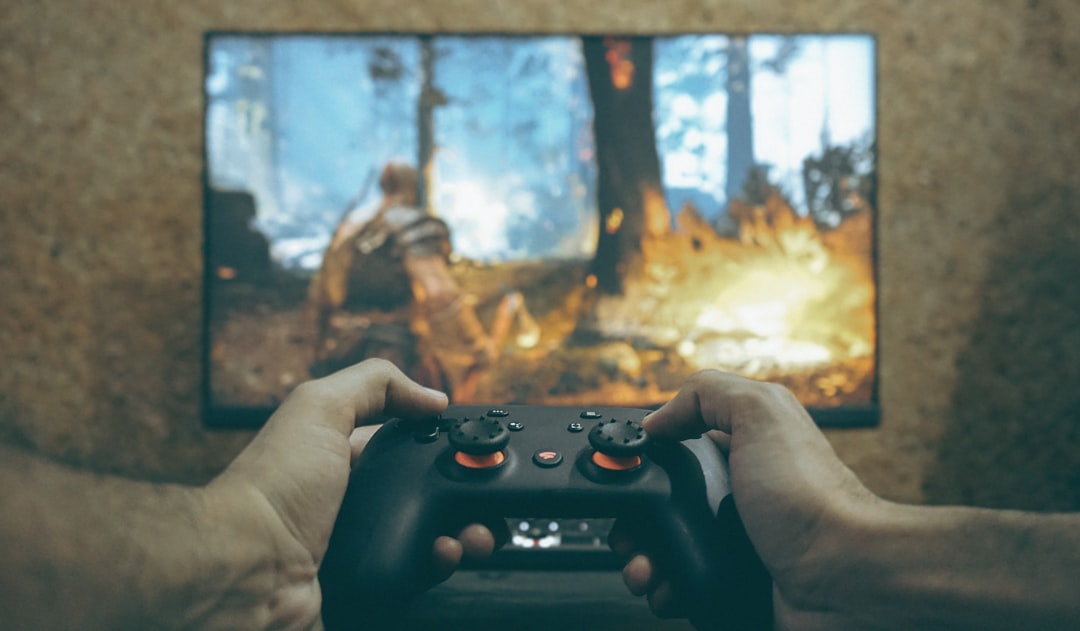
Gaming has long been a fertile ground for viral content, and its sound design is no exception. Beyond the immersive experience they create within their original titles, many gaming sounds possess a unique quality that allows them to transcend their origins and become iconic memes. These audio snippets, whether character voices, victory fanfares, or dramatic sound effects, tap into a collective nostalgia and a universal language of challenge and triumph. For digital strategists, understanding how these sounds resonate is key to crafting content that captures the attention of a broad audience. This article explores five such gaming sounds, dissecting their journey from game to viral sensation and offering insights into their algorithmic power.
About this sound
The "(Horror Mode.) Pinki Sprunki" sound is a fascinating example of how game-specific audio can take on a life of its own in meme culture. Originating from the game Incredibox, this sound, with its eerie and slightly unsettling vocalization, is often used to signify a sudden shift into a darker, more intense, or comically exaggerated 'horror mode'. Its virality stems from its distinct character and its ability to instantly change the mood of a video, making it perfect for ironic jump scares or dramatic reveals. It often pairs well with other suspenseful sounds like My horror sound or the dramatic build-up of ömrüm bozo.
Creators deploy "(Horror Mode.) Pinki Sprunki" to introduce a sudden, unsettling atmosphere or to comically exaggerate a moment of tension. It's particularly effective in short-form videos where a quick audio cue can transform a lighthearted scene into something eerie or absurd. The sound's unique vocal quality makes it instantly recognizable, drawing viewers into the implied narrative of a 'horror mode' activation. It's a go-to for gaming memes, reaction videos, or any content where a touch of spooky, yet often humorous, drama is desired. Its power lies in its ability to create a strong emotional response, whether genuine fright or comedic surprise, ensuring high engagement and shareability.
- Signaling a sudden shift into a darker or more intense mood.
- Creating a comedic jump scare or an ironic horror moment.
- Introducing a 'boss battle' or a challenging segment in gameplay.
- Punctuation for a dramatic reveal of a spooky character or object.
A: It originates from the musical game Incredibox, where players create music by combining different vocalizations and beats.
A: It's excellent for ironically exaggerating minor inconveniences or silly situations into 'horror mode' scenarios, similar to the dramatic irony of Oh no (A).
A: Many horror game sound effects, like those from FNAF Chica Voice UNC, are used to create suspense or jump scares, often crossing over into meme culture.
About this sound
The "fnaf chica voice UNC" sound is a chilling and instantly recognizable vocal snippet from the popular horror game series, Five Nights at Freddy's. This sound, associated with the animatronic character Chica, evokes a sense of dread, impending danger, and the unique terror of the FNAF universe. Its virality stems from the game's massive fanbase and the sound's effectiveness in creating jump scares and unsettling atmospheres. It taps into the collective memory of horror game enthusiasts, making it a powerful tool for creators looking to inject a dose of genuine fright or ironic terror into their content, often paired with other spooky sounds like My horror sound or the dramatic tension of Horror Mode Pinki Sprunki.
Creators deploy "fnaf chica voice UNC" to instantly create a horror-themed atmosphere, deliver a jump scare, or to reference the iconic FNAF series. It's particularly effective in short-form videos that involve spooky content, gaming reactions, or ironic takes on horror tropes. The sound's distorted, unsettling vocal quality makes it highly impactful, capable of eliciting a strong emotional response from viewers. It's a go-to for fan-made content, challenge videos, or any scenario where a touch of genuine fright or comedic terror is desired. Its power lies in its ability to tap into established fan lore, ensuring high engagement from a dedicated audience and effectively communicating a sense of danger.
- Creating a jump scare in a horror-themed video or skit.
- Referencing the Five Nights at Freddy's game series.
- Adding an unsettling atmosphere to a mysterious narrative.
- Punctuation for a dramatic reveal of a scary character.
A: It comes from the popular horror video game series, Five Nights at Freddy's, specifically associated with the character Chica.
A: It can be used to exaggerate a minor inconvenience into a terrifying event, creating comedic contrast, similar to the over-the-top drama of Shadow Wizard Money Gang.
A: Many sounds from the FNAF series, including other animatronic noises and jump scare effects, are highly popular in meme culture due to the game's iconic status, much like the distinct sounds of Firework from Bad Piggies.
About this sound
The "Jay you gotta move" sound is a direct, urgent vocal command that has found its niche in meme culture as a call to action or a warning. Its virality stems from its clear, no-nonsense delivery and its ability to punctuate moments where quick action is required or a character needs to be prompted. This sound taps into the universal experience of being hurried or warned, making it highly relatable and effective in comedic and action-oriented content. It often pairs well with other direct vocal memes like Shut up verity or the more contemplative unmm, showcasing a range of human interaction and urgency.
Creators deploy "Jay you gotta move" to add a sense of urgency, a comedic warning, or a direct command to their content. It's particularly effective in short-form videos that involve fast-paced action, challenge videos, or any scenario where a character needs to react quickly. The sound's clear, imperative tone makes it instantly understood, driving the narrative forward and creating a sense of immediacy. It's a go-to for gaming clips where a player needs to dodge or escape, or for comedic skits where a character is oblivious to impending danger. Its power lies in its ability to create a strong sense of momentum, ensuring high engagement and a clear call for action from the viewer.
- Prompting a character to take immediate action in a skit.
- Adding urgency to a fast-paced gaming clip or montage.
- Creating a comedic warning for an impending, minor disaster.
- Punctuation for a quick transition or a sudden change of scene.
A: Its urgent, direct command instantly conveys a need for quick action, adding tension and driving the narrative.
A: Yes, using it to hurry a character for a trivial task or a non-urgent situation can create humorous irony, similar to the dry wit of 1500 es hora y media.
A: Many short, imperative vocal snippets gain traction in memes for their directness and versatility as calls to action or warnings, much like the directness of Come here verity.
4. ömrüm bozo
About this sound
The "ömrüm bozo" sound, a phrase likely originating from Turkish-speaking internet culture, carries a distinct, often melancholic or exasperated tone. Its viral appeal stems from its unique linguistic flavor and its ability to convey a sense of resignation, disappointment, or a dramatic realization of a 'bozo' moment (a foolish or clumsy act). This sound taps into the universal experience of regret or self-deprecating humor, making it highly relatable and versatile. It often pairs well with other sounds that express frustration or a sense of doom, such as Oh no (A) or the dramatic tension of My horror sound.
Creators deploy "ömrüm bozo" to punctuate moments of comedic failure, dramatic disappointment, or a character's self-deprecating realization of their own foolishness. It's particularly effective in short-form videos that highlight relatable blunders, gaming fails, or any scenario where a touch of resigned despair or ironic regret is desired. The sound's unique vocal quality and foreign language aspect add an intriguing layer that captures attention, making it stand out in a crowded feed. Its power lies in its ability to create a strong emotional connection through shared experiences of imperfection, ensuring high engagement and shareability, especially in content that embraces human error.
- Punctuation for a character's comedic failure or blunder.
- Adding a touch of self-deprecating humor to a relatable mistake.
- Highlighting a moment of dramatic disappointment or resignation.
- Creating an ironic commentary on a foolish act in gameplay.
A: It primarily conveys resignation, disappointment, self-deprecating humor, and a sense of a 'bozo' moment or foolishness.
A: The unfamiliarity adds an intriguing, often humorous, layer that makes the sound stand out and encourages curiosity, similar to the unique appeal of шоумен помадка.
A: While often comedic, its underlying tone of resignation can be used in more serious contexts to convey genuine disappointment or a sense of loss, much like the subtle melancholy in some random weird music.
5. todfdijknwq
About this sound
The "todfdijknwq" sound, with its seemingly nonsensical title, is a prime example of an abstract sound effect that gains viral traction through its unique sonic signature and versatile application. Often characterized by a distorted, glitchy, or otherwise unusual audio texture, its appeal lies in its ability to create a sense of confusion, disruption, or an otherworldly presence. This sound taps into the internet's love for the bizarre and the unexpected, making it a powerful tool for creators looking to inject a dose of surrealism or chaotic energy into their content. Its virality is often driven by its distinctiveness, much like the enigmatic nature of random weird music or the sudden impact of a Glass Break SFX.
Creators deploy "todfdijknwq" to punctuate moments of glitching visuals, surreal transitions, or to add an unsettling, otherworldly atmosphere to their videos. It's particularly effective in short-form content where a quick, unusual audio cue can instantly grab attention and pique curiosity. The sound's abstract nature allows it to be interpreted in various ways, making it adaptable to a wide range of comedic, artistic, or even subtly unsettling contexts. It's a go-to for experimental edits, abstract art memes, or any content where a departure from conventional sound design is desired. Its power lies in its ability to create a strong, memorable impression through its sheer uniqueness, ensuring high engagement and shareability.
- Emphasizing visual glitches or digital distortions.
- Creating a surreal or otherworldly transition between scenes.
- Adding an unsettling atmosphere to a mysterious narrative.
- Punctuation for an unexpected, chaotic event in a video.
A: It's ideal for content involving glitches, surrealism, abstract art, or anything that aims for a disruptive or otherworldly atmosphere.
A: Its open-ended interpretation and unique sonic signature make it intriguing and versatile, encouraging creative applications, similar to the enigmatic appeal of Tazzz.
A: Yes, its unsettling and disruptive qualities can effectively build tension, especially when paired with suspenseful visuals, much like the effect of Horror Mode Pinki Sprunki.