Mots-clés associés

À propos de ce son

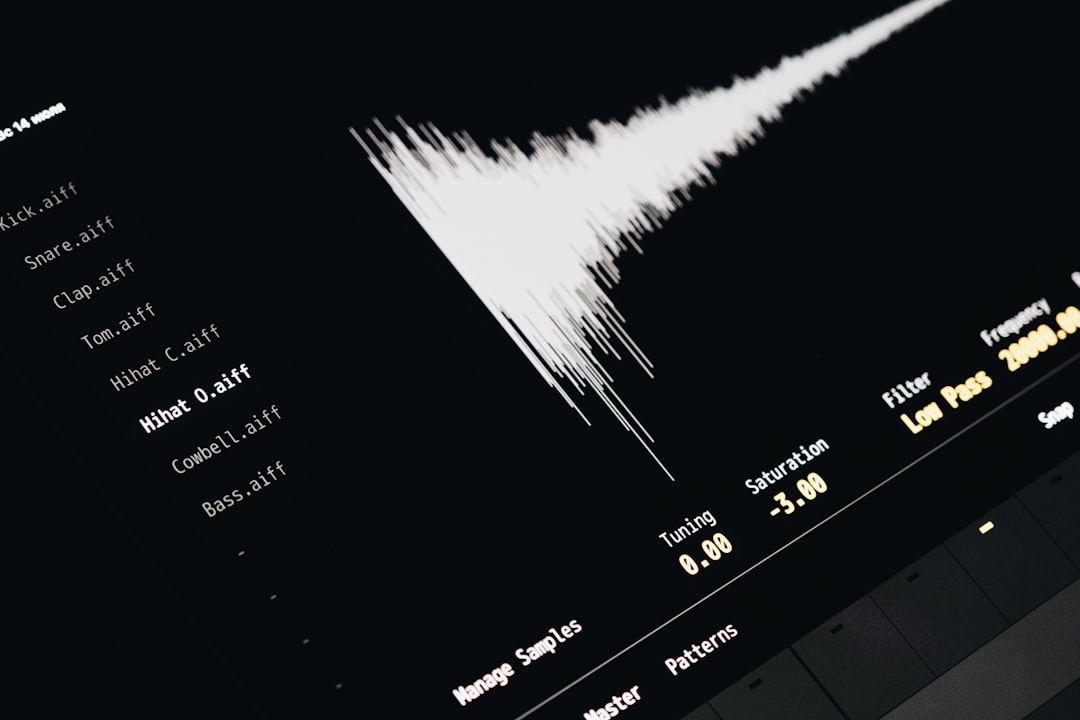
A brief voice clip shouting the Taiwanese Hokkien insult “gan ni niang,” used in memes, gaming edits, and reaction videos to express sudden anger.

This short clip features a forceful shout of “gan ni niang,” a highly offensive Taiwanese Hokkien insult directed at someone’s mother. The drawn-out final syllable gives the outburst an exaggerated, theatrical quality rather than the rhythm of ordinary conversation. Lasting just over a second, it delivers an immediate burst of anger that can make a failed attempt, unfair result, or surprising setback feel more dramatic. Because the language is explicit and insulting, the audio creates a deliberately rude, confrontational reaction and is unsuitable for family-friendly edits.

“Gan ni niang” is a romanized rendering of 幹你娘, a vulgar insult associated with Taiwanese Hokkien speech. This particular recording does not have a confirmed performer, production, platform, or release year. Short versions of the phrase circulate online as angry reaction audio because the meaning is instantly confrontational and the compact delivery fits abrupt cuts. It remains useful in meme edits, gaming clips, and private message reactions where creators want an intense outburst without adding a longer spoken rant.

Conseil professionnel d'utilisation

Place the shout immediately after a game loss, broken object, or sudden betrayal, then cut to silence or a frozen reaction frame. Avoid layering it under dialogue, and censor it when posting for audiences that may not expect strong profanity.

Cas d'utilisation

  • Reacting to an unexpected loss in a gaming montage.
  • Punctuating a frustrating mistake in a comedy edit.
  • Adding exaggerated anger after an unfair result appears.
  • Censoring the phrase for a mock rage reaction.

Questions fréquemment posées

What does gan ni niang mean?
“Gan ni niang” is a romanized form of 幹你娘, an extremely vulgar Taiwanese Hokkien insult aimed at someone’s mother. It is comparable to a forceful English profanity and should not be used in polite or family-friendly settings.
Where does this gan ni niang sound come from?
The clip’s original speaker and recording source are not confirmed. It features a brief shouted version of a well-known Taiwanese Hokkien profanity, commonly reused online as an angry reaction rather than as a quotation tied to a verified film or program.
How is the gan ni niang audio used in edits?
Creators usually place it directly after a game defeat, failed stunt, sudden betrayal, or frustrating reveal. Its short duration works best as a sharp punchline, especially when followed by silence, a freeze-frame, or a censored visual reaction.

Le plus populaire

Voir tout