Tu tablero de sonido
 Inicio
 Nuevo
Nuevo Temas
Temas Tendencias
 Más popular
 Anime y Manga
 Juegos
 Memes
Memes Películas
 Música
 Política
 Bromas
 Reacciones
 Efectos de sonido
 Deportes
 Televisión
 Tendencias de TikTok
 Viral
Viral Audios de Whatsapp
 Términos de uso
 Política de privacidad
 Política de derechos de autor DMCA
 Contáctenos
 Sobre nosotros
The Emotional Resonance of Memes: Decoding the 'SpongeBob Sad' Phenomenon
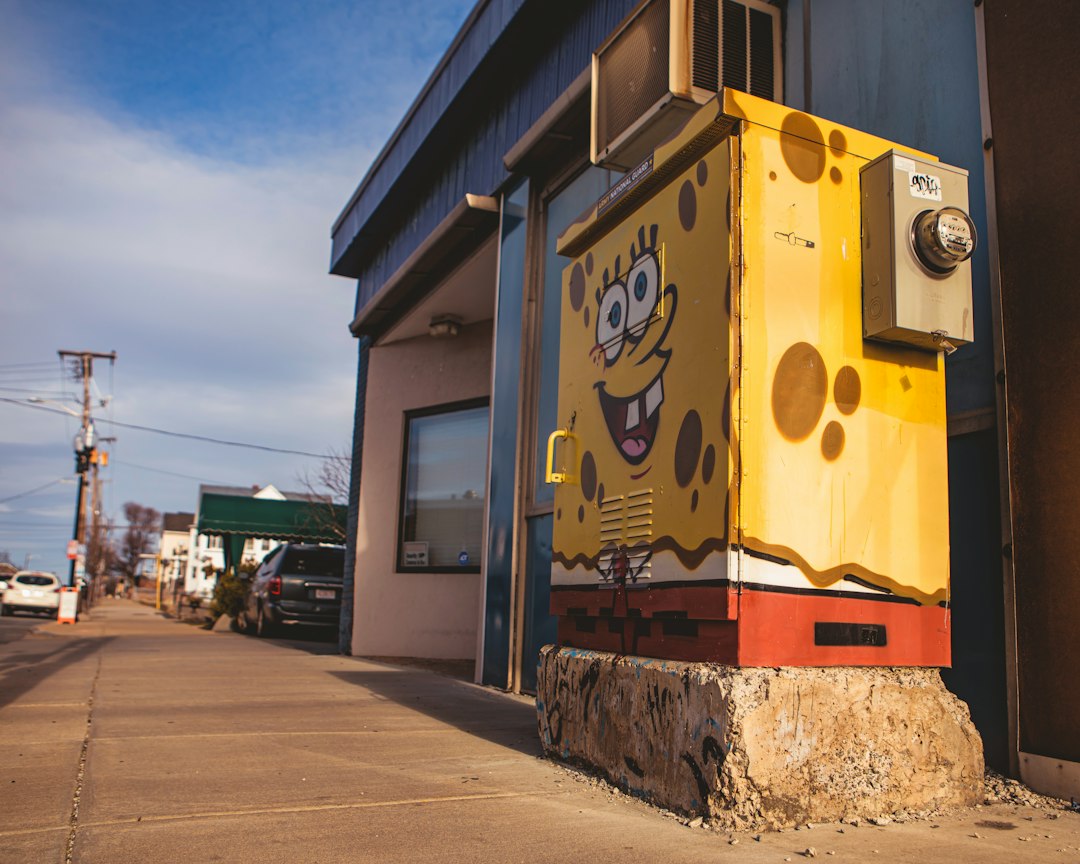
Explore the widespread appeal of the 'SpongeBob Sad' sound in meme culture. This article analyzes its comedic and emotional versatility, offering creators insights into using this iconic sound to connect with audiences through shared experiences of relatable disappointment.
In the vast ocean of internet memes, certain sounds rise to the surface and become universally understood emotional shorthand. The 'SpongeBob Sad' sound is a prime example, a melancholic yet often humorous musical cue that has become synonymous with relatable disappointment and comedic despair. From minor inconveniences to exaggerated failures, this iconic audio snippet from SpongeBob SquarePants has found its way into countless viral videos, resonating deeply with audiences across platforms. But what makes this particular sound so effective at conveying a spectrum of 'sad but funny' emotions, and how can digital strategists and content creators harness its established cultural power? This article dives into the phenomenon of 'SpongeBob Sad', dissecting its psychological triggers and offering actionable strategies for integrating this beloved meme sound into your digital content. We'll explore how it functions as a powerful tool for emotional connection, much like the universally recognized 'Sad Trombone' sound or the empathetic sigh of the 'Oof' Roblox sound.
About this sound
The 'SpongeBob Sad' sound is an instantly recognizable audio clip featuring a melancholic, often exaggerated, musical cue from the beloved animated series, SpongeBob SquarePants. This sound has become a cornerstone of internet meme culture, used to convey feelings of disappointment, sadness, or dramatic irony in a lighthearted manner. Its distinct, almost whiny melody immediately signals a moment of emotional downturn, making it a perfect fit for relatable content about minor setbacks or comedic failures. It often appears alongside other expressive cartoon sounds like the 'Sad Violin' meme or the 'Crying Baby' sound effect to amplify a sense of mock tragedy.
Digital creators leverage the 'SpongeBob Sad' sound to add a layer of emotional depth, albeit a humorous one, to their content. It's particularly effective in reaction videos, skits, and short-form narratives where a character experiences a minor inconvenience or a relatable moment of despair. The sound's cultural ubiquity means that audiences instantly understand the intended emotion, allowing for quick comedic payoffs. It's a powerful tool for creators aiming to connect with viewers through shared experiences of 'oof' moments, much like the universal understanding of the 'Bruh' sound effect or the classic 'Wilhelm Scream' for dramatic falls. Its versatility allows it to be used both genuinely and ironically.
- Highlighting a relatable moment of minor failure or disappointment.
- Adding a comedic touch to a character's exaggerated sadness.
- Punctuation for a 'fail' compilation or reaction video.
- Creating dramatic irony in a skit or short narrative.
A: It's a melancholic, often exaggerated, musical cue from the SpongeBob SquarePants animated series, widely used in memes to express disappointment or ironic sadness.
A: Its distinct melody and association with a beloved cartoon make it instantly recognizable and effective for conveying relatable feelings of minor setbacks or comedic despair.
A: Creators use it to punctuate moments of comedic failure, add dramatic irony, or enhance reaction videos, often paired with visual cues like zooms or freeze-frames.
About this sound
TheFatRat's 'Xenogenesis' has become a global phenomenon, recognized as the definitive outro music for countless viral videos. Its upbeat electronic melody and energetic drop provide a sense of triumphant finality, making it perfect for concluding gaming montages, comedic reveals, and successful challenges. The sound's widespread use has ingrained it into the collective digital consciousness, signaling a satisfying end to a piece of content. It shares a similar universal recognition with other iconic closing sounds like the 'Curb Your Enthusiasm' theme for awkward exits or the 'Mission Accomplished' sound for successful feats.
Creators strategically deploy 'Xenogenesis' to leave viewers with a positive and memorable impression. Its energetic rhythm encourages re-engagement and sharing, as the audience associates the sound with a successful outcome. This sound is particularly effective on platforms like TikTok and Reels, where short, impactful audio cues are crucial for capturing attention and driving virality. By leveraging its established cultural context, creators can instantly elevate the perceived production value and emotional resonance of their video endings. It's a powerful tool for crafting a strong brand identity through consistent and recognizable audio branding, much like the distinct intro music of a popular streamer or the signature sound of a 'YouTube Subscribe Bell'.
- Creating a triumphant end to a gaming highlight reel.
- Punctuation for a successful DIY project reveal.
- Adding a nostalgic touch to a compilation of internet trends.
- Signaling the conclusion of a comedic skit or challenge.
A: It's a clip from the electronic track 'Xenogenesis' by TheFatRat, which gained massive popularity as outro music across various online video platforms.
A: Its upbeat and conclusive nature leaves a positive impression, encouraging viewers to rewatch or share the content, thus boosting retention and engagement.
A: While versatile, it's most effective for content with a positive or triumphant conclusion. Its strong melody can overpower dialogue, so it's best for visual-heavy endings.
About this sound
This clip features a Vietnamese voice repeatedly calling out “Bánh bao, bánh bao đây,” a phrase announcing that steamed buns are available here. The delivery resembles a street vendor attracting nearby customers, with a clear, drawn-out rhythm that makes the call easy to recognize. Its everyday sales-pitch energy can make a scene feel lively, local, or unexpectedly funny. In edits, the voice works especially well when food appears on screen, someone carries a tray into view, or a quiet moment is interrupted by an enthusiastic offer of bánh bao. It evokes the bustling atmosphere of a market, similar to the ambient chatter in the 'Busy Market' sound effect or the distinct calls in the 'Ice Cream Truck Jingle'.
The "Bánh Bao, Bánh Bao Đây" sound is a masterclass in cultural immersion through audio. Its repetitive, rhythmic call immediately transports the listener to a vibrant street food scene, making it perfect for content that aims to evoke authenticity or a sense of place. Digital creators use it to add a touch of unexpected humor, to introduce a food-related segment, or to create a sudden, attention-grabbing shift in mood. The sound's clear enunciation and distinct cultural origin make it highly effective for niche content that resonates with specific audiences, much like the regional charm of the 'Italian Chef Kiss' sound or the distinct accent in the 'British Tea Time' sound. It's a powerful tool for creating a sense of immediate connection and relatability.
- Revealing homemade steamed buns in a cooking video.
- Introducing a street vendor during a neighborhood scene.
- Interrupting a serious moment with an unexpected food offer.
- Showing someone arriving with snacks for the whole group.
A: The Vietnamese phrase means that bánh bao, or steamed buns, are available here. It sounds like a seller calling out to nearby customers and announcing the food being offered.
A: The original speaker, date, and recording source are not confirmed. The audio is presented as a Vietnamese vendor-style call, rather than a reliably identified line from a particular movie, television show, or character.
A: Creators commonly place it over food reveals, street scenes, snack deliveries, or comedic interruptions. Its repeated vendor call works best when bánh bao appears on screen or someone enters carrying food.
About this sound
The 'Spin Commotion' sound effect is a classic cartoon staple, instantly recognizable for its rapid, swirling audio that signifies dizzying movement or chaotic action. Often associated with vintage Hanna-Barbera animations, this sound evokes a sense of frantic energy, a character spinning out of control, or a whirlwind of activity. It's a versatile sound that can inject immediate humor or heightened drama into a scene, much like the exaggerated impact of a 'Boing' cartoon sound or the sudden surprise of a 'Whoosh' transition sound. Its timeless quality ensures it remains relevant in modern meme culture, bridging generations of animated comedy.
Digital creators frequently deploy the 'Spin Commotion' sound to amplify visual gags, particularly those involving rapid rotation, confusion, or a character being overwhelmed. Whether it's a pet chasing its tail, a person comically flailing, or an object spinning unexpectedly, this sound effect provides the perfect auditory accompaniment. It's excellent for short-form content on platforms like TikTok and Reels, where quick, impactful audio cues are key to engagement. The sound's ability to convey immediate chaos or lighthearted dizziness makes it a go-to for creators looking to add a touch of classic cartoon charm to their modern edits, similar to the comedic timing of a 'Slide Whistle Fail' or the dramatic flair of a 'Gong Hit' sound.
- Accompanying a character's dizzy spell or rapid rotation.
- Highlighting a chaotic scene or object spinning out of control.
- Adding a humorous touch to a pet's frantic movements.
- Emphasizing a sudden, unexpected turn of events in a video.
A: It's a classic cartoon sound effect characterized by a rapid, swirling audio, typically used to denote dizzying movement, spinning, or chaotic action.
A: It's frequently heard in older animated cartoons, particularly those from studios like Hanna-Barbera, making it a nostalgic sound for many viewers.
A: Creators can use it to enhance visual gags involving spinning or confusion, adding humor and energy to short-form videos and meme edits.
About this sound
The 'Risada do Kiko' sound, specifically the 'Half Clean Version', captures the distinctive, high-pitched, and often mischievous laugh of Kiko (Quico in Spanish), a beloved character from the iconic Latin American sitcom 'El Chavo del 8' ('Chaves' in Brazil). This laugh is instantly recognizable to millions and carries a strong sense of nostalgia and playful mischief. It's used to punctuate moments of childish glee, teasing, or when someone is getting away with something cheeky. Its unique timbre makes it stand out, much like the iconic 'Woody Woodpecker laugh' or the distinctive chuckle of the 'Evil Minion laugh', making it a powerful tool for evoking specific emotions and cultural references.
Digital creators frequently employ the 'Risada do Kiko' to inject a dose of playful humor and cultural familiarity into their content. It's particularly effective in short comedic skits, reaction videos, or any scenario where a character exhibits a mischievous or overly confident demeanor. The 'Half Clean Version' ensures the laugh is clear and impactful, making it suitable for quick cuts and punchlines on platforms like TikTok and Reels. Its ability to convey a sense of 'I told you so' or 'I got away with it' makes it a versatile sound for creators looking to add a layer of lighthearted antagonism or triumphant childishness, akin to the smugness conveyed by the 'Nelson Haha' sound or the playful taunt of the 'You Just Got Vectored' meme.
- Punctuation for a successful prank or mischievous act.
- Adding a playful, teasing element to a reaction video.
- Highlighting a character's smug or overly confident moment.
- Injecting cultural nostalgia into content for Latin American audiences.
A: Kiko (Quico) is a character from the popular Latin American sitcom 'El Chavo del 8'. His distinctive, high-pitched laugh is famous for its playful and mischievous quality.
A: It primarily conveys childish glee, playful teasing, mischievousness, or a sense of getting away with something cheeky.
A: Creators use it in comedic skits, reaction videos, or any content where a character exhibits playful confidence or pulls off a prank, especially for audiences familiar with 'El Chavo del 8'.