Dein Soundboard
 Startseite
 Neu hinzugefügt
 Themen
 Trends
 Am beliebtesten
 Anime & Manga
 Spiele
 Memes
Memes Filme
Filme Musik
Musik Politik
 Streiche
 Reaktionen
 Soundeffekte
 Sport
Sport Fernsehen
 TikTok-Trends
 Viral
Viral WhatsApp-Audios
 Nutzungsbedingungen
 Datenschutzrichtlinie
 DMCA-Urheberrechtsrichtlinie
 Kontakt
 Über uns
The Nuances of Digital Discourse: Political Sounds and Their Impact
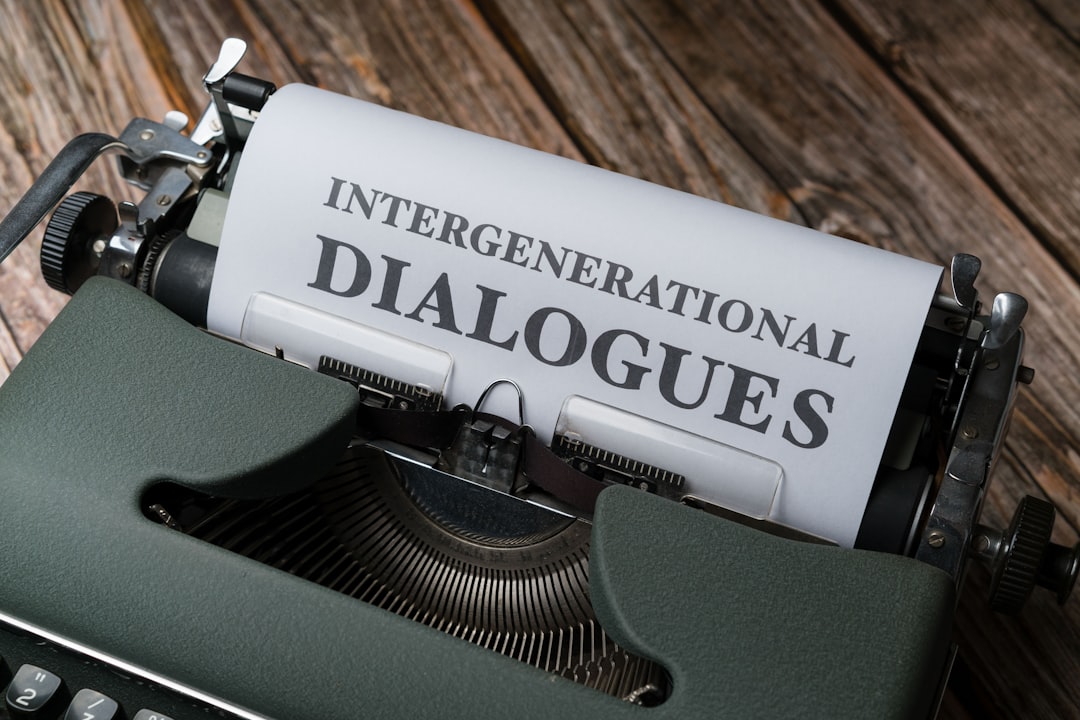
Examine five influential political meme sounds, exploring their origins, contexts, and psychological impact. Learn how digital creators use these audio clips for commentary, humor, and engagement in online discourse.
Political discourse in the digital age is often distilled into potent, shareable sound bites. These viral audio clips, frequently associated with public figures, become powerful tools for expressing a range of sentiments from sharp criticism to ironic detachment. This article examines five influential political meme sounds, exploring their origins, the specific contexts in which they thrive, and their psychological impact on audiences. For digital creators, understanding how these sounds function within soundboard culture is crucial for crafting algorithm-optimized editorial writing and generating high-retention content. Learn to navigate the nuanced world of political audio memes to create impactful and culturally aware content that resonates with your target audience on platforms like TikTok and Reels.
About this sound
This is a very short Indonesian voice clip built around the word “anjing” and the name Prabowo. The abrupt delivery makes it sound like a heated insult or startled outburst rather than a complete statement. Because the audio lasts less than a second, it lands quickly without interrupting the pace of an edit. Viewers familiar with Indonesian slang will recognize the aggressive or mocking tone immediately, while the political reference gives it extra context for satire. It works best as a sudden reaction beat in fast memes and argumentative video cuts. For a deeper dive into related viral audio, explore Prabowo uang gak ada and the distinct impact of Prabowo - Sodara sodara.
The "Anjing Prabowo" audio clip is a sharp, impactful meme sound for digital creators looking to inject a sudden, insulting outburst or mocking reaction into their content. This brief Indonesian voice clip, combining a profanity with the name Prabowo, delivers its punchline almost instantly. On platforms like TikTok and Reels, its subsecond length makes it perfect for quick cuts, freeze-frames, or punctuating heated debate moments. Creators leverage its aggressive tone for political satire, failed predictions, or to add a raw, confrontational edge to their edits. Its viral appeal lies in its immediate, unmistakable expression of strong negative sentiment. For similar viral content, consider Prabowo uang gak ada.
- Interrupting a political edit with an abrupt insulting reaction.
- Punching up a failed prediction about Prabowo.
- Adding Indonesian slang to a heated meme exchange.
- Ending a short debate clip on a mocking beat.
A: It is a short Indonesian voice clip labeled with the word “anjing” and the name Prabowo. The audio functions as an abrupt insult or mocking reaction in political memes and fast video edits.
A: In Indonesian, “anjing” literally means “dog,” but it is also commonly used as a harsh insult or exclamation. In this clip, its tone is best understood as profane and confrontational.
A: Creators typically place it after a political claim, mistake, awkward statement or mention of Prabowo. Its subsecond length makes it suitable for quick zooms, freeze-frames and sudden reaction cuts.
About this sound
This short Indonesian voice clip centers on the phrase “uang gak ada,” meaning there is no money. Associated with Prabowo in political meme culture, its blunt delivery makes financial disappointment sound immediate and comedic. Creators use the audio as a punchline when a budget disappears, a purchase is unaffordable, or someone asks for cash that simply is not available. The brief runtime lets the statement land quickly without interrupting a video’s pace, while the recognizable wording gives Indonesian viewers an instant setup for jokes about being broke. For a deeper dive into related viral audio, explore Prabowo - Sodara sodara and the distinct impact of Prabowo_Emang Gue Pikirin.
The "Prabowo uang gak ada" sound is a blunt, comedic reaction perfect for digital content creators facing budget woes or unexpected expenses. This Indonesian voice clip, meaning "there is no money," delivers immediate financial disappointment with a humorous edge. Popular on platforms like TikTok and Reels, it serves as an instant punchline for videos about unaffordable purchases, depleted budgets, or humorous refusals to lend cash. Its brief runtime ensures a quick impact, making it ideal for fast-paced meme edits. The sound's viral appeal stems from its relatable theme of being broke, resonating widely with audiences. For similar viral content, consider anjing - prabowo.
- Reacting to an unexpectedly expensive restaurant or shopping bill.
- Ending a skit about friends asking to borrow cash.
- Captioning a project after its budget has been exhausted.
- Responding to unrealistic promises in political meme edits.
A: “Uang gak ada” is an informal Indonesian expression meaning “there is no money” or “we have no money.” In memes, the phrase usually serves as a blunt response to expensive plans, requests for cash, or empty-budget situations.
A: The clip is labeled and shared online as a Prabowo sound, but the available information does not establish its original recording context. It is safest to describe it as an audio meme associated with Prabowo rather than claim a specific speech or event.
A: Creators usually place it after showing a high price, depleted account balance, costly proposal, or request to borrow money. The short phrase provides an immediate comedic refusal and works especially well with Indonesian captions or reaction edits.
About this sound
This short voice clip captures Prabowo delivering the repeated Indonesian address “sodara-sodara,” a colloquial pronunciation of “saudara-saudara.” His firm, deliberate delivery gives the phrase the cadence of a formal public speech while making it easy to reuse as a humorous interruption or attention-grabbing opener. The repetition creates a recognizable rhythm that can make an ordinary scene feel like the beginning of an important announcement. In edits, it works especially well when the visual suddenly cuts to a podium, an audience, or someone preparing to make a serious point. For a deeper dive into related viral audio, explore Prabowo_Emang Gue Pikirin and the distinct impact of Prabowo when ya.
The "Sodara sodara" sound, an emphatic address from Indonesian political figure Prabowo Subianto, instantly commands attention in digital content. Creators use its firm, repetitive delivery to establish mock seriousness or dramatic anticipation on platforms like TikTok and Reels. This audio cue is perfect for viral introductions, comedic interruptions, or building up to a punchline. It transforms ordinary footage into a shareable meme, leveraging its recognizable political context for audience engagement. Pair it with visual gags or text overlays to amplify its comedic or dramatic effect. For similar viral content, consider anjing - prabowo.
- Opening a parody speech with an exaggerated formal tone.
- Introducing a group chat announcement in a meme edit.
- Interrupting casual footage before an unexpectedly serious message.
- Adding political humor to a podium or crowd scene.
A: Prabowo says “sodara-sodara,” an informal phonetic spelling of the Indonesian phrase “saudara-saudara.” It is a plural form of address comparable to “brothers and sisters,” “friends,” or “ladies and gentlemen,” depending on context.
A: The speaker is identified as Prabowo Subianto, an Indonesian political figure known for speeches and campaign appearances. The available information does not establish the exact event, speech, or recording date from which this short excerpt was taken.
A: Creators commonly place it before mock announcements, group introductions, political jokes, or sudden serious-looking scenes. Its repeated wording and assertive delivery make an edit feel like a formal address is beginning, often creating humor through contrast.
About this sound
This 1.25-second voice clip delivers the Indonesian phrase “Emang gue pikirin,” commonly understood as a blunt, casual way of saying “Do I care?” The audio is associated with Prabowo and works as a quick dismissive reaction rather than a detailed statement. Its very short timing makes the response feel immediate, confident, and deliberately unconcerned. Viewers often read it as sarcastic or defiant, especially when it follows an unwanted opinion, an exaggerated complaint, or a problem the creator intends to ignore. For a deeper dive into related viral audio, explore Prabowo when ya and the distinct impact of Prabowo uang gak ada.
The "Prabowo Emang Gue Pikirin" sound is the ultimate dismissive meme reaction for digital creators. This brief Indonesian voice clip, meaning "Do I care?" or "Why should I care?", instantly conveys indifference or defiance. Popular on platforms like TikTok and Reels, it's perfect for cutting off unwanted opinions, exaggerated complaints, or any situation where a creator wants to signal a lack of concern. Its short, punchy delivery ensures immediate impact, making it ideal for quick reaction edits and comedic skits. The sound's viral appeal lies in its relatable, unapologetic tone, making it a powerful tool for engaging audiences with a touch of sarcasm. For similar viral content, consider Prabowo - Sodara sodara.
- Answering an exaggerated complaint with deliberate indifference.
- Ending a political meme with a dismissive punchline.
- Reacting to unsolicited advice in a short video.
- Cutting off dramatic commentary with a sarcastic response.
A: “Emang gue pikirin” is an informal Indonesian expression that roughly means “Do I care?” or “Why should I care?” Its casual wording gives the clip a dismissive, sarcastic, or defiantly unconcerned tone.
A: The clip is labeled and circulated as a Prabowo sound, referring to Indonesian political figure Prabowo Subianto. The precise original recording context is not confirmed by the available information, so it is safest to describe it as an attributed meme clip.
A: Creators usually place it directly after a complaint, criticism, warning, or unwanted suggestion. The short reply acts as the punchline, signaling that the person shown is unimpressed, unconcerned, or intentionally ignoring the situation.
About this sound
The Prabowo “when ya” audio is a brief spoken meme clip associated with Indonesian political figure Prabowo Subianto. Its wording combines his recognizable name with “when ya,” a casual online expression used to wonder when a desired moment will finally arrive. The delivery gives edits a wistful, impatient, or knowingly humorous tone, especially when the video shows an unlikely goal, romantic fantasy, or long-awaited event. Because the clip runs longer than a quick reaction sting, it can support a short setup before the central joke lands. For a deeper dive into related viral audio, explore anjing - prabowo and the distinct impact of Prabowo uang gak ada.
The Prabowo “when ya” meme audio is a versatile tool for injecting wistful humor or relatable impatience into digital content. This short voice clip, associated with Indonesian political figure Prabowo Subianto, perfectly captures the feeling of longing for a delayed or unlikely event. Creators on TikTok and Reels leverage its casual, questioning tone to react to unattainable goals, romantic fantasies, or endlessly postponed plans. It’s ideal for setting up a comedic punchline where the visual depicts a desired outcome that remains just out of reach. The sound’s viral appeal lies in its universal theme of anticipation, making it a highly engaging asset for creators. For similar viral content, consider Prabowo_Emang Gue Pikirin.
- Reacting to couples while joking about being single.
- Captioning a goal that still feels impossibly distant.
- Ending political edits with a wistful comic reaction.
- Adding humor to posts about endlessly delayed plans.
A: It is a short voice-based meme clip labeled with Prabowo’s name and the expression “when ya.” Creators use it to react humorously to something desirable, distant, delayed, or unlikely to happen soon.
A: The name refers to Prabowo Subianto, an Indonesian politician who became president of Indonesia in 2024. The precise source and original context of this specific recording are not confirmed by the information available.
A: Editors usually place it after footage of a relationship, achievement, purchase, or future plan that the subject wants but does not yet have. A pause or slow zoom helps emphasize the wistful joke.