Dein Soundboard
 Startseite
 Neu hinzugefügt
 Themen
 Trends
 Am beliebtesten
 Anime & Manga
 Spiele
 Memes
Memes Filme
Filme Musik
Musik Politik
 Streiche
 Reaktionen
 Soundeffekte
 Sport
Sport Fernsehen
 TikTok-Trends
 Viral
Viral WhatsApp-Audios
 Nutzungsbedingungen
 Datenschutzrichtlinie
 DMCA-Urheberrechtsrichtlinie
 Kontakt
 Über uns
The Creator's Toolkit: Essential Sound Effects for Polished Digital Content
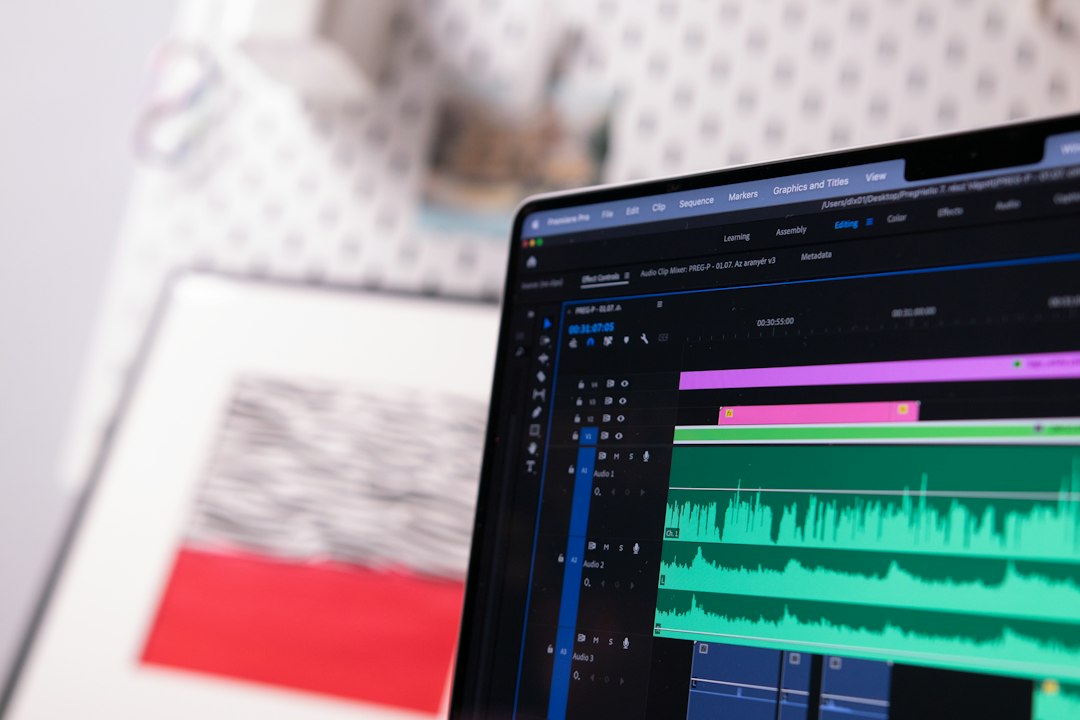
Explore five indispensable sound effects, from the satisfying click of a keyboard to the iconic Monster Hunter notification, that elevate production value and engage audiences across all digital platforms.
In the competitive landscape of digital content creation, high-quality sound effects are more than just background noise – they are critical tools for enhancing immersion, conveying information, and adding a professional polish. From the subtle cues that mimic real-world interactions to the instantly recognizable alerts that grab attention, strategic sound design can significantly boost engagement. This article delves into five essential sound effects every digital creator should have in their arsenal, offering practical advice on how to integrate them seamlessly into your videos, streams, and social media posts for maximum impact.
About this sound
This is a general computer keyboard typing sound effect rather than a quote tied to one famous character or scene. Sounds like this became widely used across video editing, livestreams and meme clips because they instantly communicate computer activity with no explanation needed. Editors often drop typing audio into office skits, hacker parodies, tutorial intros and reaction videos to make a screen recording or desk shot feel more active. Its staying power comes from being universal, easy to recognize and useful in almost any modern digital setting, much like a good mouse click sound or a notification chime.
The Keyboard Typing Sound Effect is a rapid burst of key presses that immediately signals activity at a computer. This clean, recognizable audio cue is invaluable for digital creators looking to convey writing, coding, intense searching, or rapid-fire chatting. Its busy, focused rhythm adds a dynamic layer to static visuals, making office scenes, fake hacking jokes, or deadline pressure feel more urgent and engaging. By integrating this familiar sound, creators can enhance realism and add a subtle narrative element to their content without distracting from the main message, making it a staple for any tech-related or productivity-themed video.
- Adding urgency to a work deadline meme.
- Underscoring fake hacking or coding jokes.
- Matching fast on-screen texting or captions.
- Filling quiet office or desk scene edits.
A: It is a short audio clip of rapid computer keyboard key presses. People use it to represent typing, working, coding, searching or messaging in videos, streams, memes and skits.
A: Creators usually place it under laptop shots, office scenes, fake chat overlays, search bar animations or hacker jokes. It helps quiet visuals feel active and instantly tells viewers that someone is typing. This is a common UI sound effect.
A: Cut the clip to the rhythm of the hands or the appearance of text on screen. It works best in short bursts, especially before a reveal, during a frantic montage or under captions that imply rapid thinking.
About this sound
This sound is commonly used online as a quick shorthand for cash, profit and successful transactions rather than for a specific character or quote. Short money cues like the cash register effect became popular across meme edits, gaming clips and social posts because they communicate value immediately without needing context. Its staying power comes from how recognizable the sound is: one brief hit can sell the idea of payment, reward, markup or financial success in under two seconds. It's often paired with other success sounds like a ding sound or a win sound.
The Cash Register Sound Effect is a brief, satisfying audio cue that instantly signifies money, profit, or a successful transaction. This familiar sound, with its sharp and rewarding feel, is a go-to for digital creators looking to punctuate moments of financial gain, smart business moves, or unexpected windfalls. Whether highlighting a sales total in a product video, adding a comedic punch to a joke about getting paid, or revealing an expensive item, this sound effect provides immediate, universally understood feedback. Its conciseness makes it perfect for quick, impactful edits that resonate with an audience's desire for success and reward.
- Highlighting a sales total in a product video.
- Punching up a joke about getting paid.
- Revealing an expensive item or luxury purchase.
- Marking a winning trade or profitable moment.
A: Creators use it to mark moments involving money, profit, pricing or a successful move. It is a fast comedic cue that tells viewers something paid off, sold well or suddenly became valuable.
A: It is used like a classic cash register style effect, with the familiar money and checkout association people recognize right away. That makes it useful for edits about sales, spending, business jokes and reward moments.
A: Most people place it on the exact frame where a number jumps, a product appears, a joke lands about being rich, or a character wins something. The humor comes from pairing a simple visual payoff with an instantly recognizable money cue.
About this sound
This sound is best understood as a general creaking chair sample rather than a quote or character-based meme clip. Short furniture squeaks like this have long been used in video editing, prank audio, and comedic timing because they instantly suggest movement in a quiet room. Creators keep using chair creaks in skits, gaming edits, and reaction videos since the noise is familiar, easy to recognize, and effective at turning a normal pause into an awkward or suspicious moment. It's a subtle yet powerful tool, similar to a door creak or a floorboard squeak for building atmosphere.
The Creaking Chair Sound Effect is a brief, strained squeak that instantly adds a layer of awkwardness, tension, or subtle realism to a scene. This sound is perfect for digital creators looking to punctuate quiet moments, emphasize a character's fidgeting, or build suspense in comedic or horror-tinged content. Whether a slow turn, a hesitant sit, or a nervous shift of weight, the creaking chair provides an immediate, recognizable cue that something is amiss or simply uncomfortable. Its simplicity and familiarity make it a versatile tool for enhancing narrative and emotional impact without relying on dialogue.
- Adding awkward tension to a silent reaction clip.
- Punctuating someone slowly sitting down on camera.
- Making a sneaky turn or glance feel funnier.
- Layering into horror skits for subtle room realism.
A: It is a short sound effect of a chair squeaking or creaking as someone shifts, sits, or turns. The clip is mainly used to add awkwardness, tension, or a small realistic detail to an edit.
A: Based on the available information, it is best treated as a generic chair creak sample rather than a famous quote or soundtrack moment. Its value comes from the recognizable noise, not from a specific movie, game, or character.
A: Editors usually place it on a sit-down, lean-back, or slow turn in a quiet moment. It is popular in comedy, horror, and reaction clips because a small squeak can make the scene feel instantly more awkward or tense.
About this sound
This sound is known online as a Monster Hunter notification effect and is commonly shared as a short game UI cue. Monster Hunter is a long-running action game series by Capcom, and players often recognize its interface sounds immediately. Short notification clips like this spread through soundboards, gaming edits, and reaction videos because they are clean, fast, and easy to sync with on-screen text. It remains popular for creators who want a recognizable gaming alert without using a longer voice line or dramatic musical sting. It's a classic example of an effective game UI sound.
The Monster Hunter Notification Sound is a brief, polished game-interface cue that instantly signals an alert, loot drop, or quest update. Its sharp, rewarding tone is perfect for digital creators in the gaming niche, allowing them to punctuate visual beats, highlight small in-game wins, or signal important on-screen information with a universally recognized sound. This effect is invaluable for gaming montages, livestream highlights, and meme edits that require a quick, clean notification without the need for lengthy dialogue. It enhances viewer engagement by leveraging the familiar satisfaction associated with in-game achievements and alerts.
- Highlighting a loot drop in a gaming montage.
- Marking a pop-up message in a meme edit.
- Punctuating a small win during livestream highlights.
- Adding game UI flavor to inventory or quest jokes.
A: It is a very short alert-style sound associated with Monster Hunter, similar to the kind of interface cue used for messages, menus, or progress updates. People use it in edits when they want a quick, clean gaming notification effect.
A: The sound is identified with the Monster Hunter game series. Based on the available information, it is best described as a Monster Hunter notification-style UI effect rather than tying it to one exact title or scene without clearer source details.
A: Creators use it because it is short, recognizable, and easy to place on a visual cue. It works well for pop-up text, item reveals, quest jokes, and small success moments where a huge dramatic sound would feel excessive.
About this sound
This clip is mainly known online as a short prank-style meme audio rather than a clearly documented quote from a major film or show. It spread through reposted edits, soundboards, and short-form videos where creators used it as a fake alert to interrupt a scene. Its staying power comes from the very ordinary phrase paired with the unexpected timing. The delivery fits neatly alongside other reaction staples such as bruh and goofy ahh sounds, so it keeps showing up in comedic interruption edits. It's a classic example of a viral prank sound.
The "Aye Bruh Phone Call" meme is a brief, deadpan voice clip that delivers an unexpected interruption, making it a favorite for prank edits and sudden comedic reveals. Digital creators utilize this sound to mimic an embarrassing incoming call, derail a serious moment with goofy humor, or set up a punchline where a character is caught off guard. Its casual delivery, combined with its abrupt timing, creates an instant shift in mood, making ordinary scenes unexpectedly funny or awkward. This sound is a versatile tool for adding a layer of unpredictable humor to any short-form content, ensuring high viewer retention through surprise.
- Interrupting a serious edit with a sudden joke.
- Setting up a fake ringtone prank in skits.
- Cutting to someone getting caught at the worst moment.
- Adding a goofy alert before an awkward reveal.
A: It is a short meme voice clip of someone saying, "aye bruh, you got a phone call." People use it as a comedic interruption in edits, prank videos, and fake ringtone setups where the sudden line becomes the joke.
A: There is no widely verified origin tied to a specific movie, show, or viral creator that can be stated confidently. It is mostly recognized from reposted meme edits and soundboard uploads circulating across short-form video platforms.
A: Creators usually drop it right before an awkward reveal, a character being exposed, or a fake incoming call moment. The humor comes from treating a normal phrase like a dramatic alert and interrupting the scene at exactly the wrong time.