Über diesen Sound

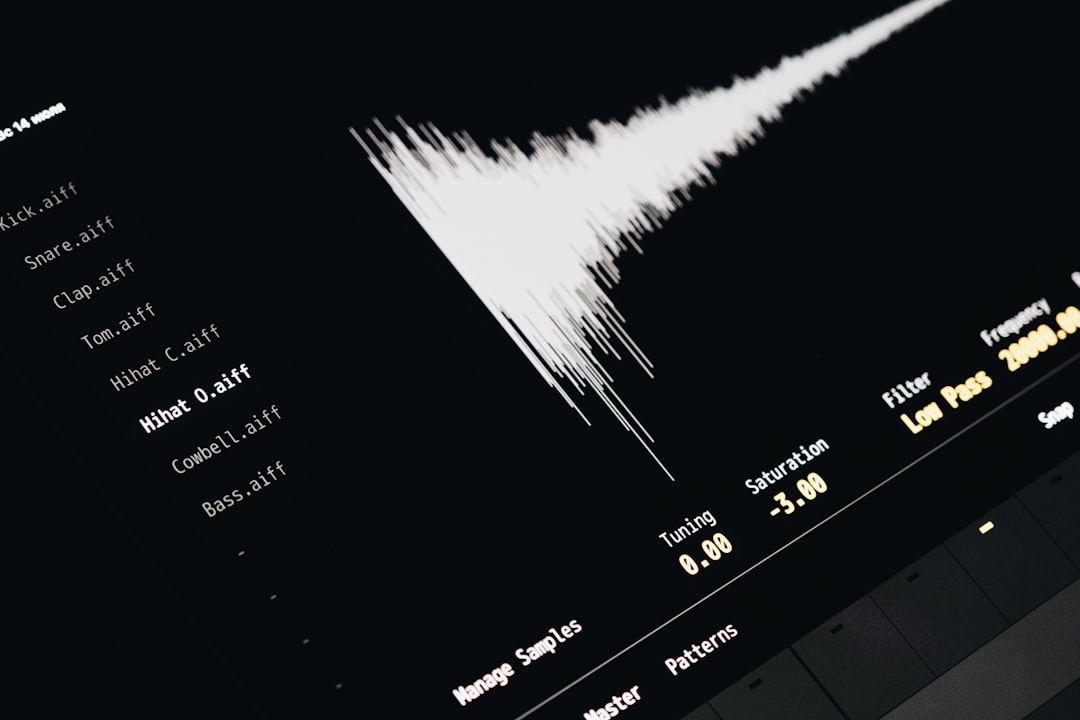
A short burst of TV static noise, the classic hiss used for glitch cuts, no-signal jokes, and abrupt transitions in memes, edits, and videos.

This clip is a brief blast of television static: a harsh, fuzzy burst of white noise that instantly suggests a broken signal, channel loss, or an old CRT screen with no reception. Even at just over a second long, it creates a sharp interruption that feels chaotic and slightly jarring. Creators use it to make a moment seem corrupted, censored, or suddenly cut off. Because the sound is so familiar, viewers immediately read it as a visual and audio reset, which makes it useful for punchlines, glitches, and dramatic hard stops.

TV static is a long-standing audio shorthand for lost broadcast signal and analog television noise, especially associated with older CRT sets. Online, short static bursts became a common editing sound in meme videos, gaming montages, and reaction clips because they instantly communicate interruption or malfunction. It is still widely used because the sound is universally recognizable and works across formats, from horror fake-outs to joke cuts. In soundboard culture, it sits near other quick interruption cues like an error sound or the censor beep.

Profi-Tipp zur Verwendung

Place this static hit right on a smash cut or frame glitch, then pair it with a brief zoom, scanline overlay, or color distortion. Keep it short and avoid looping it too long, or the joke starts feeling like dead air instead of a clean interruption.

Anwendungsfälle

  • Cutting to a fake no-signal screen mid joke.
  • Adding a glitch break between two chaotic clips.
  • Censoring a reaction for comedic abruptness.
  • Ending a cursed edit with a corrupted feel.

Häufig gestellte Fragen

What is the TV static sound effect?
It is a short burst of white-noise-like hiss modeled after analog television static. People recognize it as the sound of a broken signal, no channel reception, or a sudden broadcast interruption.
Where is this sound usually used?
Creators drop it into memes, commentary edits, reaction videos, and gaming clips to mark a hard cut, visual glitch, or fake technical failure. It works especially well when a scene suddenly stops or shifts tone.
Why is TV static still popular in memes?
The sound is instantly familiar, even to viewers who never used older televisions. It quickly signals chaos, corruption, or interruption, so editors can sell a joke or transition in less than two seconds.

Am beliebtesten

Alle anzeigen